

When the world went quiet in 2020, a generation of infants entered life amid muted faces and limited social contact. For many of these so-called “pandemic babies,” the first sounds and words arrived slower than expected. As families and researchers begin to look closer at this cohort turning two, an intriguing pattern emerges: while verbal and social communication seem delayed, motor skills and emotional awareness remain strikingly intact.
Pediatricians across global hospitals have noted that toddlers born during lockdowns often score lower on expressive language milestones — things like responding with words, forming short phrases, or recognizing familiar voices. Screens replaced faces, and masks altered mouth movements that babies instinctively mimic. Yet in parallel, developmental studies reveal resilience in other dimensions: coordination, play-based cognition, and even self-comforting behaviors continue to flourish.
For many parents, the discrepancy offers both reassurance and curiosity. What does it mean for the generation that entered the world at a whisper?
The Missing Voices of Early Childhood
Language begins as imitation — lips moving with sounds, eyes following expressions. Pandemic-born children witnessed fewer of these cues, as daycares closed and video calls replaced family visits. Dr. Serena Fielding, a developmental pediatric researcher in London, described the shift as “an experiment nobody signed up for.”
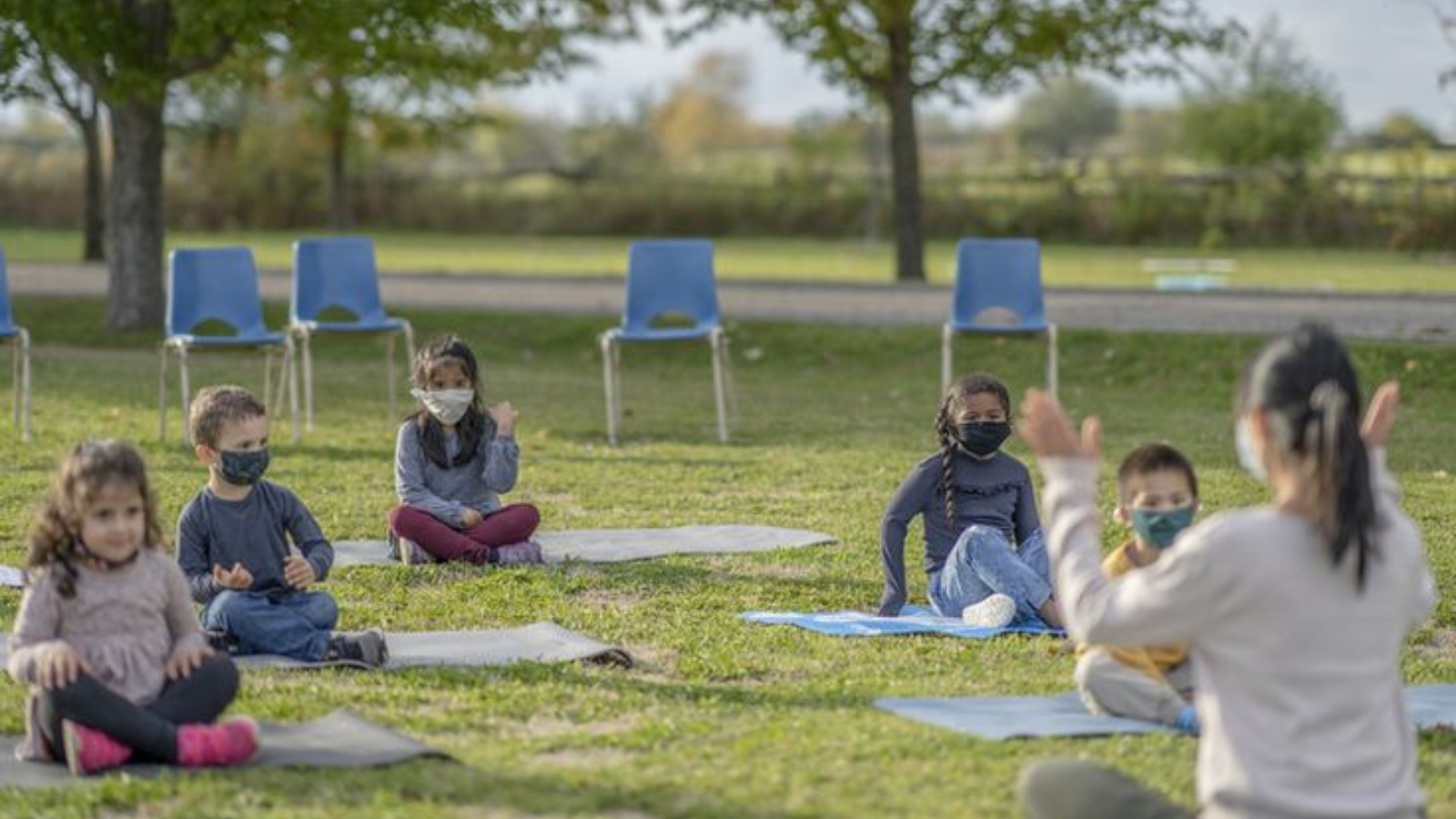
Children rely heavily on direct interaction to map tone and emotion. But isolation fragmented that feedback loop. A parent speaking through a mask hides half the message, and infants deprived of peer play lose chances to turn babble into dialogue. Despite this, Fielding’s data shows no clear evidence of long-term harm; rather, delays in speech seem “environmental and transitional,” likely fading with exposure.
Parents have begun noticing an upward curve since 2023. As playgrounds reopened and preschools resumed normal rhythm, speech therapies filled appointments, and toddlers who were once silent now string together words at astonishing pace. The recovery paints a hopeful picture — not one of permanent deficiency, but temporary adaptation.
Emotional Intelligence Finds Its Voice
Interestingly, while verbal communication temporarily lagged, emotional development thrived in unexpected ways. Studies suggest pandemic babies exhibit heightened sensitivity to parental cues and strong attachment patterns. Constant proximity, though limiting external interaction, strengthened the infant-parent bond.
Psychologist Andrea Martinez of the University of California calls this “deep attunement.” She explains that many pandemic-era toddlers grew adept at reading subtle emotional signals — a raised eyebrow, a change in tone — compensating for fewer verbal exchanges. In essence, silence became a classroom.
These toddlers learned empathy through observation rather than conversation, transforming a restrictive environment into an emotional learning hub. Martinez points out that this adaptability could make them more psychologically resilient later in life, capable of interpreting non-verbal dynamics with greater precision than their pre-pandemic peers.
What Lies Ahead for the “Lockdown Generation”
Today, researchers are shifting focus from what these children missed to how they’re adapting. As preschools fill with chatter, many speech delays are quick to resolve, proving that development rarely follows a straight path. Early intervention, consistent routines, and exposure to peers are helping close the verbal gap.
In communities where access to communication support exists, progress is tangible: toddlers once behind are catching up rapidly. However, the challenge remains for families who endured prolonged isolation without resources. UNICEF reports increasing demand for child development programs across Asia and Africa, ensuring that socio-economic diversity doesn’t translate into linguistic inequity.
The story of pandemic babies is not one of deficit but difference. It reminds us that human development bends, not breaks, under pressure. Each generation carries the marks of its time — for these children, it’s the quiet that shaped how they now learn to speak.