

The fragile calm in the Gulf’s shipping lanes cracked again this week. After attacks on two tankers near the Strait of Hormuz, maritime authorities raised the threat level for vessels crossing the waterway to “severe,” and oil prices climbed as traders reassessed just how solid the recent truce between Washington and Tehran really is.
Brent crude settled about 3 percent higher at $74.16 a barrel, with U.S. West Texas Intermediate up 2.8 percent at $70.44. In after-hours trading the move was sharper still, with Brent pushing toward $76 after the White House revoked a license that had allowed Iran to sell its oil. For a region whose economies run on energy exports, those numbers are not abstract.
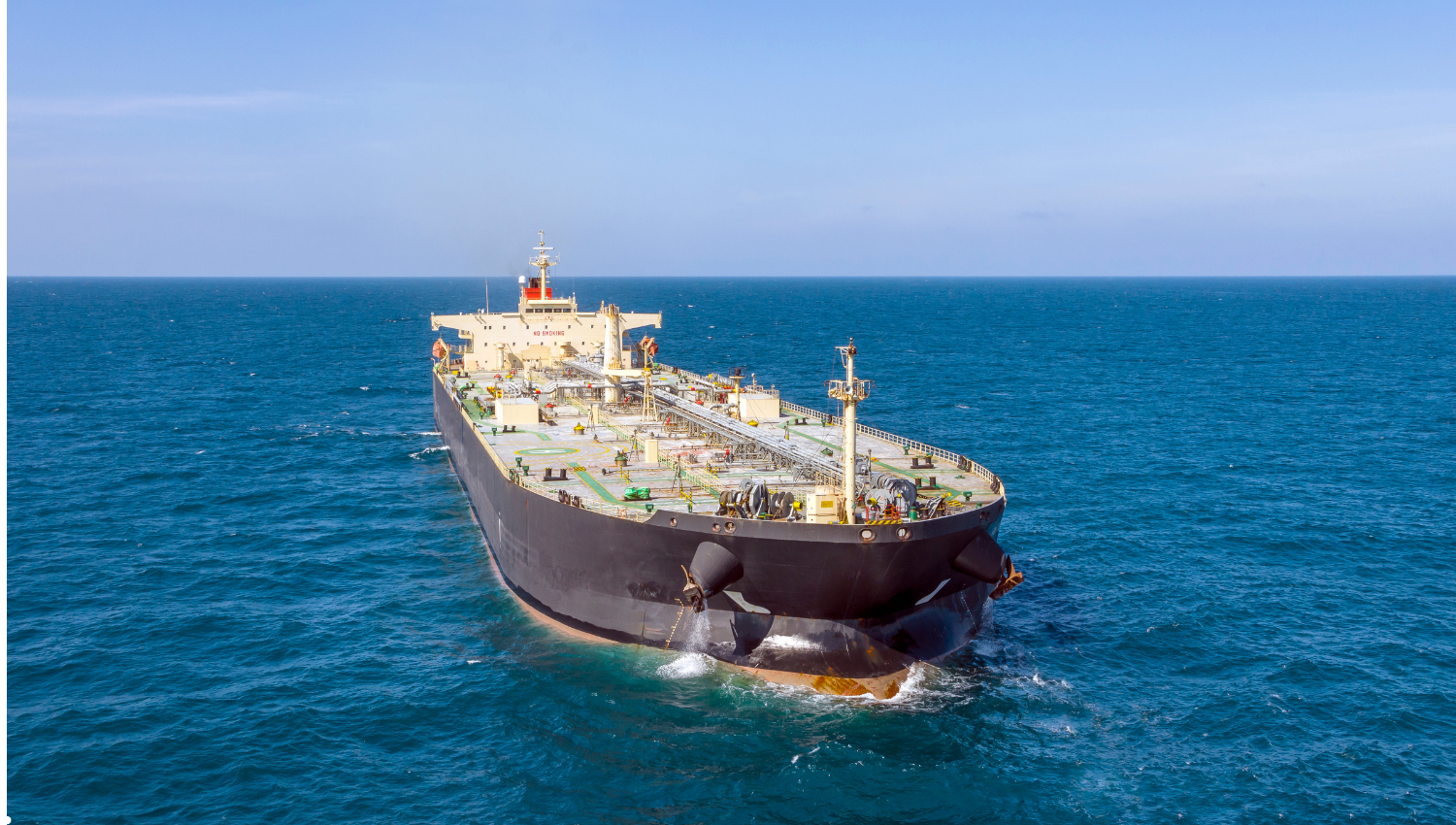
The immediate trigger was a pair of strikes on Tuesday. A Qatari liquefied natural gas tanker, the Al-Rekayyat, was hit on its port side and, according to people briefed on the matter, was at risk of exploding after a fire broke out in its engine room. A Saudi-flagged supertanker, the Wedyan, owned by the shipping firm Bahri, was damaged off the coast of Oman. Saudi Arabia’s Foreign Ministry condemned the attacks and said it held Iran responsible for the damage.
The Strait of Hormuz is not just another shipping route. In normal times, roughly a fifth of the world’s oil and liquefied natural gas passes through it. That makes it one of the most consequential stretches of water on earth, and any sign of trouble there ripples outward within hours, from insurance desks in London to fuel pumps far from the Gulf.
Traffic tells the story of how nervous the market has become. About 16 vessels moved through the strait on Tuesday, the lowest count in nearly three weeks, according to ship-tracking data from Kpler. Even after passage reopened in late June, volumes have stayed well below normal, running somewhere between a third and a fifth of pre-war levels. The U.S. Navy-led Joint Maritime Information Center lifted its threat assessment to “severe” from “substantial,” the first time it has done so since mid-June, warning mariners to expect continued naval presence and more aggressive hailing from Iran’s Revolutionary Guard.
Analysts read the week as a warning against complacency. “Iran’s attacks on three vessels since yesterday and the revocation of the Treasury waiver on Iranian oil sales signal that the ceasefire is not as solid and durable as the oil market has chosen to assume,” said Bob McNally, president of Rapidan Energy Group.
There is history behind the anxiety. The conflict that began in late February triggered the largest disruption to world energy supply since the 1970s. Brent crossed $100 a barrel in early March for the first time in four years and peaked around $126, and global oil output fell by roughly 10 million barrels a day at the worst of it. A memorandum of understanding signed last month was supposed to draw a line under all that. This week suggested the line is not as firm as many had hoped.
For the Gulf’s oil producers, the situation is double-edged. Higher prices lift export revenues in the short term, and refiners can enjoy a temporary windfall. But sustained instability around Hormuz threatens the very shipping routes those revenues depend on, and it raises war-risk insurance premiums to levels that eat into the gains. As one energy strategist has noted, that kind of windfall tends not to last.
For now, the market waits. The U.S. and Iran wrapped up another round of talks last week without a permanent agreement, leaving the region’s most important waterway suspended between open and closed, and the price of oil moving with every headline.