

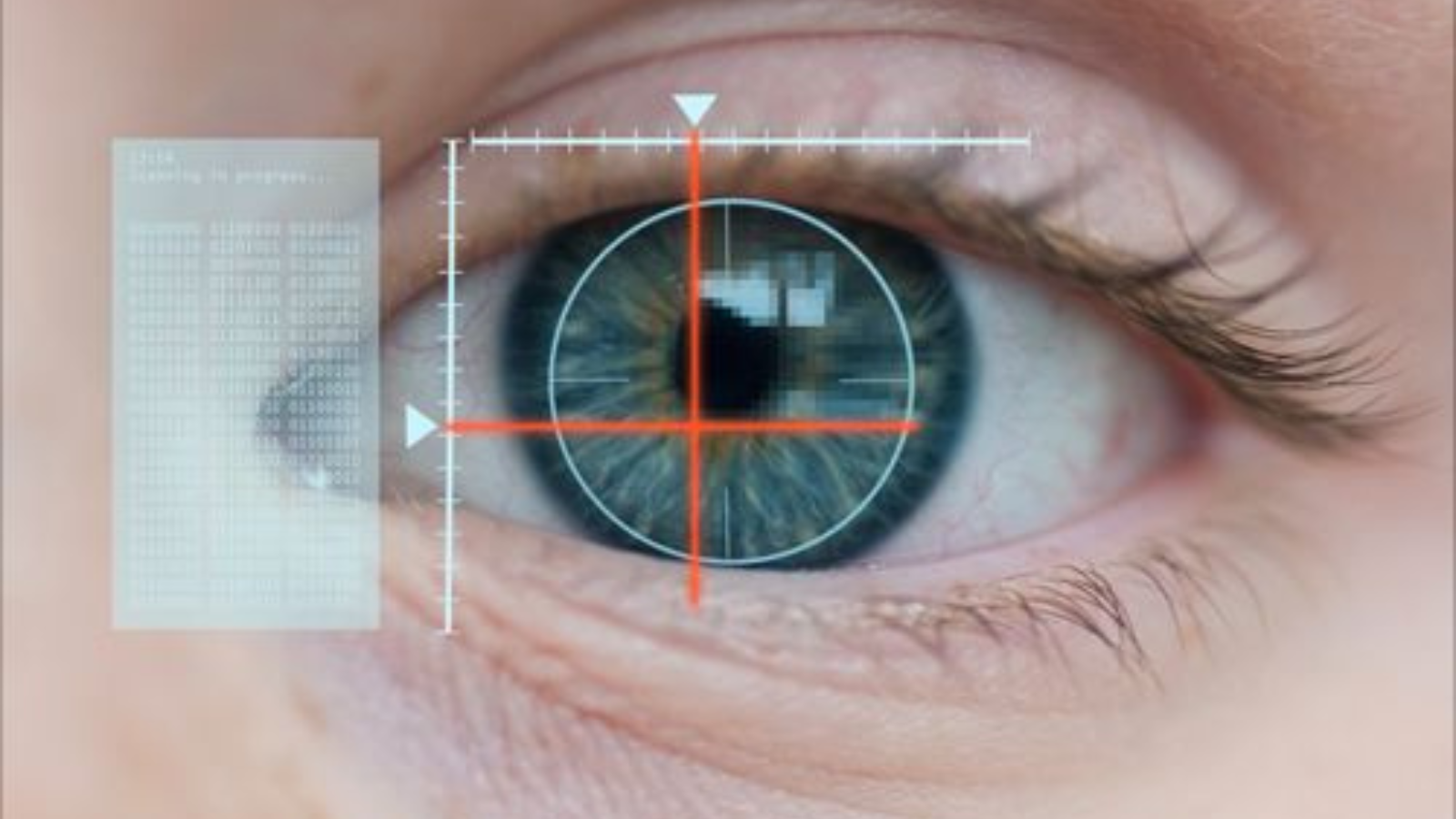

In the ongoing arms race against digital fraud, companies are increasingly turning to behavioural biometrics as a seemingly frictionless solution. Unlike passwords or one-time codes, this technology analyzes how users interact with devices, tracking subtle cues such as typing speed, swipe patterns, and cursor movements. The promise is compelling: authenticate users continuously without interrupting their experience.
For brands, especially those operating in finance, e-commerce, and digital services, this “invisible security” offers a way to reduce fraud without alienating customers. Traditional verification methods often introduce friction that can lead to abandoned transactions or diminished trust. Behavioural biometrics, by contrast, operates quietly in the background, aiming to distinguish legitimate users from bad actors in real time.
Yet as adoption grows, so do questions about how this data is interpreted and applied. While the technology can detect anomalies, it does not inherently understand intent. A legitimate user traveling abroad or switching devices might trigger the same red flags as a fraudster. This ambiguity places pressure on brands to balance security with user experience, a line that is not always easy to walk.
Precision Versus Perception
At its core, behavioural biometrics relies on patterns, not certainties. It builds profiles based on historical interactions and flags deviations as potential risks. In theory, this creates a dynamic and adaptive security layer. In practice, however, it introduces a level of subjectivity that can affect decision-making.
False positives remain a significant concern. When legitimate users are mistakenly flagged, the consequences extend beyond inconvenience. Customers may perceive the brand as unreliable or intrusive, especially if additional verification steps feel excessive or opaque. Over time, this can erode trust, particularly in sectors where seamless access is expected.
On the other hand, over-reliance on behavioural signals can lead to a false sense of security. Fraudsters are becoming increasingly sophisticated, capable of mimicking user behavior or exploiting gaps in detection models. If brands treat behavioural biometrics as a standalone solution rather than part of a broader security framework, they risk overlooking emerging threats that fall outside established patterns.
Data, Ethics, And Brand Responsibility
The use of behavioural data introduces complex ethical considerations that extend beyond technical performance. Unlike traditional authentication factors, behavioural biometrics operates largely without explicit user awareness. This raises questions about consent, transparency, and data governance.
For brands, the challenge is not only to implement the technology effectively but also to communicate its use in a way that aligns with evolving privacy expectations. Consumers are becoming more conscious of how their data is collected and used. A lack of clarity can quickly lead to skepticism, particularly in regions with strict data protection regulations.
There is also the issue of bias embedded within behavioural models. If datasets are not sufficiently diverse, the system may misinterpret or unfairly flag certain user groups. This can create unintended disparities in access or treatment, which, in turn, can damage a brand’s reputation. Addressing these concerns requires ongoing monitoring, auditing, and refinement of the technology, as well as a commitment to ethical design principles.
Finding The Balance Between Security And Experience
As behavioural biometrics continues to evolve, its role in fraud prevention is likely to expand rather than diminish. However, its effectiveness will depend on how thoughtfully it is integrated into broader security strategies. Brands that succeed will be those that treat it as one layer among many, combining it with traditional methods and contextual intelligence.
Equally important is the need to maintain a human-centric approach. Security measures should not come at the expense of user trust or accessibility. Clear communication, adaptive thresholds, and responsive support systems can help mitigate the risks associated with false positives and ensure that legitimate users are not penalized.
Ultimately, behavioural biometrics does not offer a definitive solution to fraud, nor does it inevitably blur a brand’s vision. It sits somewhere in between, a powerful tool that can enhance security when used judiciously, but one that requires careful oversight. For brands navigating an increasingly complex digital landscape, the question is not whether to adopt such technologies, but how to do so without losing sight of the customer experience they are meant to protect.