
Genel Energy is paying $360 million in cash for Capricorn Energy, a deal that gets the Kurdistan-focused oil producer into Egypt for the first time and finally spreads its production risk beyond one increasingly volatile region.
The terms
Genel will pay $4.74 per Capricorn share, split between $3.75 in cash and a $0.99 special dividend, funded from Genel’s own cash plus new debt. That works out to roughly a one-third premium over Capricorn’s closing price on March 10, the day before a rival suitor’s interest became public.
The market liked it. Capricorn shares jumped as much as 22% on the announcement, their highest level since 2012. Genel stock rose 9% to 57 pence, which is unusual. Acquirers’ shares typically fall on deal news, so investors clearly think Genel is solving a real problem here.
Capricorn’s board is unanimously behind the offer, calling it superior to the alternatives, and shareholders holding just over 39% of the company, including activist Palliser Capital, have already committed to vote for it. The alternatives include repeated approaches from Cafani Group, a privately held Jeddah-based Saudi firm bidding through a subsidiary. Cafani has been circling since March and has had its put-up-or-shut-up deadline extended four times, most recently to July 29, each time citing progress on funding. So this isn’t fully done. Cafani could still come back with a bigger number, though those shareholder commitments only fall away if a rival bid lands meaningfully higher.
Why Genel wants out
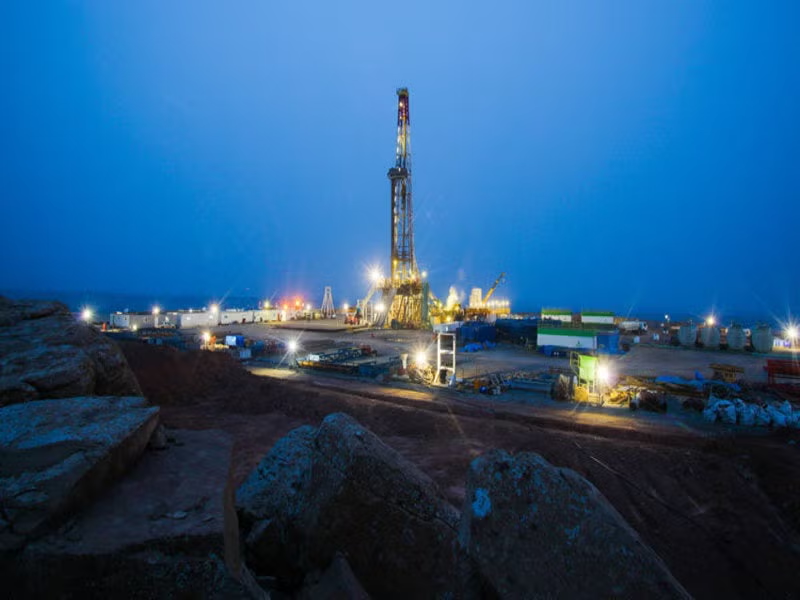
Genel’s core production is a 25% non-operated stake in the Tawke field in Iraqi Kurdistan, held alongside Norway’s DNO. The problem isn’t the field, it’s everything around it. The Iraq-Türkiye export pipeline sat closed for two and a half years from March 2023 after an arbitration ruling, forcing Genel to sell crude locally at heavy discounts. Its realised price last year was about $32 a barrel against Brent near $80. Then drone attacks hit Tawke in July 2025, and this year the Iran war forced another voluntary shutdown on safety grounds. Investors have grown understandably nervous about a production base that keeps getting switched off.
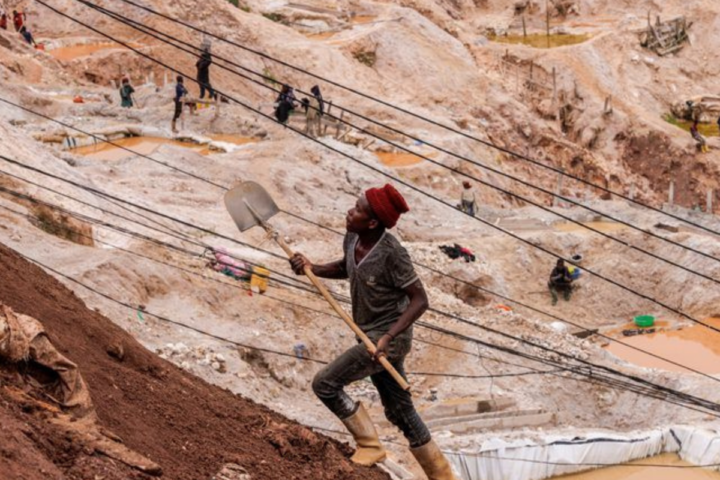
Capricorn’s assets in Egypt’s Western Desert are the opposite bet. The company, formerly Cairn Energy, bought them from Shell in 2021 alongside operator Cheiron, and they now produce around 20,000 barrels of oil equivalent a day at oil prices more than double what Genel gets in Kurdistan. Egypt’s main historical drawback, the state oil company’s habit of paying foreign producers late, has faded: Cairo cleared the last of its arrears in June after the backlog peaked at $6.1 billion in 2024, and it recently approved improved fiscal terms on Capricorn’s consolidated concession.
Post-deal, Genel becomes a bigger, more balanced producer with output split roughly evenly between Egypt and Iraqi Kurdistan.
What’s next
Completion is expected in the second half of 2026, with consent from Egypt’s state petroleum company EGPC the main condition. Genel says the enlarged group is positioned to buy more, in Egypt and across the wider MENA region. Read that as: this is the first deal, not the last. The other thing to watch is July 29, when Cafani either bids or walks.