
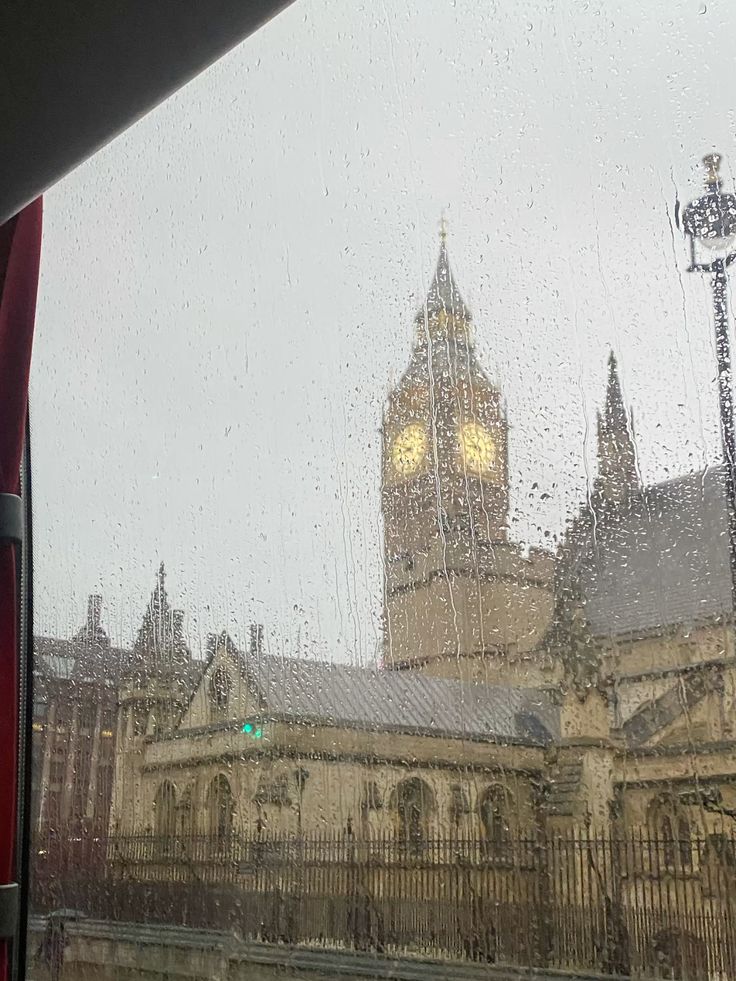

As Storm Goretti edges closer to the British Isles, London finds itself in a familiar but uneasy position, caught between routine drizzle and the possibility of disruption. Forecast models have grown increasingly attentive to the system’s trajectory, with meteorologists tracking its development across the Atlantic and into Western Europe. While storms are hardly unusual for the UK, the tone surrounding Goretti suggests a system worth watching more closely.
In recent days, the UK Met Office has issued advisories that stop short of alarm but signal caution. Londoners, accustomed to changeable skies, are now tuning into updates with renewed interest. Commuters, event planners, and local authorities are all quietly recalibrating plans, mindful of how quickly conditions can shift when Atlantic systems intensify.
The uncertainty lies not just in the storm’s strength, but in its timing. A slight change in direction or speed could mean the difference between a blustery inconvenience and a day of widespread disruption. That ambiguity is shaping how the city prepares, with officials opting for vigilance rather than urgency.
Weather Warnings and What They Mean
At present, weather alerts tied to Storm Goretti remain measured, reflecting the unpredictability that often defines early-stage forecasts. Yellow warnings, which signal the potential for disruption, have been discussed in meteorological briefings, particularly in relation to wind and heavy rainfall. These alerts do not guarantee severe impact, but they serve as a reminder that conditions may deteriorate quickly.
For London, the concern is less about extreme danger and more about cumulative effects. Heavy rain can strain drainage systems, while gusty winds may disrupt transport networks and outdoor activities. The city’s infrastructure is resilient, yet even minor disruptions can ripple across daily life, especially during peak travel hours.
Officials are also emphasizing preparedness without prompting alarm. Public messaging has focused on staying informed and planning ahead, particularly for those traveling or attending large gatherings. It is a careful balance, ensuring awareness without overstating the risk, a hallmark of modern weather communication.
The Capital’s Quiet Preparedness
Behind the scenes, London’s systems are already adjusting. Transport authorities are reviewing contingency plans, while local councils are monitoring flood-prone areas and drainage capacity. These measures are not new but reflect a well-rehearsed response to potential weather events that could affect millions.
Businesses, too, are adapting in subtle ways. Hospitality venues are reconsidering outdoor bookings, while logistics operators are factoring in potential delays. For a city that thrives on constant motion, even a slight slowdown can have noticeable effects, particularly in sectors reliant on precise timing.
Residents, meanwhile, are engaging in their own form of preparation. Checking forecasts has become part of the daily routine, with many opting to carry umbrellas or adjust travel schedules. It is less about fear and more about practicality, a recognition that London’s rhythm often bends to the weather’s whims.
A Familiar Pattern in a Changing Climate
Storm Goretti also arrives within a broader context of evolving weather patterns. In recent years, the UK has experienced a series of storms that blur the line between seasonal norms and unusual extremes. While no single system can define a trend, each event contributes to a growing awareness of climate variability.
Meteorologists are increasingly cautious in how they frame such storms, avoiding definitive statements while acknowledging shifting baselines. Warmer seas and altered atmospheric conditions can influence storm behavior, sometimes amplifying rainfall or altering wind patterns. For cities like London, this means preparing not just for individual events, but for a future where such uncertainties may become more frequent.
For now, Goretti remains a developing story rather than a defined threat. London is watching, waiting, and preparing in equal measure. The coming days will determine whether the storm passes as a routine disturbance or leaves a more lasting impression on the capital’s ever-adaptable landscape.