

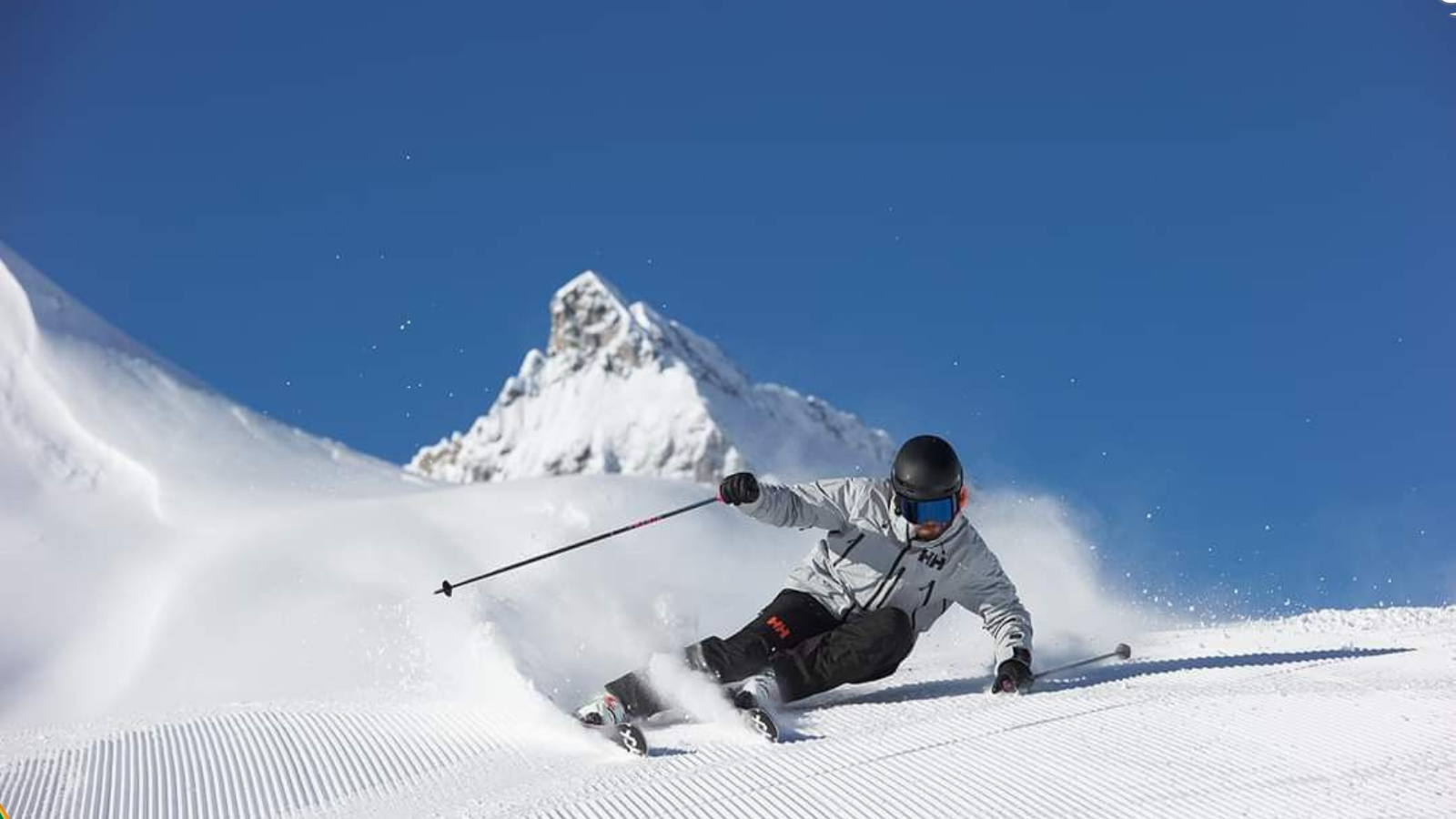

The French Alps are often painted as a winter idyll, where crisp air and pristine snow draw thousands of skiers each season. In La Plagne, one of the region’s most popular resorts, that image was abruptly shattered when an avalanche claimed the life of a British skier. What began as a routine day on the slopes quickly turned into a scene of urgency and loss, underscoring the unpredictable nature of alpine environments.
Witnesses described the moment as disorienting. The mountains, which had appeared calm and inviting, gave little warning before the snowpack gave way. Within seconds, the skier was caught in the moving mass, leaving fellow visitors and responders with little time to react. Emergency teams were dispatched swiftly, but the scale and speed of the avalanche complicated rescue efforts.
Authorities later confirmed that the victim was part of a group navigating the terrain when the incident occurred. While La Plagne is known for its well-maintained pistes, areas just beyond marked trails can carry heightened risks, particularly after recent snowfall or shifting weather conditions.
The Hidden Dangers Beneath the Snow
Avalanches remain one of the most serious hazards in alpine regions, even for experienced skiers. Experts point out that a stable-looking slope can conceal layers of weak snow beneath the surface, creating the conditions for a sudden collapse. In this case, preliminary assessments suggest that recent weather patterns may have contributed to instability in the snowpack.
Mountain safety professionals emphasize that off-piste skiing, while offering freedom and untouched terrain, demands careful planning and awareness. Equipment such as avalanche transceivers, probes, and airbags can improve survival chances, but they are not guarantees. Training and local knowledge often make the critical difference when conditions shift unexpectedly.
The incident in La Plagne has renewed conversations around safety practices and risk perception. Many visitors underestimate how quickly conditions can change in mountainous areas. Even seasoned skiers can find themselves vulnerable when environmental factors align in unpredictable ways.
A Community Responds
In the aftermath of the tragedy, local authorities and resort operators moved to reassess conditions and communicate risks to visitors. Patrol teams conducted additional evaluations of nearby slopes, while signage and advisories were reinforced to discourage entry into high-risk zones. The goal was not only to prevent further incidents but also to reassure a shaken community.
For those present at the resort, the emotional impact was immediate. Fellow skiers, many of whom had chosen La Plagne for its reputation as a safe and accessible destination, found themselves grappling with the reality that even well-regarded resorts are not immune to natural hazards. Conversations in lodges and lift lines shifted from holiday plans to safety awareness and shared concern.
British officials also worked with French authorities to coordinate support and communication with the victim’s family. Such incidents often extend beyond the immediate location, affecting international communities and highlighting the global nature of alpine tourism.
Lessons from the Mountain
While investigations into the exact circumstances continue, the broader lessons are already being discussed across the skiing community. The importance of checking avalanche forecasts, adhering to marked trails, and seeking guidance from local experts cannot be overstated. These measures, while sometimes overlooked, are essential in minimizing exposure to risk.
The tragedy also serves as a reminder of the delicate balance between adventure and caution. The Alps offer unparalleled beauty and exhilaration, but they also demand respect. Each season brings new conditions, and with them, new challenges for both visitors and professionals tasked with maintaining safety.
As La Plagne returns to its rhythm of winter activity, the incident leaves a lasting imprint. It is a sobering moment that underscores the power of nature and the responsibility shared by all who venture into it. For many, it will shape how they approach the slopes, not with fear, but with a deeper awareness of the environment that surrounds them.