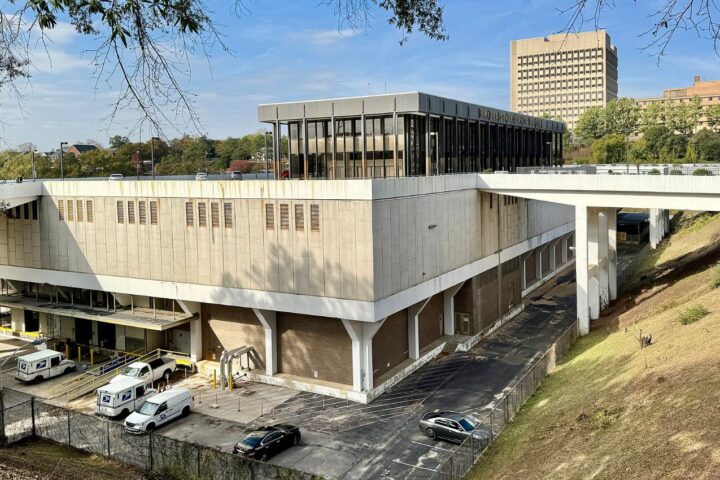


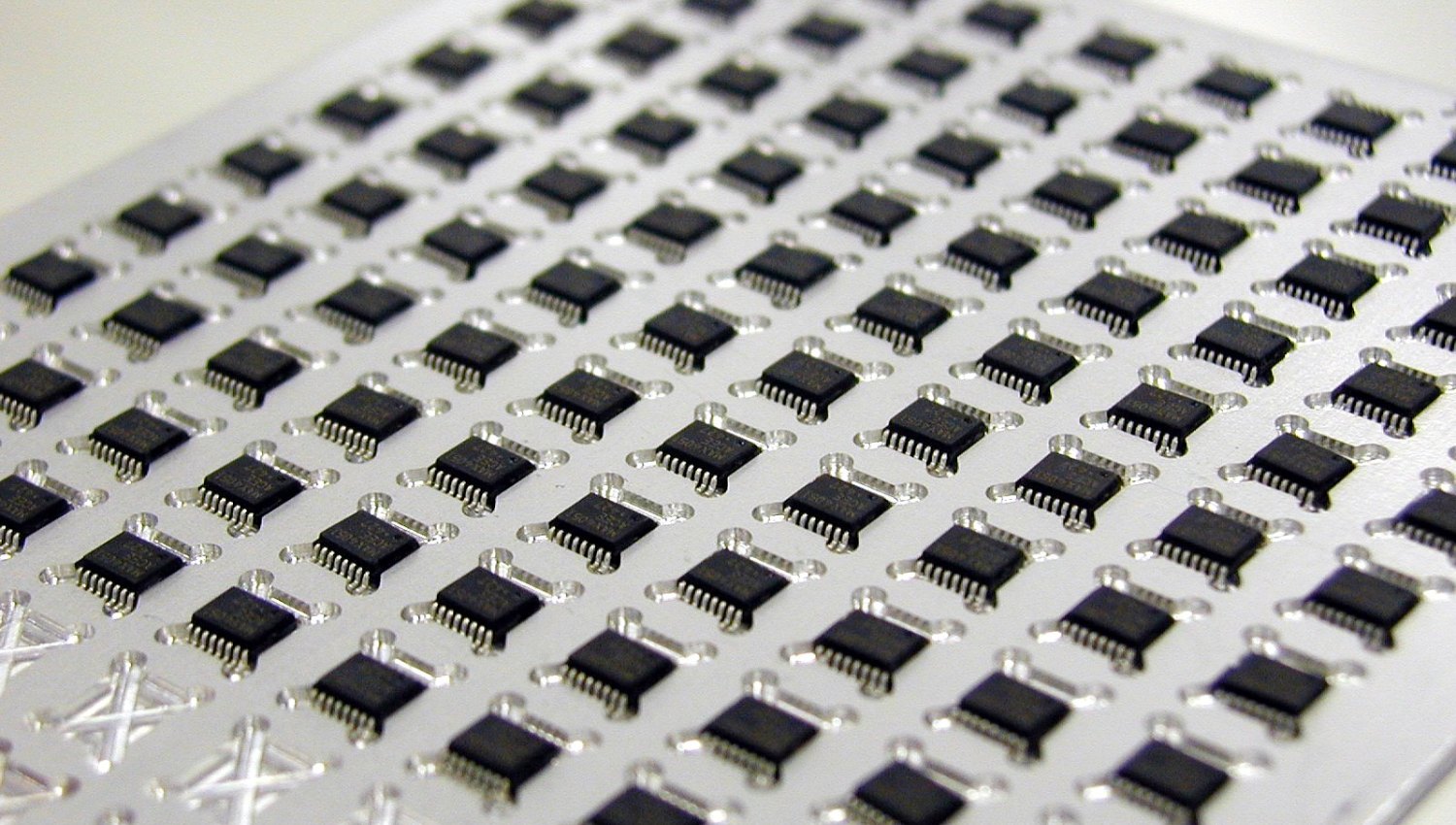
The most important buildings in the Gulf’s technology push are also among the least glamorous. Data centres, the vast, humming facilities that store and process the region’s digital life, have quietly become strategic infrastructure, as central to economic ambition as ports and airports once were.
The logic is straightforward. Artificial intelligence and cloud computing, the technologies the Gulf has staked its future on, are useless without the physical capacity to run them. Every AI model and every cloud service depends on racks of servers somewhere, and the region has decided that somewhere should increasingly be within its own borders.
Building that capacity locally is about more than convenience. It is a question of sovereignty over data, of keeping sensitive information within national jurisdiction rather than routed through distant servers. For governments intent on controlling their digital destiny, owning the infrastructure is as important as using it.
The build-out is not without cost. Data centres consume enormous amounts of power and water, resources the Gulf must manage carefully, and the race to expand capacity has raised hard questions about sustainability. Still, the direction is set. The region has concluded that digital infrastructure is national infrastructure, and the concrete-and-silicon evidence of that conviction is rising across the desert.