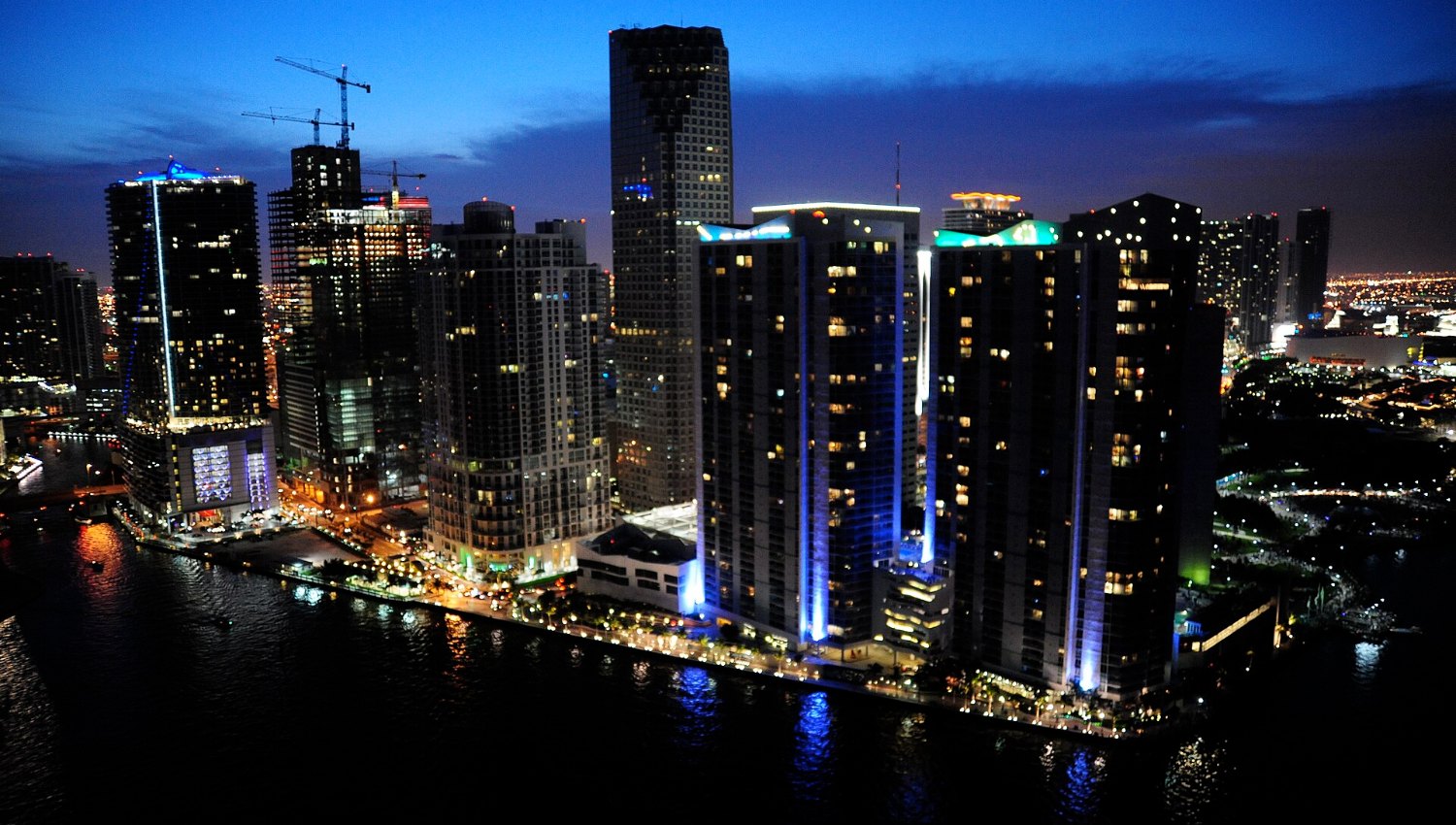
Property markets from London to Dubai have a common thread running through their most significant recent deals: Gulf capital. The region’s investors, both sovereign and private, have made real estate a cornerstone of their global strategy, and the scale of that appetite is reshaping how major markets behave.
The attraction is easy to understand. Real estate offers the tangible, long-horizon returns that Gulf investors favour, assets that hold value across cycles and generate steady income. In an era of financial uncertainty, bricks and mortar in prime locations have proved a reliable home for capital that is looking to be deployed for decades rather than years.
The pattern is visible on both sides of the trade. Gulf funds have snapped up trophy assets in the world’s leading cities, while their own domestic markets, Dubai chief among them, have drawn sovereign and institutional money from across the region and beyond. The flow runs in both directions, binding the Gulf ever more tightly into global property markets.
The consequences extend beyond individual buildings. When capital of this scale concentrates on real estate, it can move prices, shift development priorities, and shape the character of entire districts. For a region converting wealth into lasting global influence, property has become one of the clearest expressions of that ambition, visible, permanent, and increasingly hard for any major market to ignore.