

It is hard to overstate how fast artificial intelligence is expanding. In just a few years, AI has shifted from experimental lab projects to the engine behind search, social feeds, logistics, drug discovery and creative tools. Data centers are rising on the outskirts of cities and along quiet rural highways, promising to turn anonymous buildings into the beating hearts of a new digital economy.
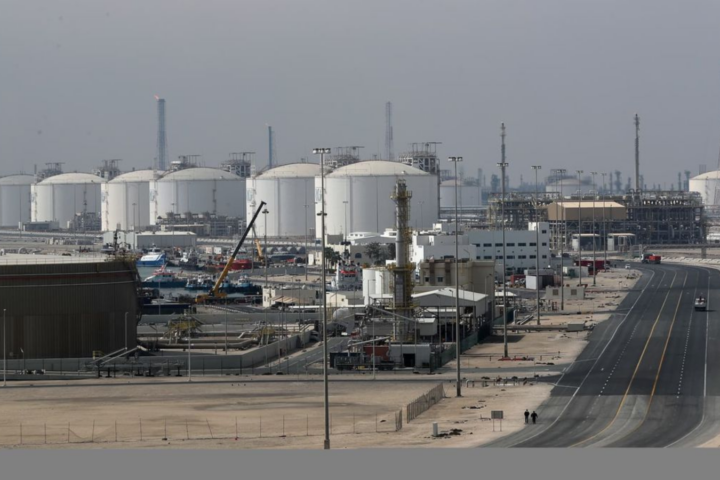
Yet behind this sleek narrative is a less glamorous story: the wires, substations and power plants that keep these systems alive were largely built for another era. Where AI demands constant, high-density electricity, many grids still reflect assumptions from the age of fluorescent office lights and dial‑up internet. The result is a growing tension between what AI can do in theory and what the energy system can realistically deliver.
Executives at utilities and technology companies talk increasingly about “constraint maps” and “interconnection queues.” These phrases describe a simple problem. There are more requests to plug major new loads—data centers, battery farms, cooling systems—into the grid than the infrastructure can quickly absorb. AI’s rapid progress is colliding with the long timelines, regulatory friction and physical limits of the power system.
Data Centers As The Factories Of The Future
Step inside a modern AI data center and it feels closer to advanced manufacturing than traditional computing. Racks of specialized chips run complex models around the clock, consuming vast amounts of electricity and generating heat that must be carefully managed. These facilities do not peak for a few hours a day; they run continuously, with energy demand that can rival a small city.
This shift changes the nature of where economic power sits. In previous generations, big factories anchored industrial regions; today, sprawling server campuses are becoming the new anchor tenants for local economies. Land prices, tax incentives and community debates increasingly revolve around whether an area will host these energy‑hungry facilities. For some towns, securing a major AI build‑out promises jobs and investment. For others, the specter of rising electricity prices and land use conflicts fuels skepticism.
The stakes are not only local. As cloud giants and AI startups race to train larger models, they cluster data centers near major transmission lines and reliable generation sources. That creates competition for capacity with existing industries, households and emerging clean‑energy projects. In effect, AI is turning the grid into a contested space, where decisions about who gets power and at what price carry real political and economic weight.
Climate Goals Under Pressure
At the same time, governments and companies have set ambitious climate targets. They have pledged to cut emissions, add more renewables and phase out fossil fuels over the coming decades. AI’s rise complicates those plans. A sudden jump in electricity demand makes it harder to close high‑emission plants without risking reliability. It also raises tough questions about whether new solar farms, wind projects and battery installations are reducing overall emissions or simply keeping up with the appetite of the tech sector.
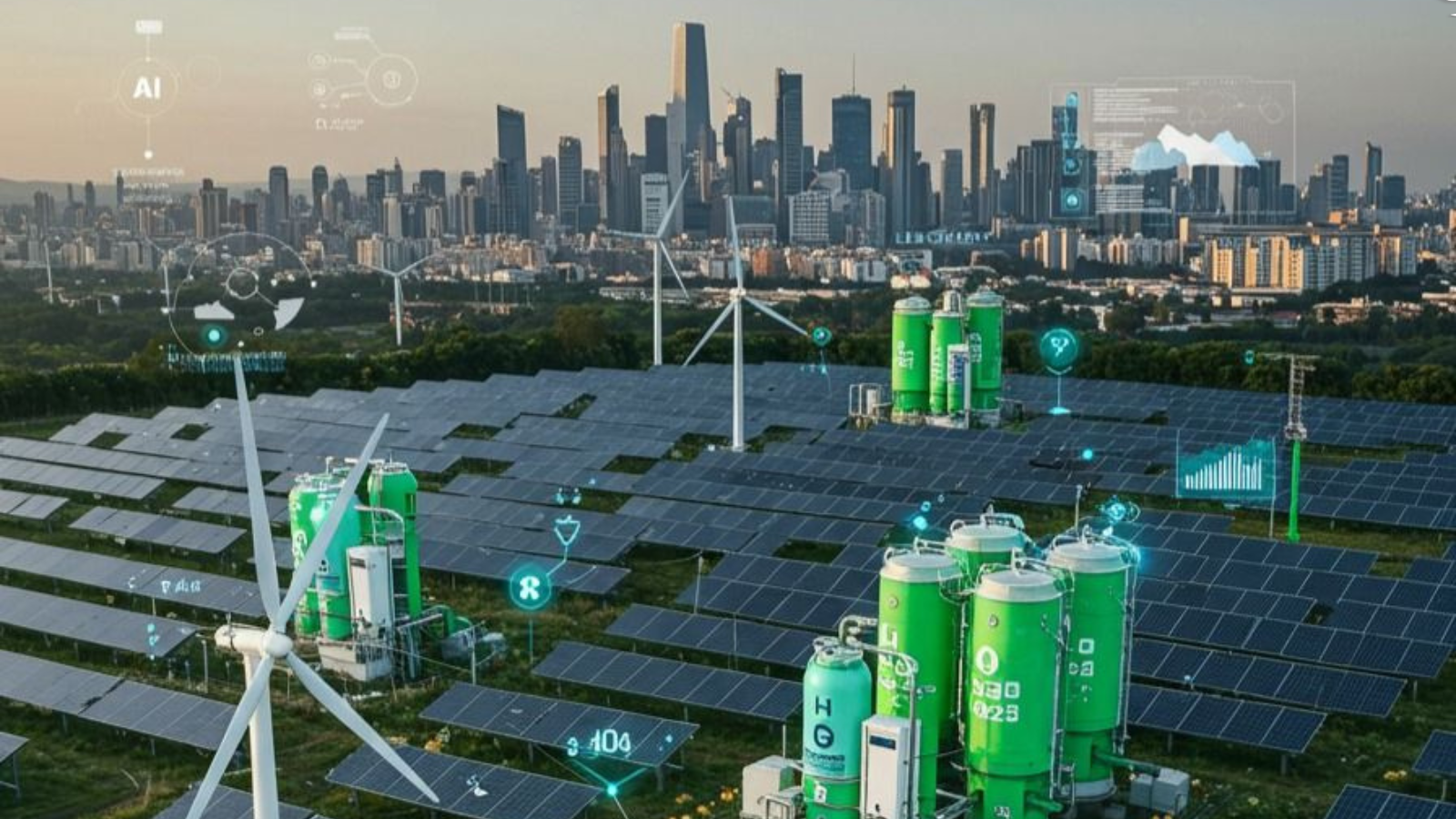
Many technology firms have responded by signing large clean‑energy contracts and backing new wind and solar developments. They frame AI as a tool that will ultimately help optimize grids, forecast energy output and accelerate the design of more efficient systems. In their telling, AI is both a problem to be managed and a solution to be deployed. The narrative is appealing: smarter software helping to clean up the very system it strains.
But even strong corporate commitments and clever algorithms cannot rewrite physics or policy timelines. Building transmission lines, upgrading substations and permitting large renewable projects often takes years, sometimes more than a decade. AI investments, by contrast, can appear and scale in a fraction of that time. The gap between planning horizons means that, for now, many grid operators are juggling short‑term reliability concerns with longer‑term decarbonization promises, hoping the system can stretch without breaking.
Who Sets The Pace Of Progress?
The deeper question beneath this mismatch is who gets to decide the pace of technological change. AI companies argue that slowing innovation would mean falling behind in a global race that touches everything from economic competitiveness to national security. Energy experts counter that ignoring infrastructure realities risks blackouts, spiraling costs and public backlash that could derail both digital and climate agendas.
Policymakers are starting to feel the pressure from both sides. Local officials weigh community concerns over noise, water use and land against the allure of high‑profile tech investment. National regulators face calls to streamline approvals for power lines and generation, even as they are urged to protect consumers from rising bills. In this arena, AI is no longer a purely virtual phenomenon; it is a physical actor, reshaping how societies think about land, resources and resilience.
For now, the story of AI and energy is not a clean narrative of progress, but a negotiation. It is unfolding in planning meetings, regulatory hearings and neighborhood forums as much as in corporate announcements and product launches. Whether this emerging industrial revolution becomes a net positive will depend less on the brilliance of the models and more on the willingness to invest in the unglamorous foundations—cables, transformers, transmission corridors—that quietly power the future.