Qatar’s non-hydrocarbon industries have quietly become the engine of the country’s economy, now contributing 65.5% of GDP and signaling a decisive shift away from reliance on oil and gas. This transformation, detailed in Oxford Business Group’s latest analysis, is reshaping Qatar’s growth story into one driven by construction, trade, tourism, logistics, ICT and financial services.
Qatar’s Diversification Story Comes Of Age
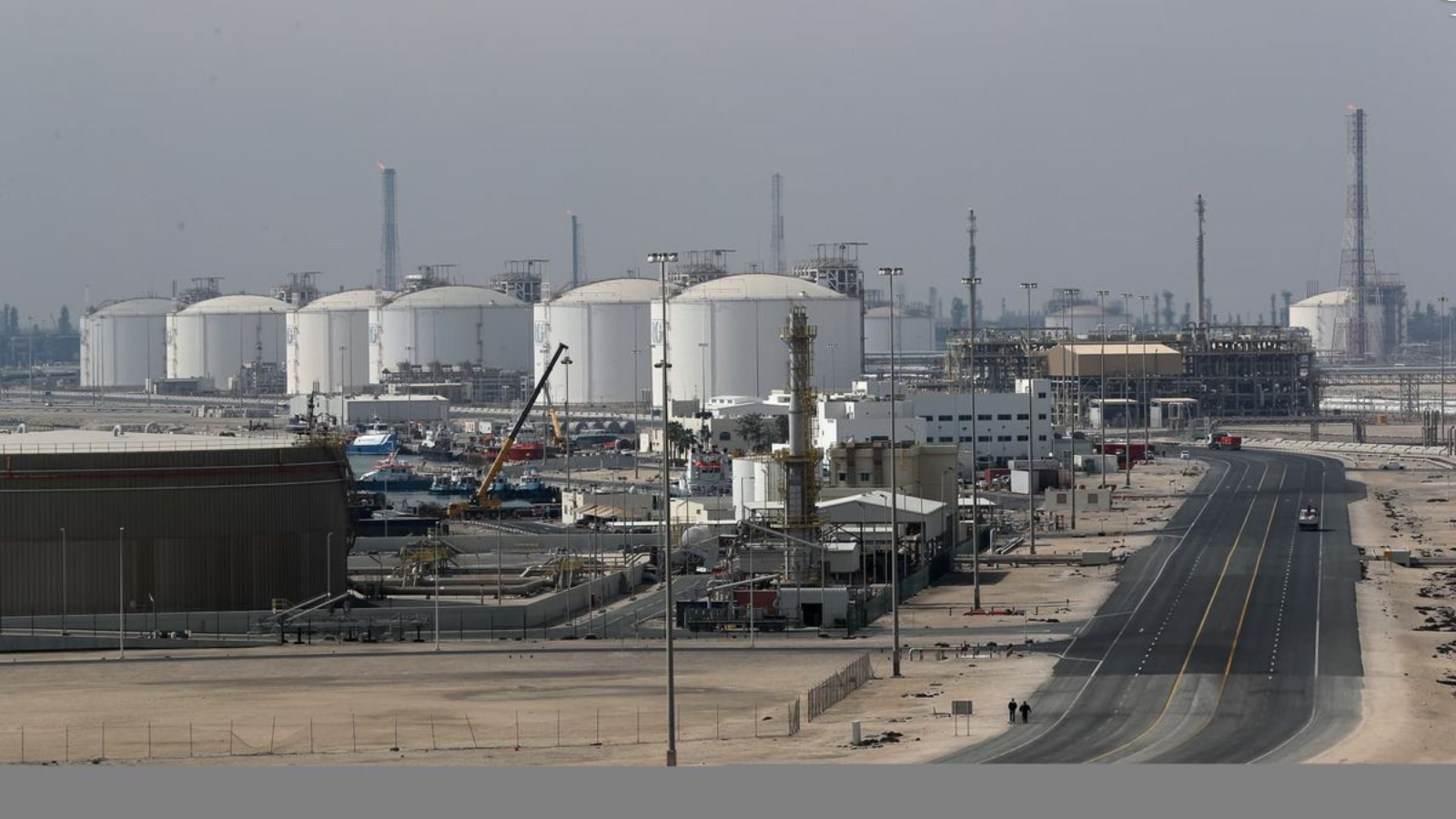
For much of the past two decades, Qatar’s global reputation has been built on liquefied natural gas. Today, the narrative is broader and more complex. According to recent data highlighted by Oxford Business Group, non-hydrocarbon activity accounted for 65.5% of GDP in the third quarter of 2025, with value added reaching QR121.9bn, up 4.4% year on year. That shift places non-hydrocarbon sectors firmly at the heart of national growth.
The figures are not an accident of the cycle. They are the result of sustained investment and policy coordination under Qatar National Vision 2030 and the Third National Development Strategy (NDS‑3), which set diversification as a central goal. Public infrastructure projects, regulatory reforms and targeted incentives have all helped tilt the balance of output toward services, industry and knowledge-based activities.
Crucially, this transition is happening while hydrocarbon revenues remain significant, giving the state fiscal space to invest rather than retrench. Oxford Business Group describes it as one of the region’s more “credible transformation stories,” backed by a clear investment pipeline estimated at around $100bn. For international investors and partners, that combination of stability and change is a key part of Qatar’s appeal.
New Growth Leaders Beyond Oil And Gas
Behind the headline number sit a cluster of fast-growing sectors that now define Qatar’s non-hydrocarbon economy. Construction, wholesale and retail trade, and accommodation and food services recorded some of the strongest annual gains in recent official data, expanding by 9.1%, 8.9% and 6.4% respectively. Each reflects a different dimension of the country’s economic repositioning.
Construction has been propelled by large-scale infrastructure, real estate and logistics projects that extend beyond the World Cup build-out, supporting industrial zones, transport hubs and new urban developments. Those projects, in turn, feed demand in trade, logistics and financial services, reinforcing a more diversified economic base.
Tourism and hospitality have also moved from supporting role to growth driver. Following the visibility boost of major sporting events, Qatar has continued to invest in high-end hotels, cultural attractions and business tourism offerings, helping accommodation and food services become a recurring rather than one-off contributor to GDP. ICT, logistics and financial services round out the non-hydrocarbon growth story, positioning Doha as a regional hub for services linked to trade, finance and technology.
Policy Framework For A Post-Hydrocarbon Era
If diversification is the destination, policy is the engine. The Third National Development Strategy sets out a transition from a state-led development model to one where the government acts more as an enabler of private-sector growth. That shift is visible in how investment is being channeled into “growth clusters” such as manufacturing, logistics and tourism, and “enabling clusters” like IT, digital services, finance and education.elibrary.
Oxford Business Group’s reporting underscores that momentum has strengthened since NDS‑3 was launched in early 2024, with non-hydrocarbon activity driving overall GDP growth of 2.4% in 2024 and a similar trajectory into 2025. The emphasis is not only on diversifying output, but also on broadening the tax base and export profile over time, reducing vulnerability to swings in global energy markets.elibrary.
At the same time, Qatar’s centralized leadership structure has allowed economic strategy, fiscal policy and long-term vision to remain closely aligned. For businesses operating in or with Qatar, that alignment translates into greater predictability around infrastructure delivery, sector priorities and regulatory evolution — critical factors when weighing multi-year investment decisions.
A Regional Test Case For Transformation
Qatar’s experience is being watched closely across the Gulf, where other energy-rich states are embarking on their own diversification drives. With non-hydrocarbon sectors now approaching two-thirds of GDP and growth in those activities outpacing hydrocarbons, Qatar offers an early test case of how a gas-dependent economy can pivot without sacrificing stability.elibrary.
In practical terms, the 65.5% figure is less a finish line than a marker along the way. Maintaining that momentum will require continued private-sector participation, deeper integration of technology into traditional industries and progress on productivity, areas where international partnerships and expertise will play an important role. But as Oxford Business Group’s latest report makes clear, the foundations of a more diversified, service- and knowledge-driven economy are already in place.elibrary.
For global businesses, investors and policy watchers, Qatar’s evolving growth mix offers a window into how economic transformation can be managed in real time: not as a slogan, but as a measurable shift in what drives national output.