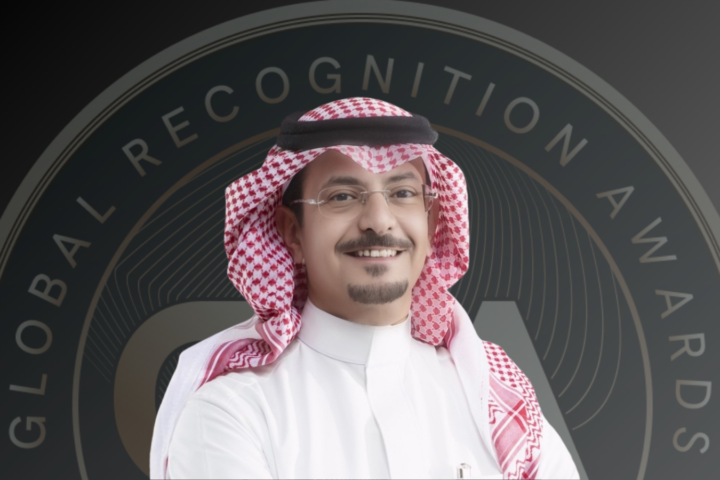

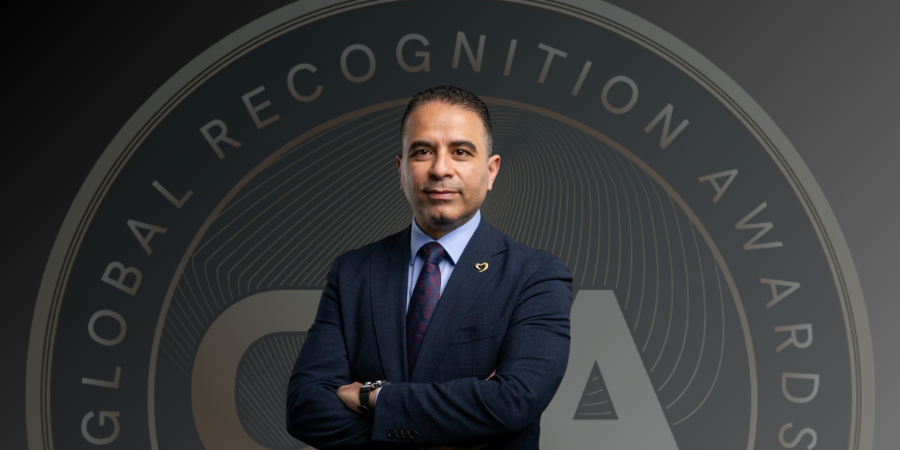
In a sector where institutional progress is typically measured over decades, Dr Ahmed Eissa compressed a complete cycle of healthcare transformation into a single year—without sacrificing governance, accountability, or patient-centered measurement.
Rather than framing change as a slogan, Dr Eissa anchored every strategic move to operational readiness and verifiable outcomes. His leadership at Saudi German Health UAE demonstrates how disciplined sequencing, structured governance, and continuous performance tracking can accelerate institutional maturity in specialized healthcare.
Leadership As A System Design Exercise
Dr Eissa approached leadership as an architectural challenge: build structures first, scale later. When establishing the SRC Proctology Center of Excellence—widely regarded as the world’s first fully dedicated proctology center—he prioritized governance, workflow stability, and clinical reliability before seeking external validation.
This groundwork enabled SGH Ajman to join the Mayo Clinic Care Network in 2025, making Saudi German Health the region’s largest cluster of Mayo Clinic-affiliated hospitals. Such partnerships typically require years of compliance preparation, yet Dr Eissa’s framework allowed the institution to meet Mayo’s clinical and operational standards within a condensed timeframe.
Accreditations followed in rapid but deliberate succession: American Hospital Association recognition, SRC certification, and inclusion in Newsweek/Statista global hospital rankings. SGH Dubai earned a five-star rating and appeared among the world’s best smart hospitals, validating performance across patient safety, digital maturity, and care quality.
Dr Eissa described these milestones as “layered checkpoints, not accelerated leaps,” emphasizing that each recognition reflected systems already functioning internally.
Specialized Care Backed By Measurable Impact
The proctology center was created to address an overlooked clinical gap. Conditions involving colorectal and pelvic health often face delayed diagnosis due to stigma and fragmented referral pathways. By consolidating expertise in a single specialized facility, SGH enabled standardized protocols and detailed tracking of outcomes rarely achievable in dispersed models.
In parallel, SGH Dubai’s Stroke Center received designation from the American Heart Association in 2025, reinforcing the group’s expansion of measurable excellence beyond one specialty. Dr Eissa required every department to connect clinical interactions with quantifiable indicators—turning patient experience into operational data rather than anecdotal feedback.
Cross-border patient flows confirmed the center’s regional significance. Patients increasingly sought treatment at SGH facilities because published metrics and transparent pathways provided predictability in high-sensitivity medical fields.
From Patient Safety To Total Quality Management
One of Dr Eissa’s most consequential shifts was broadening the institutional philosophy from Quality & Patient Safety to Total Quality Management. The change embedded responsibility across all operational layers, reinforced by the launch of the internal initiative “Quality is U,” a recurring recognition platform celebrating staff-driven improvements.
Clinicians were encouraged to challenge protocols through evidence review, with adoption contingent on measurable gains. Ethical governance standards were codified across consent procedures, risk communication, and decision-making frameworks to reduce variability under pressure.
Training relied heavily on simulations and case-based exercises, while SGH UAE hosted practitioners from underserved regions to transfer practical quality methodologies adaptable to resource-limited systems.
A Replicable Blueprint For Accelerated Healthcare Maturity
Dr Eissa’s work illustrates that institutional acceleration in healthcare is not a function of speed alone but of disciplined alignment—where governance, measurement, culture, and partnerships reinforce each other. The 2025 Global Recognition Award acknowledged not only a specialized clinical achievement but also a broader transformation model grounded in evidence, transparency, and sustainability.
The enduring significance lies in demonstrating that healthcare institutions can reach global standards rapidly when leadership treats quality as infrastructure rather than aspiration.