
Pakistan’s healthcare system has long struggled to keep pace with its rapidly expanding population. Urban hospitals face overcrowding, while rural communities often remain underserved, with limited access to qualified medical professionals. For many families, even basic consultations can require hours of travel, adding financial and logistical strain to already vulnerable households.
This widening gap between demand and accessibility has created a fertile ground for innovation. Digital health platforms have begun to emerge as viable solutions, yet many still operate within fragmented systems that fail to fully address continuity of care. The need is no longer just about access to doctors, but about creating a seamless healthcare experience that extends beyond hospital walls.
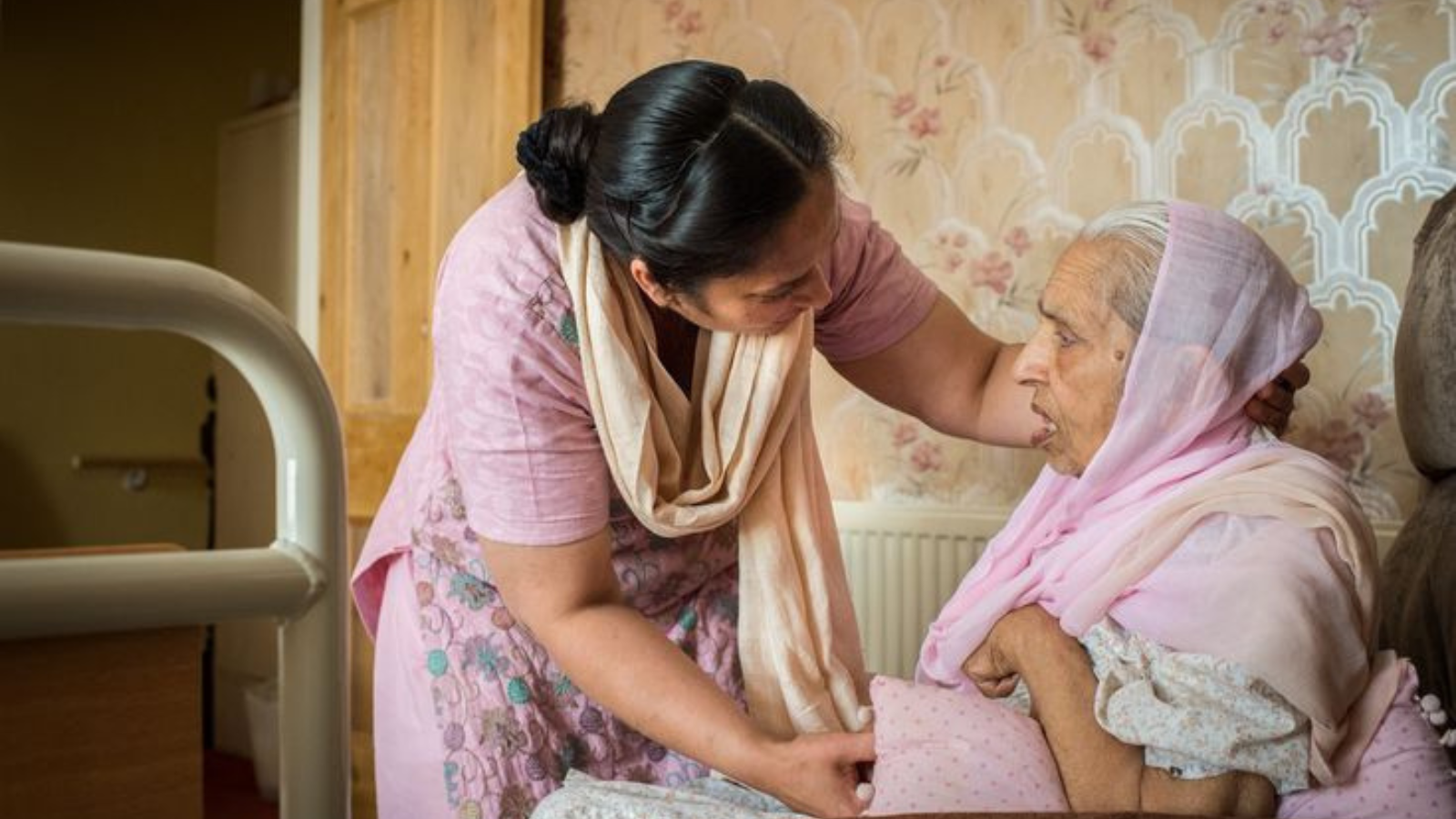
Against this backdrop, a new model is taking shape, one that brings healthcare directly into patients’ homes while integrating multiple services into a single, cohesive ecosystem. This shift signals more than convenience; it reflects a broader rethinking of how care can be delivered in a country with complex infrastructural challenges.
Building A Connected Care Ecosystem
At the heart of this transformation is the idea of integration. Rather than offering isolated services such as teleconsultations or appointment bookings, the platform is developing a system where diagnostics, consultations, follow-ups, and medication delivery function as interconnected parts of a patient’s journey.
This approach reduces the friction that often discourages people from seeking timely care. A patient can consult a doctor remotely, receive diagnostic recommendations, schedule lab tests at home, and access prescriptions without navigating multiple providers. The experience becomes streamlined, particularly for individuals managing chronic conditions who require ongoing monitoring.
Equally important is the emphasis on continuity. By maintaining digital health records within the platform, patients and practitioners can track medical histories more effectively. This continuity not only improves treatment outcomes but also builds trust in a system where fragmented care has historically been a barrier.
Expanding Reach Beyond Urban Centers
While digital platforms often gain traction in major cities, the real test lies in reaching underserved populations. Pakistan’s rural and semi-urban regions present unique challenges, including limited internet connectivity, lower digital literacy, and fewer healthcare facilities.
To address this, the model incorporates hybrid solutions that bridge online and offline care. Mobile health units, local partnerships, and simplified user interfaces help extend services to communities that might otherwise be excluded from digital health innovations. By adapting to local conditions rather than imposing a one-size-fits-all solution, the platform increases its potential impact.
This expansion is particularly significant in a country where a large portion of the population resides outside metropolitan areas. Bringing healthcare into homes in these regions can dramatically reduce delays in diagnosis and treatment, which are often caused by distance and cost constraints.
The Future Of At-Home Healthcare
The rise of integrated, home-based healthcare models points to a broader shift in how medical services are conceptualized. Patients are no longer passive recipients of care delivered within clinical settings; they are becoming active participants in a system that meets them where they are.
Technology plays a central role in enabling this transformation, but its success ultimately depends on trust and usability. Platforms that prioritize patient experience, data security, and reliable service delivery are more likely to gain widespread adoption. In emerging markets, where skepticism toward digital solutions can persist, building this trust is critical.
Looking ahead, the implications extend beyond convenience. A well-executed at-home healthcare model has the potential to ease pressure on hospitals, improve early detection of illnesses, and create a more equitable distribution of medical resources. In doing so, it not only addresses immediate challenges but also lays the groundwork for a more resilient healthcare system.