

In today’s accelerated digital landscape, the word “failure” carries a weight that feels heavier than ever. Projects rise and fall with a tweet, algorithms rewrite what we thought we knew, and innovation cycles turn over so quickly that yesterday’s success can look irrelevant by tomorrow. Yet within this constant churn lies something deeply human — the ability to absorb mistakes, reframe them, and begin again. In a world increasingly guided by mechanical precision and predictive learning, our resilience rooted in failure may be humanity’s most defining advantage.
As artificial intelligence reshapes industries and challenges traditional definitions of mastery, the act of stumbling has gained new meaning. It’s no longer just about avoiding missteps; it’s about learning how to fall intelligently. This skill — the capacity to process setbacks rapidly and extract insight — has turned into a kind of emotional literacy for professionals navigating technology’s frontier.
Learning at the Speed of Machines
Historically, failure was something to hide. In boardrooms or classrooms, it whispered of incompetence, a mark of weakness. But that narrative no longer fits the realities of the AI age. Machine learning itself thrives on mistakes — systems iterate, crash, recalibrate, and learn. For humans, the same rhythm is emerging: progress now depends on how efficiently we convert failed attempts into fuel for improvement.
In Silicon Valley, this mindset is often summed up in the phrase “fail fast.” But to truly benefit from that ethos, it’s not enough to move quickly — we must also learn deeply. A product that flops, a campaign that misfires, or a code that breaks may contribute more to the next breakthrough than smooth success ever could. Failure becomes a data point, and in the hands of creative thinkers, that data transforms into wisdom.
The most adaptive organizations aren’t just analyzing what went wrong; they are building cultures that celebrate experimentation. They treat every misstep as a rehearsal for resilience. Engineers, designers, and leaders alike are discovering that curiosity — not control — is the true antidote to fear of failure.
The Emotional Intelligence Behind Setbacks
Behind every successful innovation story is a quiet phase of rejection, uncertainty, and recalibration. What differentiates thriving individuals and companies from those that falter isn’t flawless execution — it’s emotional endurance. As AI expands its reach, that endurance becomes our distinguishing factor. Machines can process information, but they don’t yet feel disappointment or ambition. Humans do.
Navigating failure requires empathy, the ability to self-assess, and the courage to stay open to chaos. Leaders today are learning that emotional intelligence doesn’t just improve collaboration; it accelerates decision-making under pressure. Teams that can discuss mistakes freely are faster to pivot, more transparent in their goals, and less afraid of taking bold risks. The more emotionally grounded we become, the more innovative we are.
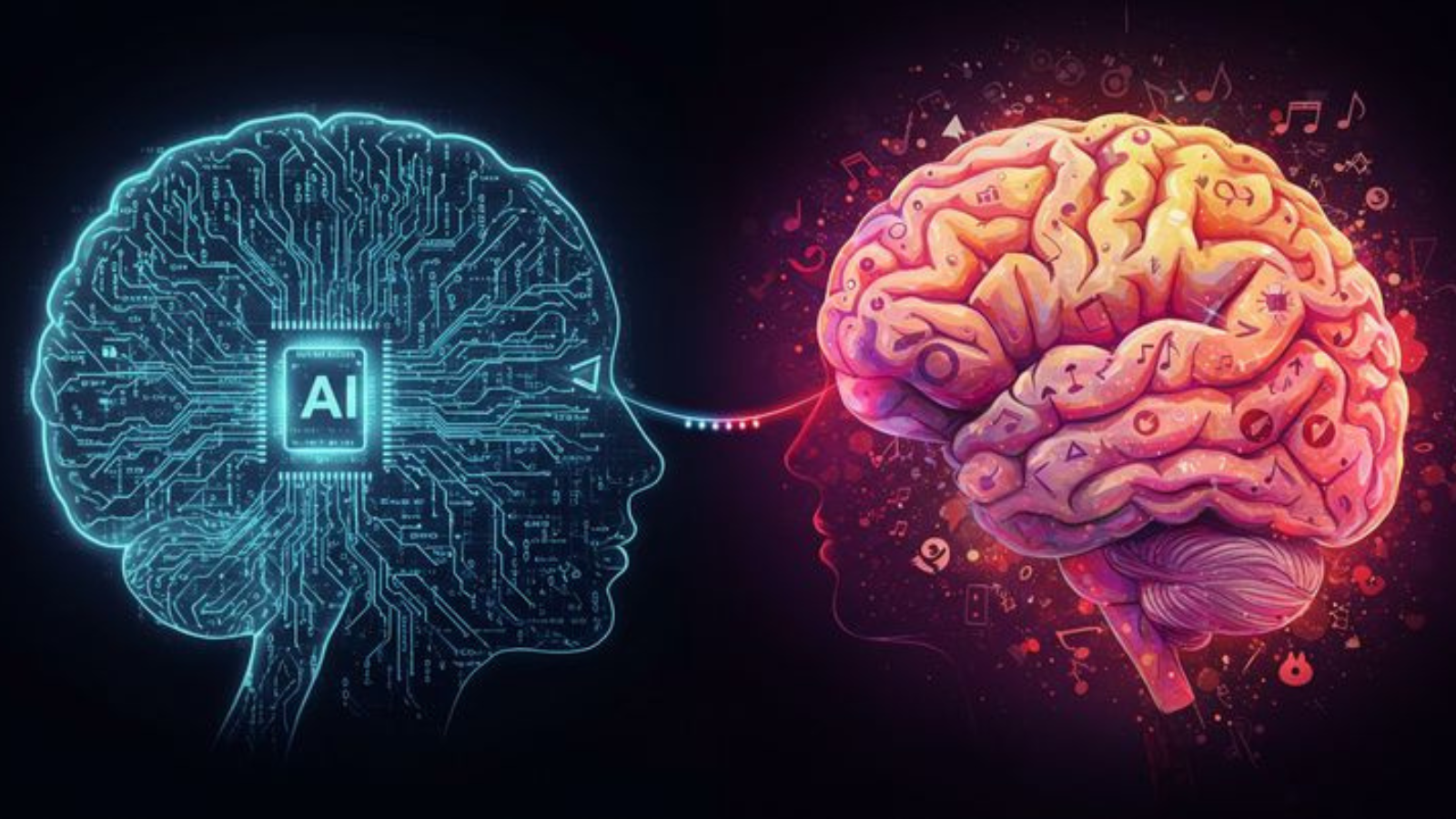
Failure thus shifts from embarrassment to essential education — a private workshop where resilience is tested and sharpened. Just as AI learns by reinforcement, humans learn by reflection. The combination of the two, when aligned, makes organizations vastly more adaptable and enduring.
Thriving Beyond Perfection
The paradox of this era is that success now depends less on perfection and more on persistence. In the age of automation and algorithmic accuracy, imperfection has become the seat of creativity. Each unforeseen outcome offers a moment of insight — a doorway into discovery that a machine might overlook.
Startups, content creators, and global brands are embracing this truth in their own ways. A creative team that experiments fearlessly often outpaces one that focuses solely on error prevention. Similarly, tech innovators who treat prototypes as learning instruments rather than final products find themselves at the forefront of disruption. They know that breakthroughs rarely arrive polished; they emerge from the dirt of trial, error, and tireless reconstruction.
For individuals, mastering failure builds confidence in uncertainty. It allows us to dance with change rather than resist it. As AI continues to evolve, that human flexibility — the willingness to bend but not break — will be not only useful but vital. We learn smarter by accepting that we will stumble, and thrive by embracing the lessons those stumbles bring.
A Future Built on Resilience
Human intelligence historically grew from curiosity, patience, and failure. The Renaissance thinkers, inventors, and visionaries who shaped civilization did not fear mistakes; they relied on them. Today’s innovators, though working alongside advanced machines, are rediscovering this timeless truth. Success in the era of AI doesn’t demand flawlessness — it demands adaptability.
As we entrust more decisions and predictions to technology, the human mind’s ability to handle imperfection will define leadership. Those who understand failure as a pathway, not an endpoint, are poised to lead with empathy, creativity, and courage. Ultimately, our capacity to “fail smarter” may be what ensures that humanity remains not just relevant but indispensable in an automated world.