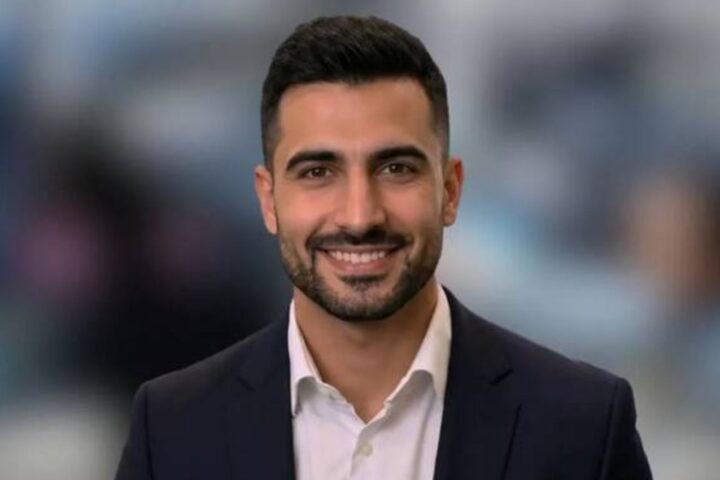

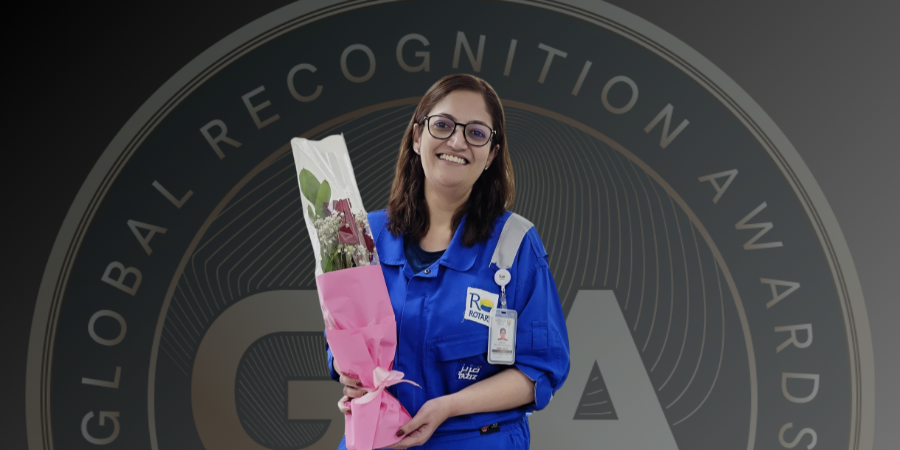
Parvin Raipathi has spent more than 16 years doing something that most organizations talk about far more than they practice: building workplaces where strategy and human dignity reinforce each other. Her 2026 Global Recognition Award, conferred following a rigorous multi-stage evaluation that placed her at the highest possible rating on the Rasch measurement scale, reflects a career defined not by titles or talking points but by structural change that has outlasted the programs that produced it.
Redesigning How HR Works at Scale
The most consequential shift Raipathi introduced across her career was a global HR decentralization initiative that moved the HR function away from transactional support and toward genuine organizational leadership. She redesigned the HR operating model from the ground up and established more than 93 process frameworks that improved governance, accountability, and regional agility across multiple geographies. The result was not simply a restructured org chart; it was a foundation that gave regional teams real decision-making authority and a clearer mandate to manage people with both precision and purpose. That structural investment required a parallel commitment to building the people who would operate within it. Raipathi designed and delivered a global coaching culture initiative that trained managers in leadership competency, communication, and employee engagement. She also developed competency-based frameworks for over 80 organizational roles, creating structured pathways for talent development across a workforce of more than 7,500 employees, reflecting the same underlying conviction: that sustainable organizations grow their leadership from within.
Together, these initiatives represent a deliberate philosophy about what HR infrastructure is actually for. Rather than treating process design as an end in itself, Raipathi consistently oriented her frameworks toward outcomes that employees and managers could feel: clearer expectations, more equitable development opportunities, and a sense that the organization was investing in people rather than simply managing them.
Data, Governance, and the Business Case for Fairness
Raipathi led the implementation of a global workforce dashboard and a suite of digital HR tools, improving HR productivity and operational efficiency by 70%. The more significant outcome, however, was not the efficiency gain itself. Still, what it enabled: workforce analytics became central to how the organization understood and responded to people challenges, improving visibility across global operations and enabling faster, more grounded decision-making. Her work demonstrated that HR digitalization, executed with strategic clarity, changes how organizations govern their people, not just how quickly they process paperwork.
Her approach to compensation and workforce governance followed the same logic. Raipathi led global wage benchmarking and wage administration initiatives that established transparent, equitable, and competitive compensation structures across multiple regions. The improvements in employee trust and retention that followed were not incidental; they were the point. Raipathi operated on the premise that workforce governance, built on fairness and reliable data, is a leadership function, not an administrative one.That premise has practical consequences. Organizations that treat compensation as a back-office concern often discover, too late, that it shapes culture as powerfully as any leadership program. By bringing wage benchmarking into the strategic conversation, Raipathi positioned equity not as a compliance obligation but as a direct expression of the organization’s values.
Leadership Under Pressure
Through deliberate workforce planning, structured crisis communication, and cross-functional coordination, she keeps operations running without disruption while holding employee safety, well-being, and morale at the center of every decision. That combination of operational continuity and genuine care for people, sustained simultaneously under pressure, is rare and not accidental.
Alex Sterling, a spokesperson for Global Recognition Awards, noted: “Raipathi represents precisely the standard of leadership this award was designed to honor, because her ability to drive enterprise-wide change while keeping human wellbeing at the heart of every decision is what truly sets her apart from the field.” That assessment points to something that resists easy measurement: the capacity to remain oriented toward people even when the operational stakes are highest.
Raipathi’s career, taken as a whole, makes a quiet but durable argument that the organizations most capable of performing under pressure are those built, at every level, with their people in mind. That is not a soft insight. It is, increasingly, a structural one, and her record across Asia and the Middle East stands as evidence of what it looks like when that argument is put into sustained practice.