

WASHINGTON: Iraq has signalled its readiness to mediate between the United States and Iran as part of a diplomatic push to end the war and reopen dialogue, with Baghdad offering to help bridge differences, particularly on economic matters.
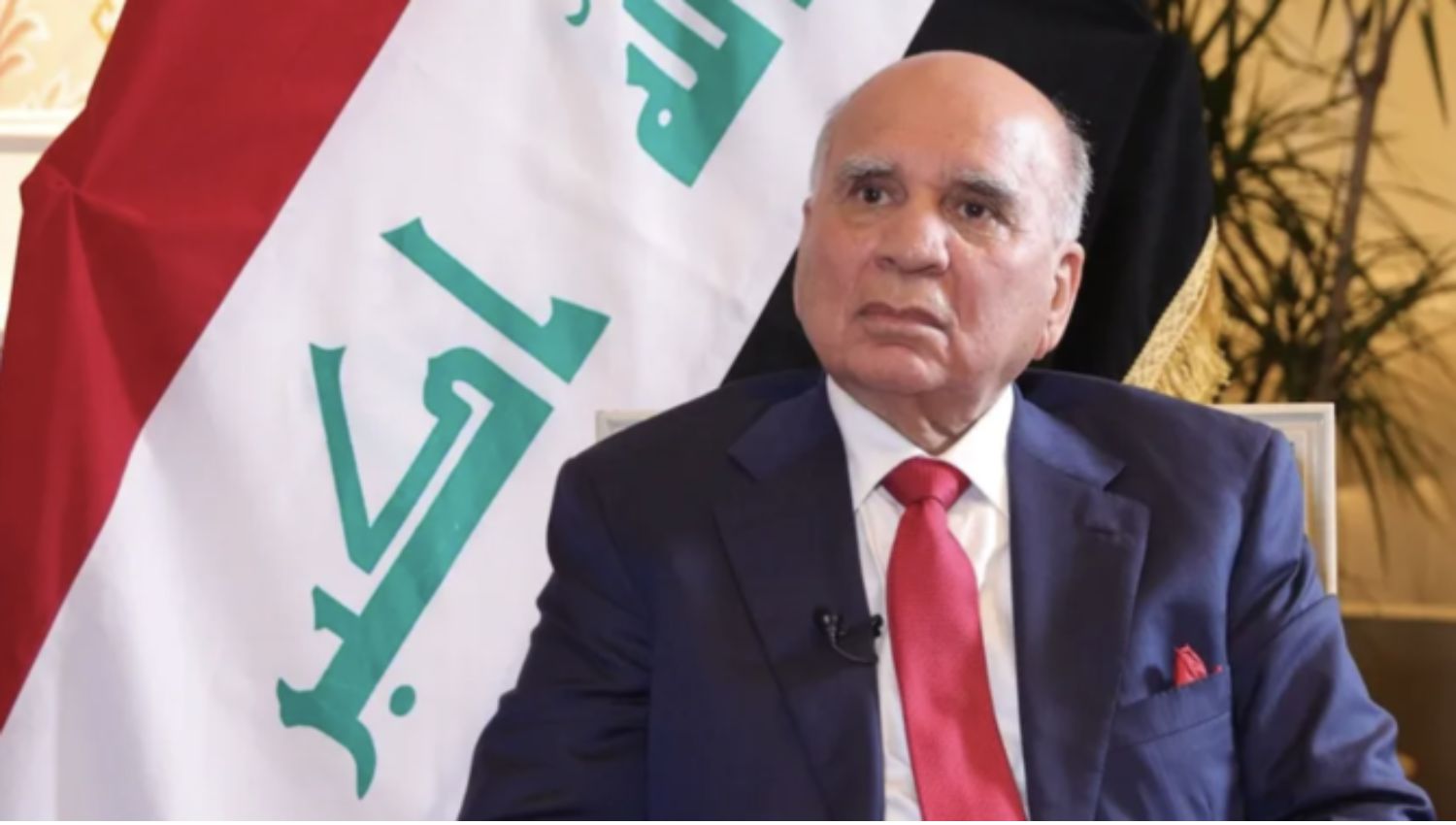
Iraqi Foreign Minister Fuad Hussein told Asharq’s Washington bureau chief, Hiba Nasr, that Prime Minister Mohammed Ali Al-Zaidi would visit Iran on 23 July following his trip to the United States. During that visit, Hussein said, Iraq would present its case for ending the war, stressing that any talk of initiatives, especially on the economy, first requires an end to the escalation. “Everything is possible to discuss if the war is ended,” he said.
Baghdad is prepared to play a mediating role between Tehran and Washington, above all on economic questions, he added, while insisting the immediate priority is to halt the fighting and create the conditions for dialogue. The prime minister’s tour will also take in Turkiye on 28 July, along with a possible visit to Saudi Arabia.
Hussein noted that Iraq had helped bring Tehran and Washington closer under previous administrations. Baghdad, he said, is not carrying an American message to Iran but can relay the views it heard in Washington while also presenting Iraq’s own position. He said the prime minister had raised a number of war-related issues during his visit to Washington, and reiterated that Iraq is “ready to be a mediator between the two sides, especially on economic issues.”
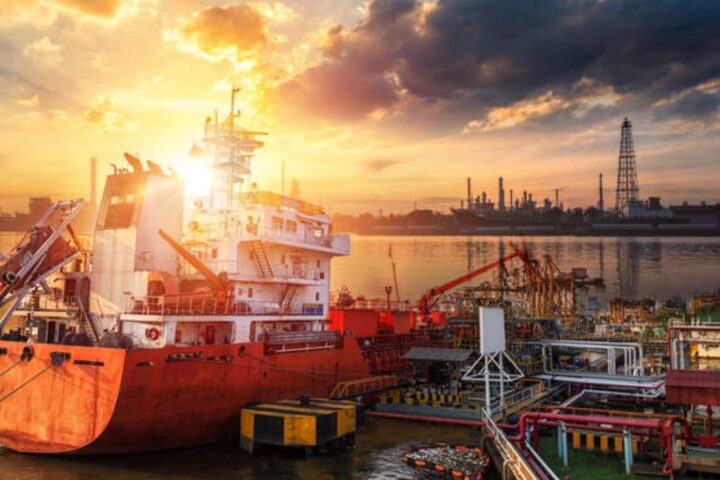
The war, he said, has inflicted direct damage on Iraq. The country is struggling to export its oil through the Strait of Hormuz, which he called “the only passage” for Iraqi crude, while exports through the Kurdistan pipeline to Turkiye do not exceed about 200,000 barrels per day. The solution, he stressed, lies in a return to dialogue and an end to the war.
Confining Weapons to the State
On the domestic front, Hussein described the issue of armed factions as an internal matter tied to politics and the Iraqi Constitution, which does not permit weapons outside the authority of the state. Decisions on war and peace, he said, should rest solely with the government. Three factions have already handed their weapons to the armed forces, while dialogue continues with four others, two of which have announced they will surrender their arms after the departure of US forces in September.
Iraq cannot build its economy or attract major companies and investment without a secure environment at home and in the region, Hussein said. “We are entering a new phase, and the Iraqi government, especially the prime minister, is giving this issue great attention because it is not possible to rebuild the Iraqi economy, attract major companies to invest or revitalize the economy without providing security. We need a stable domestic security situation, and we also need a stable regional security environment.”
On Syria, Hussein said Baghdad had upgraded its ties with the new government in Damascus, noting that his talks there with President Ahmed Al-Sharaa and Foreign Minister Asaad Al-Shaibani had covered oil and economic issues. The two sides reached understandings on rebuilding the oil pipeline from Iraq to Banias in Syria with the participation of American and Gulf companies, along with a separate project to extend a pipeline to Aqaba in Jordan. The Jordanian energy minister is due to visit Baghdad to discuss the matter.
Partnership With Washington to Attract Investment
On relations with the United States, Hussein said ties are anchored in the Strategic Framework Agreement, and expressed Baghdad’s wish to expand American investment in infrastructure and the oil and gas sectors. “We are facing challenges and we need a strong partner and strong companies capable of investing capital and technology in Iraq, and that partner is the United States, with which we have relations governed by a strategic agreement,” he said.
He also pointed to improving relations with Iraq’s Arab neighbours, citing positive understandings with Saudi Arabia and continued coordination with Kuwait to resolve outstanding issues, particularly those rooted in the past, alongside stronger ties with Jordan, Egypt, and Syria.
US Withdrawal and Security Cooperation
On the US military presence, Hussein said the withdrawal of American forces is proceeding under the agreement reached with the previous government and will unfold in two phases. The final phase, he said, would end the military presence and complete the withdrawal from the Kurdistan Region of Iraq by the end of September, with the United States committed to the agreement.
“We began talks with the American side regarding the withdrawal of the international coalition forces, including US forces, because what is present is not only the American military but also the broader international coalition,” he said. “However, we may still need security understandings between the United States and Iraq, and that does not mean there will be no security cooperation in intelligence sharing and the exchange of information. We are living in a time of war, and we do not know what the future holds or where the situation is heading. There is still no clear picture of the future of the region in light of the continuing escalation.”
Hussein said Iraq is working to shield itself from the fallout of the war, warning that its continuation would bring further destruction across the region and underscoring the need to work with all parties to end it. “We are trying to protect Iraq. We have succeeded in preventing Iraq from becoming part of this war, but its repercussions have reached us, and we have become one of its victims. The Iraqi economy is a victim of the war because of the closure of the Strait of Hormuz, and it is our duty to protect Iraq.” He added: “We are not part of this war, we do not believe in war, and we have never believed in expanding it.”