

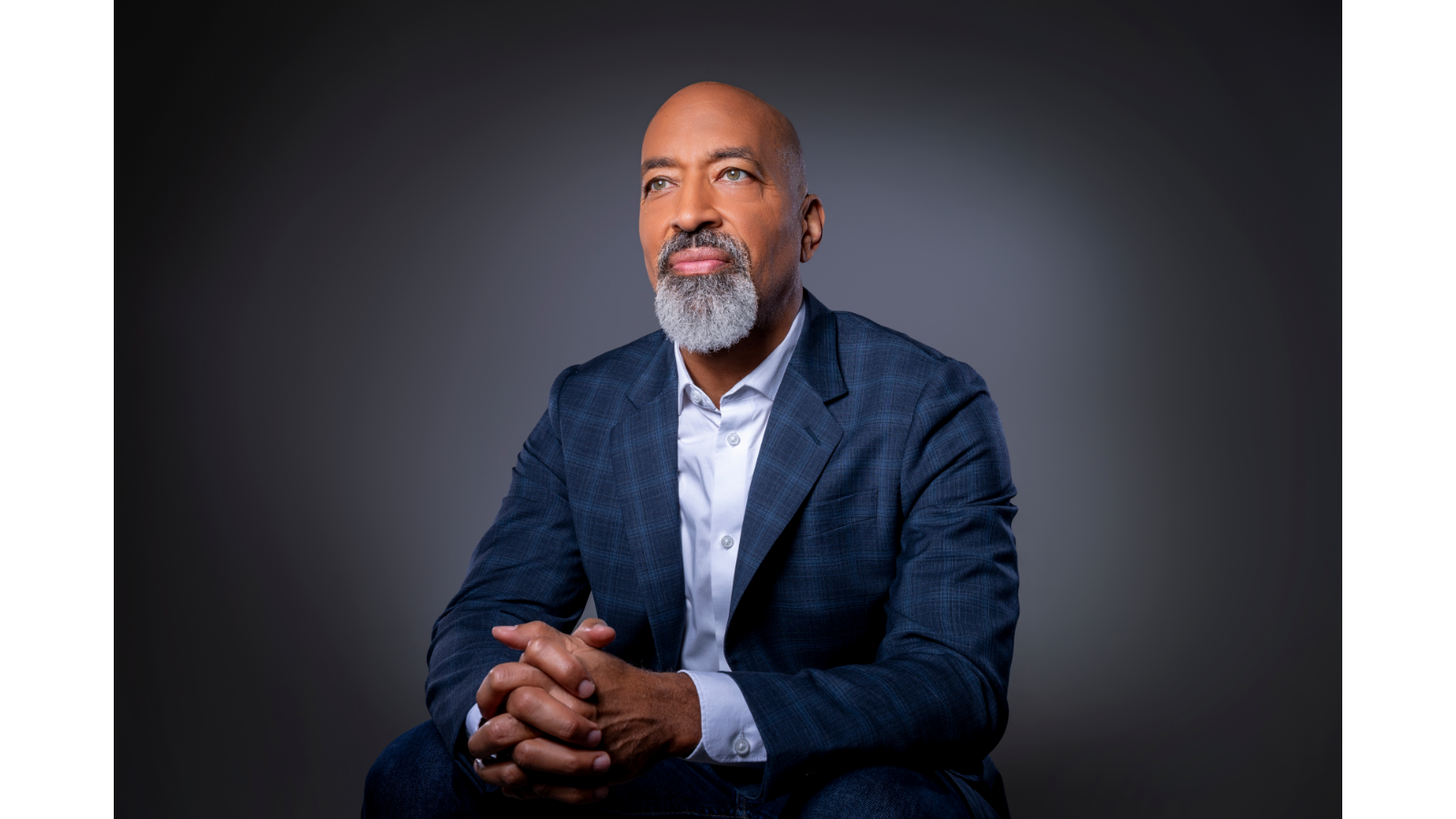

When Joshua Isaac Smith moved from technology entrepreneurship into trauma therapy, he brought an unusual mix of operational structure and clinical focus that now shapes how many mental health practitioners learn to work with trauma survivors. That combination supports Advanced EMDR, Ltd., a training organization recognized for its careful, evidence-informed approach, which links eye movement desensitization and reprocessing with somatic psychology and trauma-sensitive yoga in a single, coherent framework.
Advanced EMDR, Ltd. received a 2025 Global Recognition Award after an evaluation that used the Rasch model to create linear measurement scales across leadership, research, innovation, teaching, and mentoring. The review highlighted Joshua Isaac Smith’s capacity to encourage practitioners, the ethical foundations of the course materials, and the practical use of research within training. The organization delivers programs in London and Manchester, UK. It provides recorded modules and live webinars, offering mental health professionals options to engage with complex material while maintaining direct contact with supervisors for consultation and support.
Smith’s shift from corporate leadership to clinical work has influenced how Advanced EMDR, Ltd. designs its curriculum. The course portfolio includes EMDR, somatic psychology, trauma-sensitive yoga, flow states, optimal performance coaching, burnout, and impostor syndrome, presented as related subjects rather than isolated units. Participants often note that the training pushes them to refine clinical judgment while providing structured support for the emotional demands of trauma-focused practice.
Building A Framework That Connects Neuroscience And Clinical Practice
Advanced EMDR, Ltd. received strong research scores for originality in methodology, international collaboration, and the practical use of findings in clinical settings. Its curriculum draws on neuroscience, somatic practices, and trauma-focused psychotherapies to help practitioners see how neurobiological, cognitive, and bodily responses interact during treatment. This structure supports more precise case formulation and encourages clinicians to tailor interventions to individual clients, rather than applying standard protocols without adjustment.
International collaboration has broadened the organization’s perspective, as experience from different health systems and cultural contexts influences how protocols are presented and adjusted. Joshua Isaac Smith has worked to protect core EMDR principles while allowing for changes that reflect the realities of local practice. Reviewers noted that this balance between consistency and flexibility marks a clear step away from older training approaches that emphasized strict adherence to protocol over clinical reasoning.
The training model combines recorded content with live online sessions and in-person workshops. Participant feedback indicates the frequent use of the methods and the practical value of the integrated approach, with many mental health professionals stating that the structure helps them explore new combinations of techniques while remaining grounded in current research. Evaluators also observed that Advanced EMDR, Ltd. questions the narrowness of trauma training formats while still relying on an established evidence base for treatment.
Teaching And Mentoring That Prioritize Depth Over Volume
Teaching and mentoring assessments focused on formats that stress case discussion, skills practice, and reflection on personal responses to trauma material rather than passive listening. Advanced EMDR, Ltd. has developed methods that require participants to engage with real clinical scenarios, explain their reasoning, and receive detailed feedback from trainers familiar with complex trauma presentations. These approaches, along with measured use of technology and documented gains in learner outcomes, contributed to high teaching scores.
Mentoring strength is evident in the diversity and progression of mentees, as well as in the depth of their commentary. Participants frequently mention Joshua Isaac Smith’s ability to distill complex neuroscience into clear, actionable guidance while retaining sufficient detail for informed, challenging clinical decisions. Many report increased confidence when handling cases that involve multiple trauma histories, co-occurring conditions, or clients who have not responded to more standard interventions.
Media work has also shaped how Smith and Advanced EMDR, Ltd. communicate. Smith has appeared on CBS News, ITV, Channel 4, and Living TV, and his work has been featured in The Sunday Times, the South China Morning Post, and Marie Claire. Along with the Yogaboxing project, this record reflects a long-standing effort to present trauma-related knowledge in accessible and accurate terms that reach professionals and the broader public.
Leadership That Balances Innovation With Ethical Accountability
Leadership evaluations highlighted a clear strategic plan at Advanced EMDR, Ltd., which effectively connects course design, practitioner support, and client outcomes. Joshua Isaac Smith has consistently demonstrated the ability to motivate others, as reflected in trainee accounts that describe being challenged to improve their practice and feeling supported in handling the emotional impact of trauma work. Ethical decision-making and integrity received the highest ratings in the leadership assessment, because the organization places informed consent, boundaries, and respect for client autonomy at the center of its training materials and expects participants to adopt the same standards.
The organization’s strategic planning is evident in how course topics relate to one another, rather than existing as separate offerings. While reviewers noted that there is still room to expand the vision and its implementation, they also observed ongoing efforts to adjust the course structure and delivery in response to feedback from practitioners and mentees. Smith encourages careful, limited experimentation, asking trainers and participants to try new approaches while anchoring those adjustments in current research and recognized clinical frameworks.
Advanced EMDR, Ltd. makes a measurable contribution to how practitioners understand and respond to trauma in individual and community settings, while its mentoring and teaching help shape future clinicians in a thoughtful and accountable manner. Smith’s path from technology chief executive to trauma specialist shows how skills developed in one sector can inform educational design in another, particularly when attention is given to technical delivery and human impact. For mental health professionals seeking training that connects theory with practice and holds to clear ethical standards, Advanced EMDR, Ltd. offers a steady, structured model of trauma education built around Joshua Isaac Smith’s talent, skills, and commitment to thoughtful clinical work.