
EU foreign ministers meeting in Luxembourg on Monday agreed to establish a support mission for the Lebanese army, with an initial mandate of three years. The mission, called EUSM Lebanon, will also work with the Internal Security Forces (ISF) and support maritime security, according to a European Council statement.
For the army, the mission will help with land border surveillance and control, intelligence, surveillance and reconnaissance, counter-smuggling and operational coordination. ISF personnel will receive training on cybercrime and smuggling. The mission will coordinate with the UN and other partners involved in Lebanon’s security sector. EU foreign policy chief Kaja Kallas said “Europe is invested in Lebanon’s future” and called the mission a major update of the bloc’s security ties with the country.
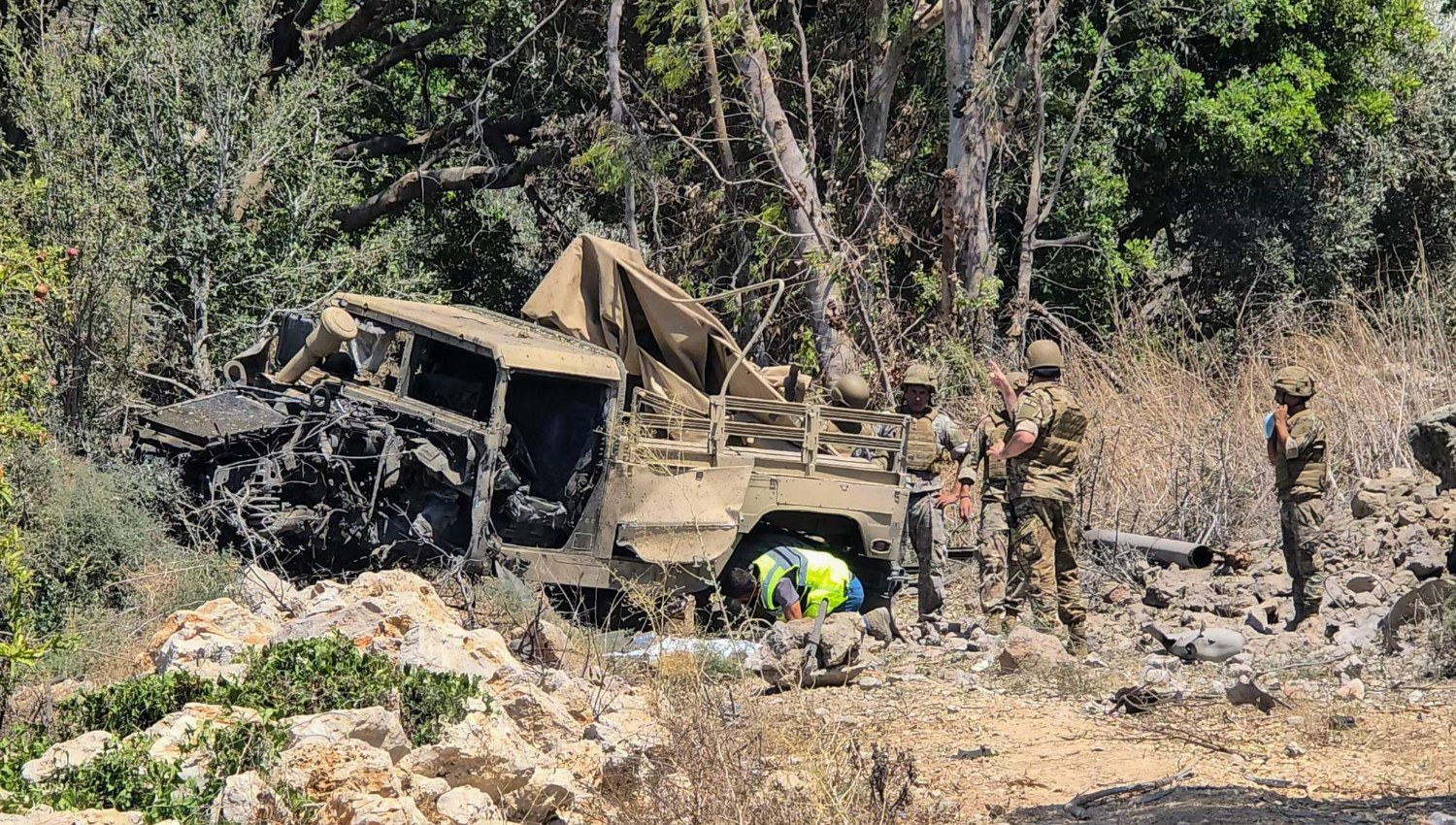
The decision comes as the UN Interim Force in Lebanon (Unifil), deployed on the Lebanon-Israel border since 1978, prepares to withdraw on 31 December. The EU mission will not replace Unifil. French Foreign Minister Jean-Noel Barrot said it would take on day-to-day support for the police so that the army can focus on its core tasks. Belgian Foreign Minister Maxime Prevot said the Lebanese state must hold exclusive authority over the use of force across its territory, pointing to a recent seizure of large quantities of explosives.
Dylan Macchiarini Crosson of the International Crisis Group said the EU has provided 160 million euros in military assistance over the past three years and urged a quick deployment. He said the mission does not answer the main concern, which is keeping an international presence in the south. He recommended that the EU press Israel and Hezbollah to respect the ceasefire, push for a reconstituted international force and expand aid. France and Italy are separately exploring a mission to help the army disarm Hezbollah, though that plan has not taken shape and European states do not intend to take charge of disarmament themselves.
The diplomatic track remains stuck. Israel occupies about 7 per cent of southern Lebanese territory, and US-brokered peace talks have stalled over sequencing: Israel says it will withdraw only after Hezbollah disarms, while Lebanon wants Israel to leave first. Western governments want Beirut to disarm the group, which kept its weapons after the civil war ended in 1990 and holds seats in parliament.