
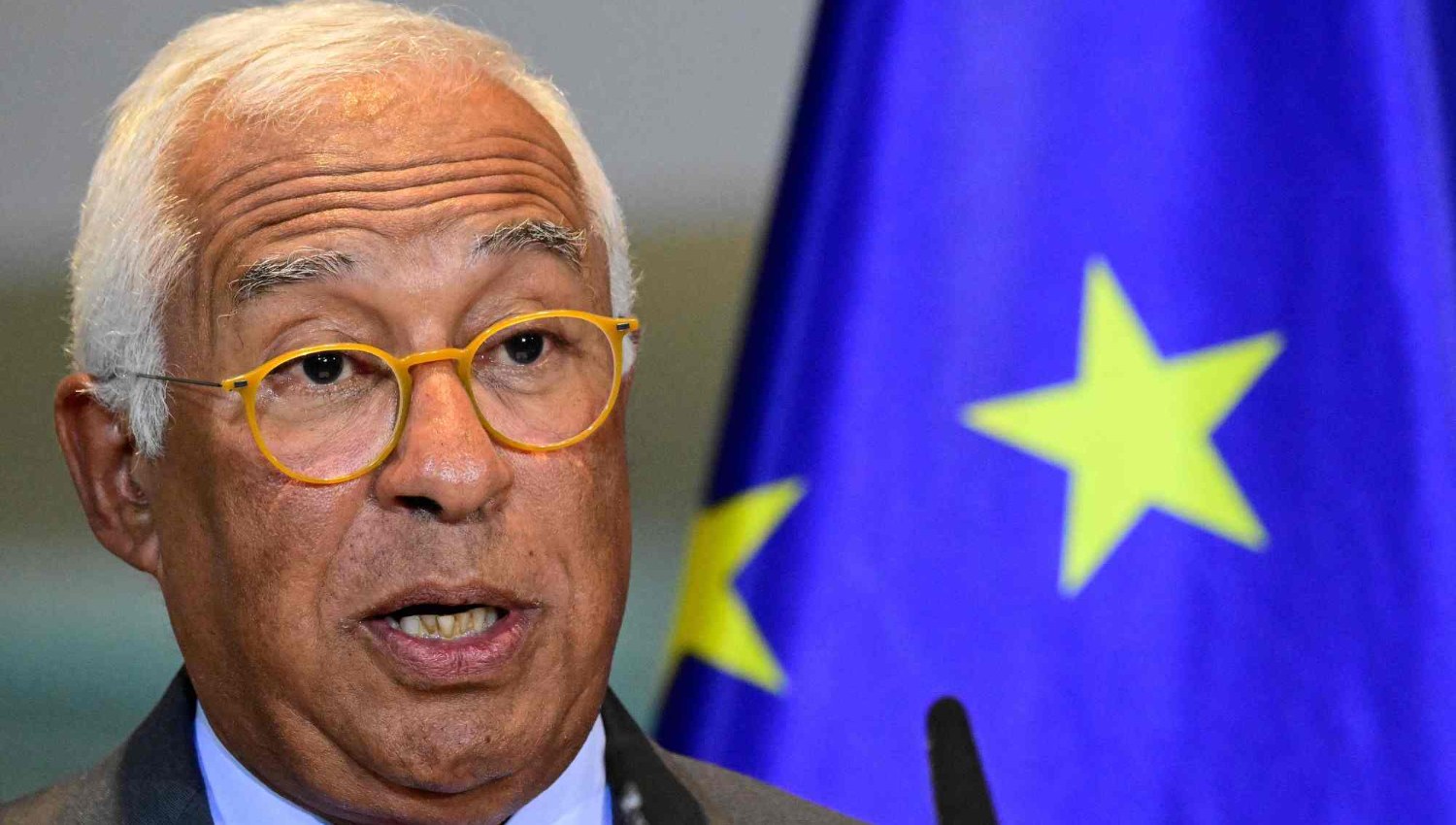
European Union leaders will travel to Riyadh on October 24 for the second EU-GCC leaders’ summit, where security and energy co-operation are expected to dominate the agenda. European Council President Antonio Costa, who will co-chair the meeting with Crown Prince Mohammed bin Salman, set out his priorities in a letter of invitation to Gulf and EU leaders seen by The National.
Costa wrote that the current geopolitical situation creates “an opportunity for deeper and more ambitious EU-GCC partnerships”. He listed peace and security, connectivity, trade, economic co-operation, energy and mobility as the main areas for discussion, and said the summit could present the EU as a reliable, long-term partner for the Gulf. In a joint statement, nine Southern Mediterranean EU leaders said the meeting would help strengthen engagement with Gulf partners on regional peace, security and prosperity.
The summit comes at a time of instability for Gulf states. Since the Iran war began on February 28, European governments have offered support to the region. France and Italy sent air-defence systems to the UAE early in the conflict, and after the Houthi offensive escalated last month, France and the UK were among the first to send Saudi Arabia military support, including jet-refuelling capability and defence systems. Turkey and Pakistan, both of which have a defence agreement with Saudi Arabia, have also said they would send troops.
Trade gives the relationship weight. The EU is the second-largest trading partner of the six GCC members, Bahrain, Kuwait, Oman, Qatar, Saudi Arabia and the UAE, and the European Commission says trade between the two blocs has grown by about 30 per cent over the past decade. Fuel accounts for more than 75 per cent of EU imports from the Gulf. The first leaders’ summit was held in Brussels in 2024, the first such meeting since the original EU-GCC co-operation agreement was signed in 1989.
Maritime security is also likely to feature. EU foreign policy chief Kaja Kallas has been pressing member states to reinforce Aspides, the bloc’s defensive naval mission, whose mandate covers the Red Sea, the Bab Al Mandeb strait and the Strait of Hormuz, although it currently operates in the Red Sea. Italy and France each have one frigate assigned to the mission, which is under Greek strategic command. Cinzia Bianco, a research fellow at the European Council on Foreign Relations, told The National that Europe’s backing for the Gulf did not mean a move away from the United States.