
African civil society organisations have called on Sudan to allow international inspectors to examine allegations that the Sudanese Armed Forces (SAF) used chemical weapons in the war against the paramilitary Rapid Support Forces (RSF). The call was made in a resolution adopted on Saturday at the close of a three-day NGO forum in Dakar, the capital of Senegal.
The groups asked the African Commission on Human and Peoples’ Rights, which opened its own session in Dakar on Monday, to press Sudan to admit technical teams from the Organisation for the Prohibition of Chemical Weapons (OPCW).
They also want Sudan to declare any chemical weapons production sites and disclose where its munitions are stored, so the OPCW can verify and destroy them. The resolution condemned “massive war crimes and crimes against humanity” by both parties to the conflict and called for a ceasefire monitored by an independent international body, as well as an end to foreign arms, money and diplomatic backing for the warring parties.
The allegations are not new. In April 2025, Washington concluded that the Sudanese government had used chemical weapons in 2024 and imposed sanctions, with a second round taking effect in July. Sudan rejects the accusation. In July its Foreign Ministry said the country “neither produces, possesses nor uses chemical weapons” and described the US sanctions as unilateral and unlawful.
An interim report by a Sudanese national committee, circulated at an OPCW meeting in July, said it had found no evidence of chemical weapons use. A US representative responded after that meeting that domestic mechanisms could not replace independent verification. Both sides in the conflict have faced sanctions over breaches of international law. In January 2025 the US determined that the RSF and allied militias had committed genocide in Darfur, and UN investigators said in February 2026 that the RSF’s capture of El Fasher in 2025 bore hallmarks of genocide.
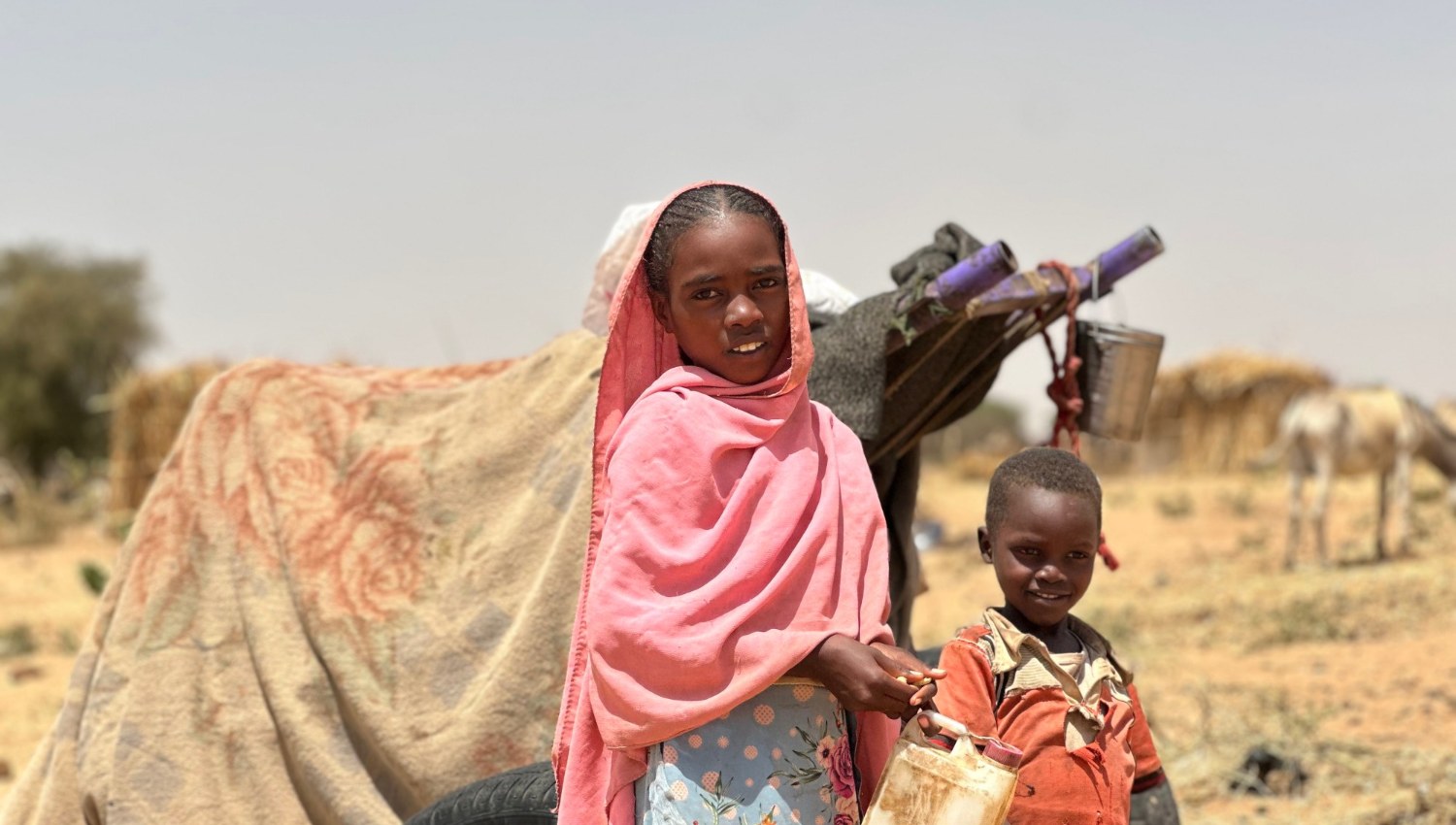
The NGO forum also pointed to the humanitarian cost of the war, which began in April 2023. It said about 16 million people have been forced from their homes and more than 20 million face hunger. The groups want the African Commission, whose session opened in Dakar on Monday, to use its position to press the SAF over the allegations and to secure access for OPCW teams.