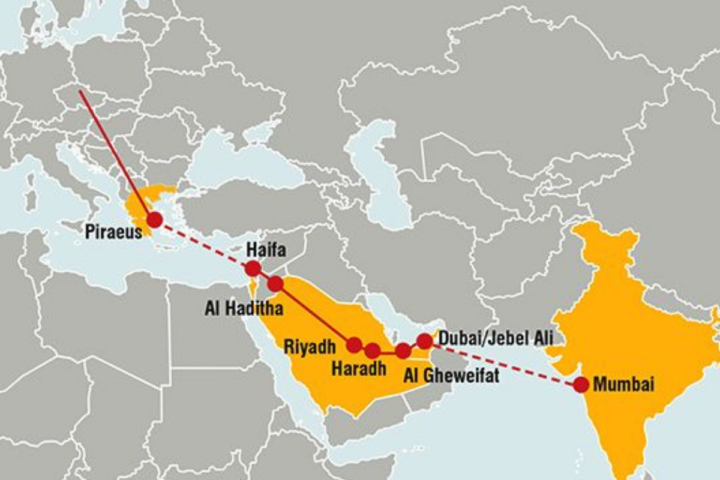


Trade between the Gulf and major Asian economies continues to deepen, reflecting a longer-term reorientation of the region’s commercial relationships toward fast-growing markets in the east. Ports, logistics operators and exporters across the Gulf have positioned themselves as intermediaries in flows of energy, goods and capital moving between continents.
The trend has been reinforced by a series of trade and investment agreements aimed at lowering barriers and encouraging cross-border projects. For Gulf economies seeking to diversify beyond hydrocarbons, closer integration with Asian supply chains offers both markets for new industries and sources of investment.
Logistics hubs in the region have invested heavily in port capacity, free zones and digital customs systems to capture a larger share of that trade. The competition among Gulf states to serve as the preferred gateway has spurred upgrades that benefit exporters across sectors.
Economists caution that the shift is gradual and that traditional partners in Europe and North America remain important. But the direction of travel, they argue, is unmistakable, and Gulf policymakers are increasingly framing their long-term strategies around it.