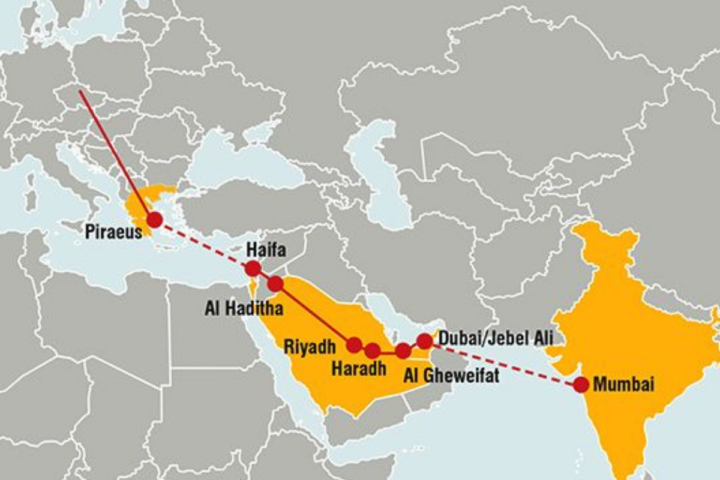



For shoppers walking through a Lulu Hypermarket in Dubai, Abu Dhabi, Muscat or Doha, the journey of a packet of spices, a carton of mangoes or a shelf-ready Indian snack often begins thousands of kilometres away. It may start with a grower in Kerala, a food-processing unit in Maharashtra or a small manufacturer in Tamil Nadu preparing for a market far beyond India’s borders.
Lulu Group’s widening sourcing network is helping turn that journey into a more reliable commercial route. By strengthening its procurement links across India and connecting suppliers with its extensive Gulf retail presence, the retail conglomerate is contributing to a deeper India-GCC trade relationship built around everyday consumer goods, agricultural products and homegrown brands. The story is not simply about retail expansion. It is about how shelves in the Gulf are increasingly becoming a gateway for Indian producers seeking international visibility.
A Retail Network With Regional Reach
The Gulf Cooperation Council has long been an important commercial destination for Indian exporters, supported by geographic proximity, strong maritime links and a large Indian diaspora. Yet access to the region’s consumers has often depended on whether producers could meet demanding standards for quality, packaging, consistency and supply volumes.
Lulu Group occupies a distinctive position in that equation. Its retail operations across the Gulf give it direct insight into what consumers are buying, from familiar staples and regional ingredients to premium packaged foods and fresh produce. That market intelligence can flow back through its sourcing channels, allowing Indian suppliers to better understand the preferences of households in cities such as Dubai, Riyadh, Doha and Kuwait City.
The result is a more connected commercial ecosystem. Rather than viewing the Gulf only as an export destination, Indian producers can increasingly see it as a sophisticated retail market where brand presentation, traceability and reliability carry as much weight as price. Lulu’s role as a large-format retailer helps translate those expectations into practical opportunities for suppliers prepared to grow.
Bringing Indian Producers Closer to Consumers
India’s food and consumer-goods sector is remarkably diverse, ranging from established national brands to regional businesses with products rooted in local taste and tradition. Expanding access to Gulf retail shelves can give those companies a chance to reach consumers who may already recognise the flavours of home while also introducing Indian products to a wider international audience.
For fresh-produce suppliers, the connection is especially significant. Fruits, vegetables, spices and specialty food products require careful handling from farm gate to store display. A retailer with established procurement systems, logistics partners and high-volume demand can help create a steadier pathway for products that might otherwise struggle to reach overseas buyers at scale.
The value extends beyond individual transactions. Suppliers that enter organised international retail networks often face pressure to improve packaging, cold-chain coordination, food-safety processes and delivery schedules. Those changes can make a company more competitive not only in the GCC but in other export markets as well. In that sense, expanded sourcing can become a form of market preparation for Indian businesses aiming to build more durable global brands.
Trade Ties Built on Everyday Demand
The India-GCC economic relationship is frequently discussed through the lens of energy, infrastructure and large investment flows. Those sectors matter enormously, but consumer trade tells another part of the story. It reveals how economic ties are reinforced through ordinary purchases made every day by millions of households.
An Indian family picking up familiar pantry essentials in the Gulf, or a local shopper choosing Indian rice, tea or ready-to-cook meals, participates in a broader exchange of goods and culture. Retail has the power to make international trade feel immediate and personal. It turns export statistics into products that people cook with, share and trust.
Lulu Group’s sourcing expansion reflects the growing importance of this consumer-facing dimension. As Gulf markets continue to develop into diverse, globally connected retail environments, demand is likely to favour suppliers that can combine authenticity with dependable quality. Indian businesses are well placed to benefit because they offer an immense range of products, but successful participation will depend on meeting the expectations of increasingly discerning consumers.
The Next Chapter for India-GCC Commerce
The future of India-GCC trade will likely be shaped by more than container volumes. It will depend on how efficiently businesses can link producers, ports, distributors and retail outlets while adapting to changing preferences around health, sustainability, convenience and premium quality.
For Lulu Group, expanded sourcing from India creates an opportunity to deepen assortment, support supply continuity and respond to the tastes of a diverse customer base. For Indian exporters, it offers a route into one of the world’s most commercially dynamic regions, where retail visibility can help turn a regional product into an international contender.
The larger significance lies in the bridge being built between local enterprise and global consumption. A small-scale food producer may begin with a product designed for a domestic market, but the right sourcing relationship can place that product in front of shoppers across the Gulf. As that network grows, India-GCC commerce becomes not only more substantial, but more connected to the people and businesses driving it from both sides of the Arabian Sea.