
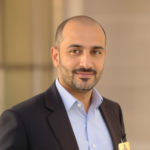
Hang Lung Group and Hang Lung Properties are preparing for a leadership transition that places a seasoned consumer and retail executive at the center of one of Hong Kong’s most closely watched property businesses. Leo Tsoi, currently chief executive of Toys “R” Us Asia, has been appointed chief executive officer and executive director, marking a strategic shift toward customer-focused growth at the luxury real estate developer.
Tsoi is expected to join the group as CEO-designate on September 7 before formally assuming the top role on October 1. He will succeed Weber Lo, whose eight-year tenure has spanned a period of transformation for the company and a changing economic landscape across Hong Kong and mainland China.finance.yahoo+1
A Leadership Change With Retail at Its Core
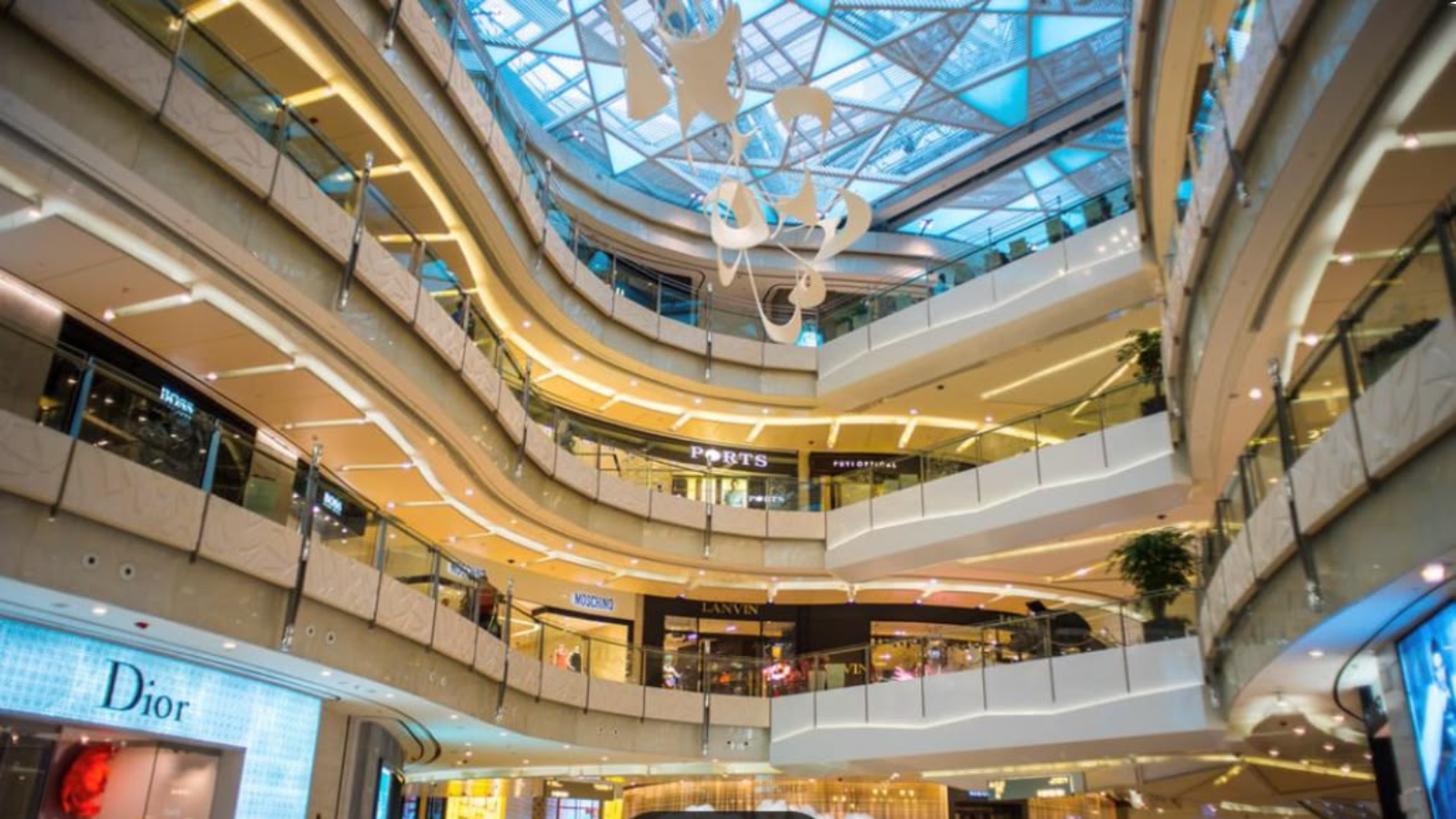
For Hang Lung, the appointment signals more than an executive handover. The company’s portfolio includes some of the region’s most recognizable commercial properties and premium shopping destinations, making the experience of shoppers, tenants and brand partners central to its future direction.
Tsoi arrives with more than three decades of experience across retail and business management in Asia. His career has placed him in leadership roles where commercial performance depended not only on real estate or product, but also on understanding how customer expectations evolve. That perspective could prove valuable as malls increasingly compete to become destinations rather than simply places to shop.
Chairman Adriel Chan described Tsoi as a leader with a track record of driving growth through operational excellence. The company has indicated that the incoming CEO will focus on strengthening relationships with stakeholders, tenants and customers, an agenda that reflects the increasingly experience-led nature of luxury retail.
From Toy Stores to Luxury Destinations
At Toys “R” Us Asia, Tsoi has overseen a turnaround effort built around an asset-light model, regional expansion and a sharper focus on changing consumer behavior. One of the company’s notable moves was embracing the “kidult” market, engaging adult shoppers who buy toys, collectibles and nostalgic products for themselves.
That consumer insight is likely to resonate beyond the toy sector. Retail developers today are navigating a market in which customers are influenced by digital discovery, travel, social media and demand for memorable in-person experiences. A successful shopping center must offer more than established labels. It must create an atmosphere that gives people a reason to return.
Before Toys “R” Us Asia, Tsoi served as CEO of Starbucks China after holding other senior positions within the business. The Starbucks experience placed him at the heart of China’s fast-moving consumer market, where scale, local relevance and disciplined execution can determine whether global brands flourish or fall behind.finance.yahoo+1
The Legacy Weber Lo Leaves Behind
Weber Lo’s departure closes an important chapter for Hang Lung. He is set to step down after eight years as CEO, though he will remain adviser to the chairman for one year, providing continuity during the transition. His exit also represents the first CEO change since Adriel Chan succeeded his father, Ronnie Chan, as chairman in 2024.finance.yahoo+1
Leadership transitions at major property groups carry particular weight because their strategies unfold over long cycles. Decisions on tenant mix, refurbishment, development, financing and market positioning can take years to show their full effect. The overlap between Lo’s advisory role and Tsoi’s arrival gives Hang Lung an opportunity to balance institutional knowledge with a new operating approach.
The appointment comes as property companies across Greater China continue to adapt to uneven consumer confidence and changing patterns in travel, luxury spending and office use. In that environment, the ability to protect premium positioning while remaining responsive to customers may be one of the clearest measures of leadership.
A New Lens on Growth
Tsoi’s move from retail into property underlines how closely the two industries have become connected. Landlords are no longer merely providers of space. They are curators of brand environments, visitor experiences and commercial ecosystems that must work for tenants as well as customers.
For Hang Lung, this creates an opportunity to apply a retailer’s discipline to a landlord’s long-term vision. Attention to customer behavior, tenant performance and brand relevance could become even more central to how the company defines growth in its next phase.
The appointment also reflects the value of cross-sector leadership at a time when conventional business boundaries are becoming less distinct. Tsoi’s task will be to translate retail instincts into results across a landmark property portfolio. If he succeeds, Hang Lung’s next chapter may be defined not simply by the buildings it owns, but by the experiences and relationships those spaces create.