


Barcelona Rail Tragedy
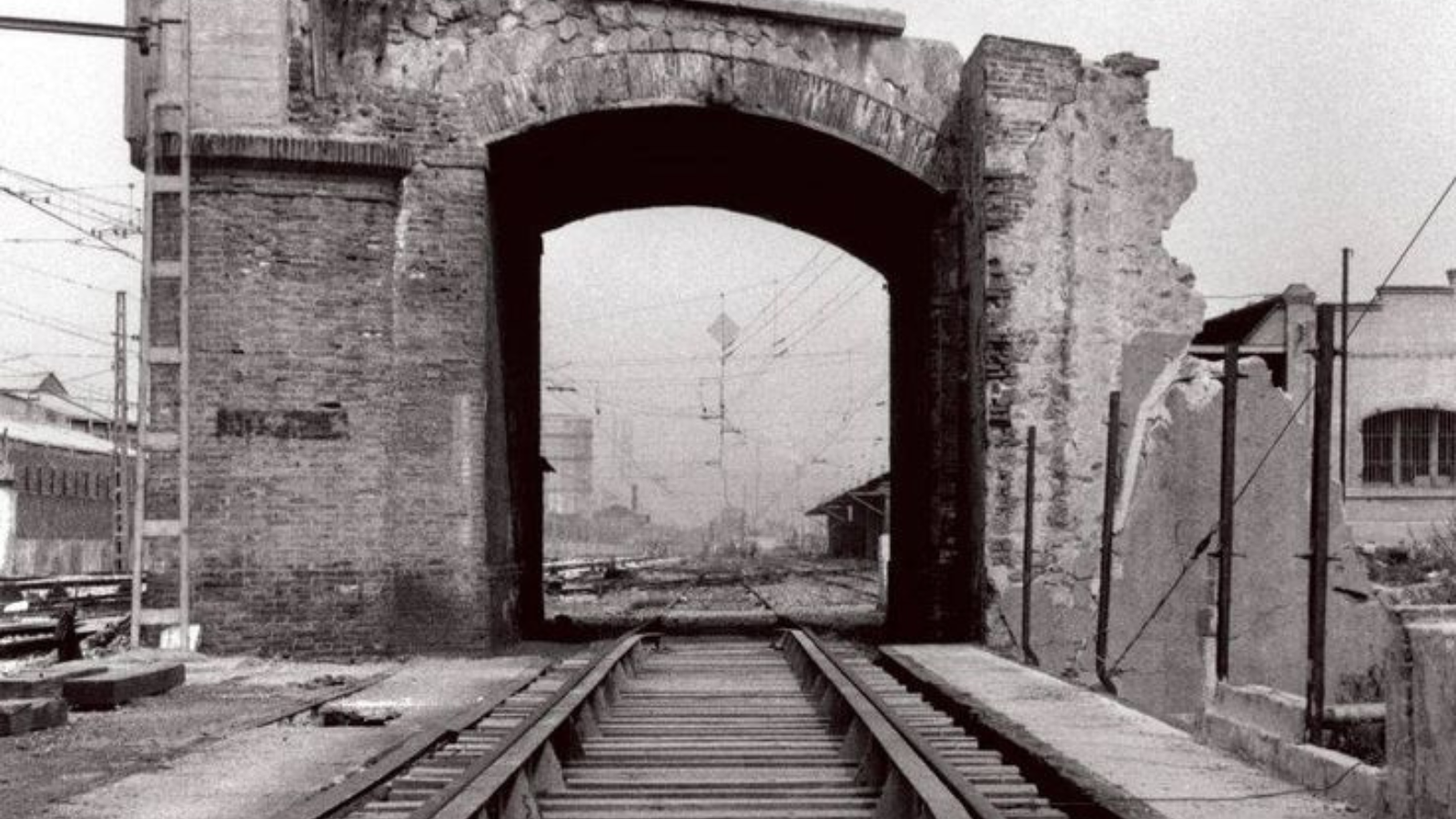
Morning commuters outside Barcelona expected an ordinary ride, the familiar rhythm of wheels against rails carrying them toward another weekday. Instead, the journey ended in chaos when a section of wall collapsed onto the tracks, striking a passing commuter train with devastating force. The impact killed the train’s driver instantly and left nearly 40 passengers injured, several of them seriously.
Witnesses described a sudden jolt followed by a deafening crash as debris struck the front of the train. Inside the carriages, passengers were thrown forward, some colliding with seats or windows as the train came to an abrupt halt. In the immediate aftermath, confusion and fear rippled through the compartments as travelers struggled to understand what had happened.
Emergency services were dispatched within minutes, with paramedics, firefighters, and police converging on the scene. The scale of the response reflected the severity of the incident, as first responders worked urgently to evacuate passengers and assess the injured. Helicopters circled overhead while ambulances lined nearby access roads, transforming the usually quiet stretch of railway into a hub of emergency activity.
The Human Toll Behind the Headlines
While the incident quickly captured national attention, the human stories unfolding at the scene revealed the deeper impact of the tragedy. Survivors recounted moments of panic and uncertainty, describing how strangers became immediate sources of comfort in the absence of clarity.
Several passengers assisted one another in exiting the train, helping those with visible injuries or limited mobility. In the confusion, mobile phones became lifelines as commuters reached out to loved ones, reassuring them of their safety or, in some cases, seeking help. The emotional toll was evident, even among those who escaped physical harm.
The loss of the train driver has drawn particular attention. Colleagues and union representatives described the driver as experienced and dedicated, someone who had spent years navigating the same route. His death has intensified calls for a thorough investigation, not only into the structural failure but also into broader safety protocols across the region’s rail network.
Questions Around Infrastructure and Safety
As authorities begin their inquiry, early focus has turned to the structural integrity of the wall that collapsed. Preliminary reports suggest that recent weather conditions may have weakened the structure, though officials have cautioned against drawing conclusions before a full assessment is completed.
Infrastructure experts have pointed out that rail corridors often run alongside aging retaining walls and embankments, many of which require consistent monitoring and maintenance. The incident has reignited debate about whether enough is being done to identify and address potential risks before they lead to disasters.
Government officials have pledged a comprehensive investigation, emphasizing transparency and accountability. Transport authorities are expected to review maintenance records, inspection schedules, and any prior warnings related to the site. For commuters, the reassurance that such an event will not be repeated is now a pressing concern.
A City Reflects and Responds
In Barcelona and its surrounding areas, the incident has prompted a moment of collective reflection. Public transportation is a vital part of daily life, relied upon by thousands who expect not only efficiency but also safety. The disruption caused by the crash has extended beyond physical injuries, affecting routines, schedules, and a broader sense of security.
Local leaders have expressed condolences to the victims and their families, while also emphasizing the importance of resilience. Counseling services have been made available to those affected, recognizing the psychological impact that such events can carry long after physical wounds have healed.
As investigations continue, the focus remains on both accountability and recovery. The damaged section of track will require repairs, and services may face temporary disruptions. Yet beyond the logistical challenges, the incident serves as a stark reminder of the vulnerabilities within even the most routine aspects of urban life.