

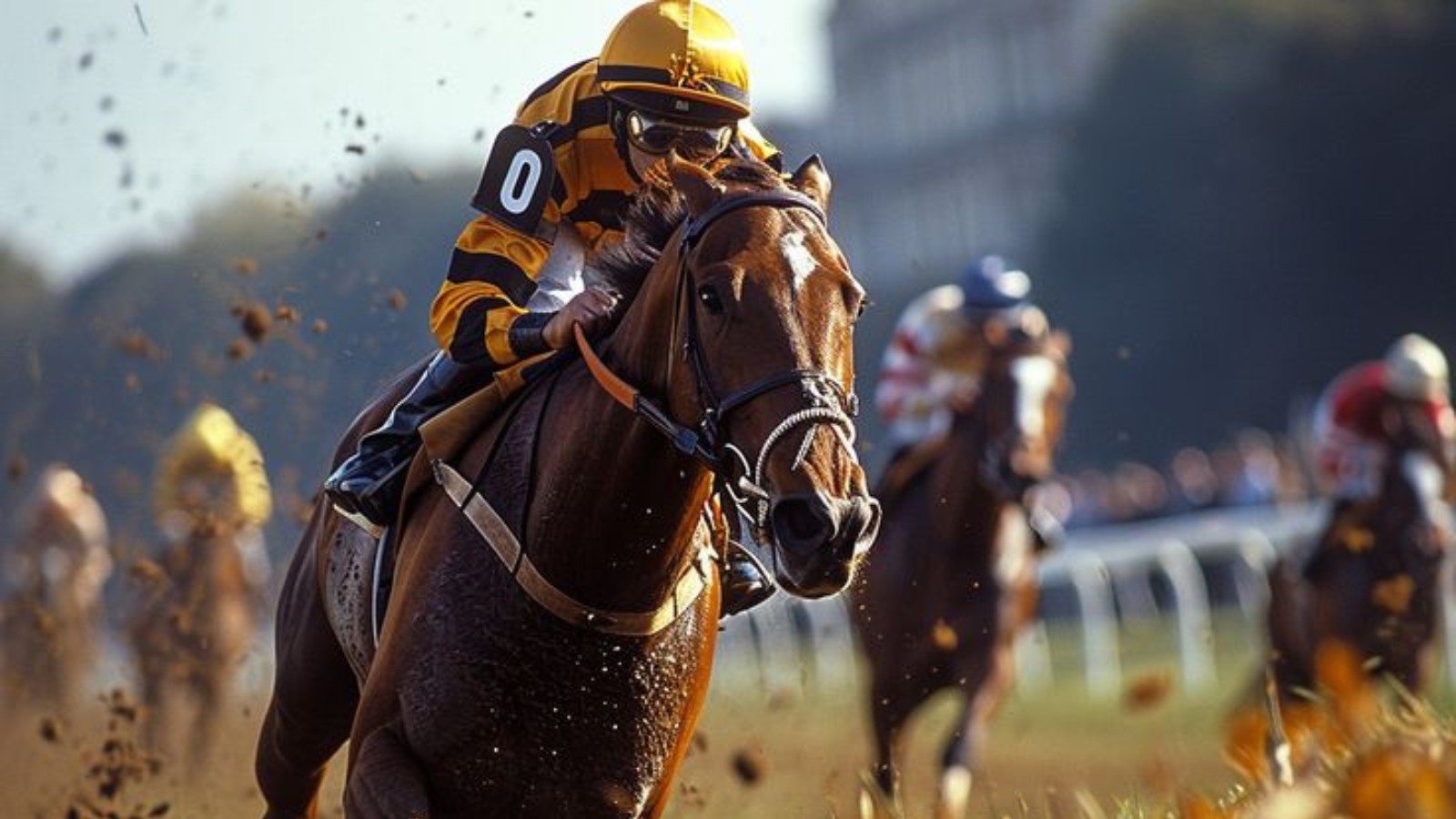

On a crisp morning in urban parks or along countryside trails, the rhythmic clop of hooves often draws admiration. Horses evoke a sense of tradition, leisure, and prestige. Yet, as equestrian culture intersects more visibly with public spaces, a less romantic detail increasingly captures attention: what horses leave behind.
Unlike dog ownership, where cleaning up is an ingrained expectation, the norms around horse waste remain ambiguous. In cities where equestrian units patrol or where leisure riding is common, pedestrians and cyclists frequently encounter manure on shared paths. For some, it is a minor inconvenience. For others, it signals a gap in responsibility that no longer aligns with modern urban standards.
This tension has sparked broader conversations about accountability. As public spaces grow more crowded and multi-use, the once-unquestioned freedoms of horseback riding are being reexamined through the lens of shared civic responsibility.
Tradition Meets Modern Urban Standards
Historically, horse manure was not always viewed as waste in the negative sense. In pre-industrial cities, it was a byproduct with value, often repurposed as fertilizer. Streets filled with horses were a norm, and cleanup was a collective, often informal effort rather than an individual obligation.
Today, however, urban infrastructure and public expectations have evolved. Cleanliness, accessibility, and hygiene are central to how cities operate. Dog owners carry bags. Municipal services enforce fines. In contrast, equestrian practices have not uniformly adapted, creating a visible inconsistency in how different types of animal waste are managed.
Some municipalities have begun addressing this gap by introducing regulations requiring riders to clean up after their horses, particularly in densely populated areas. Enforcement, however, remains inconsistent, and in many regions, the expectation is still more cultural than codified. This leaves riders navigating a gray area between tradition and modern civic norms.
The Practical Challenges Riders Face
For riders, the issue is not always one of unwillingness but practicality. Unlike dogs, horses cannot be easily managed in the same way during defecation, especially while in motion. Dismounting, securing the horse, and cleaning up can be cumbersome, particularly on busy roads or narrow trails.
There are also logistical considerations. Carrying cleanup equipment while riding is not always convenient, and stopping frequently may disrupt both the rider and surrounding traffic. In rural or less populated areas, many riders argue that manure poses minimal harm, often decomposing naturally without intervention.
Yet, critics point out that these challenges are not insurmountable. Innovations such as manure-catching devices, already used in carriage horse operations, demonstrate that solutions exist. The question then shifts from feasibility to willingness and cultural adoption within the equestrian community.
A Question Of Shared Responsibility
At its core, the debate is less about waste itself and more about coexistence. Public spaces are increasingly shared by diverse groups, each with their own expectations of cleanliness and respect. For non-riders, encountering horse manure can feel like an unfair burden imposed by a minority activity.
Riders, on the other hand, often view horseback riding as a tradition deserving of accommodation, particularly given its historical and cultural significance. They argue that horses, unlike dogs, are not merely pets but working or sporting animals, and that this distinction should factor into public expectations.
As cities and communities continue to evolve, the path forward likely lies in balance. Clearer regulations, improved infrastructure, and a shift in cultural norms could help bridge the gap. Whether through voluntary adoption of cleanup practices or formal policy changes, the conversation reflects a broader societal shift toward accountability in shared environments.
In the end, the question is not simply whether riders should clean up after their horses, but how communities choose to define responsibility in spaces that belong to everyone.