
After years of isolation, Syrian banks are cautiously re-entering the global financial system as restrictions from the United States begin to ease. For much of the past decade, sanctions severed the country’s formal banking channels, forcing businesses and individuals to rely on informal networks and costly intermediaries. The recent shift signals not only a regulatory adjustment but also a broader reopening of economic pathways that had long been shut.
Financial institutions in Damascus and other major cities are now testing the waters, reconnecting with correspondent banks and exploring new transaction routes. While the process remains gradual, the symbolic significance is clear. For many Syrians, the ability to send and receive funds through official channels represents a return to a sense of normalcy, even as the broader economic landscape remains fragile.
Behind the scenes, bankers describe a cautious optimism. Compliance teams are working to align with international standards, aware that any misstep could trigger renewed scrutiny. The reopening is less of a sudden shift and more of a measured recalibration, reflecting both opportunity and lingering uncertainty.
Businesses Reclaim Lost Ground
For Syrian entrepreneurs and companies, the reconnection of banking systems offers a critical lifeline. Years of restricted access to international finance made it difficult to import goods, secure investments, or expand operations beyond local markets. Now, with sanctions easing, businesses are beginning to rebuild relationships with foreign partners and suppliers.
Export-oriented sectors are among the first to feel the impact. Textile producers, agricultural exporters, and small manufacturers are exploring ways to scale operations that were previously constrained. Access to formal banking channels reduces transaction costs and enhances transparency, making Syrian businesses more attractive to international collaborators who had previously hesitated due to compliance risks.
However, the recovery is uneven. Many companies still face structural challenges, including damaged infrastructure and limited access to capital. While the easing of sanctions removes one barrier, it does not immediately resolve deeper economic issues. Still, business leaders see the reopening of financial channels as a foundational step toward long-term recovery.
Regulatory Challenges and Global Hesitation
Despite the easing of restrictions, global financial institutions remain cautious about re-engaging with Syria. Compliance requirements, reputational concerns, and the complexity of remaining sanctions create a challenging environment for banks considering renewed partnerships. As a result, progress is incremental rather than sweeping.
International regulators continue to emphasize strict adherence to anti-money laundering and counterterrorism financing standards. Syrian banks, in turn, are investing in compliance frameworks to meet these expectations. This includes updating internal systems, training staff, and seeking guidance from external advisors. The goal is to rebuild trust, one transaction at a time.
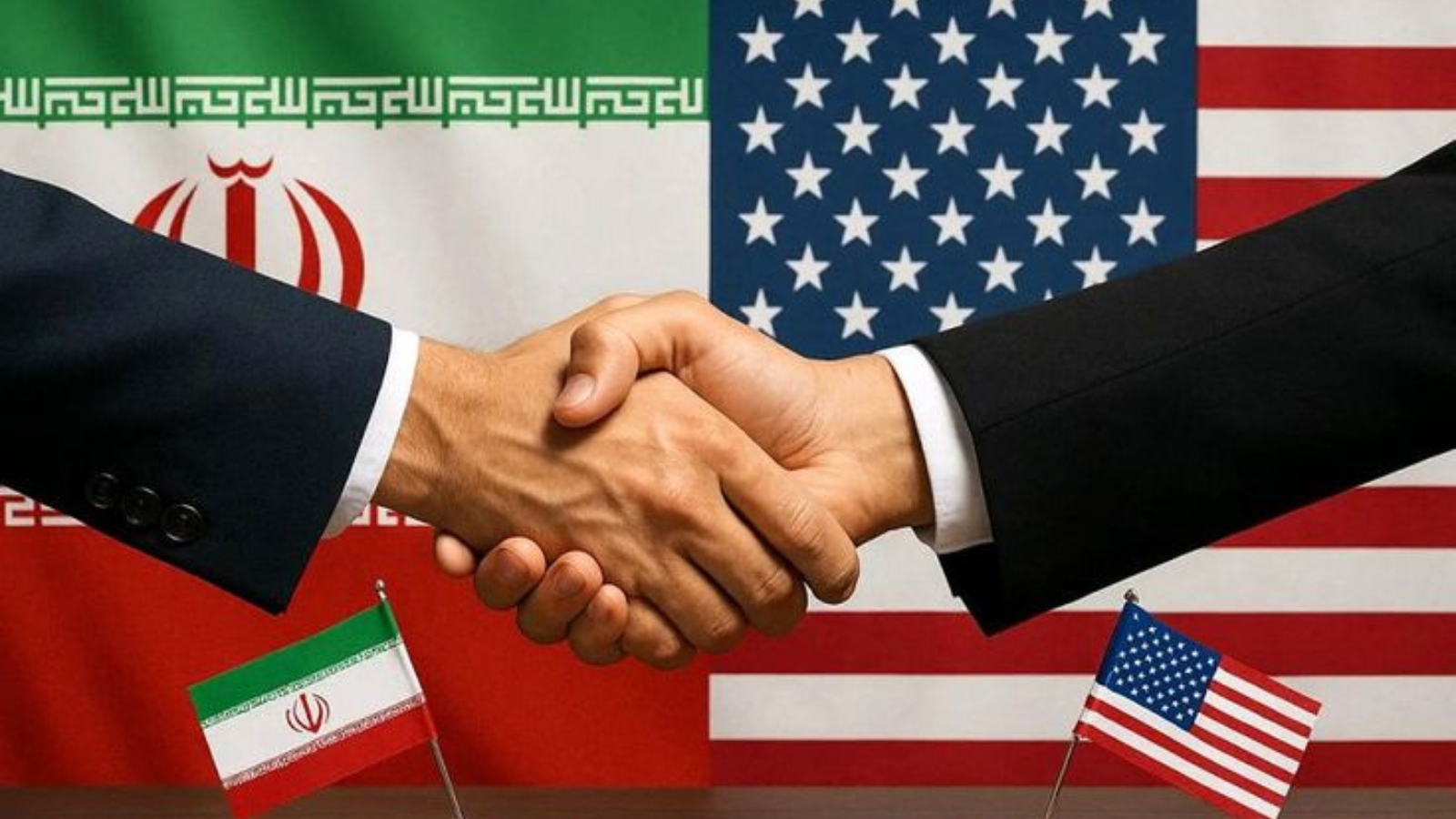
Some observers note that geopolitical dynamics still play a significant role in shaping the pace of reintegration. While economic considerations are central, political factors influence how quickly and extensively global banks are willing to reconnect. The result is a delicate balancing act between opportunity and caution, with each step forward carefully evaluated.
A Measured Path Toward Economic Renewal
The reconnection of Syrian banks to the global financial system is more than a technical development. It represents a potential turning point in the country’s economic trajectory. For individuals, it means easier access to remittances and financial services. For businesses, it opens doors to growth and collaboration. For the broader economy, it signals a gradual reintegration into international markets.
Yet, the path ahead remains complex. Economic recovery will depend on a range of factors, including policy reforms, infrastructure rebuilding, and sustained international engagement. The easing of sanctions provides momentum, but it does not guarantee a swift transformation.
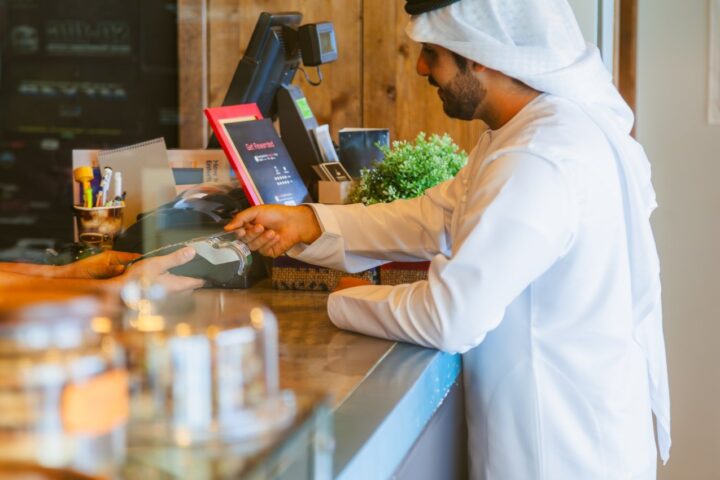
In the streets of Damascus, the change is not immediately visible, but its effects are beginning to ripple outward. Bank counters are seeing increased activity, and conversations about international transfers are becoming less abstract. These small shifts hint at a larger narrative unfolding, one in which financial reconnection serves as both a symbol and a tool for renewal.
As Syria navigates this new phase, the reopening of its banking sector stands as a cautious yet significant step forward. It is a story still in progress, shaped by both resilience and restraint, and one that will continue to evolve in the months and years ahead.