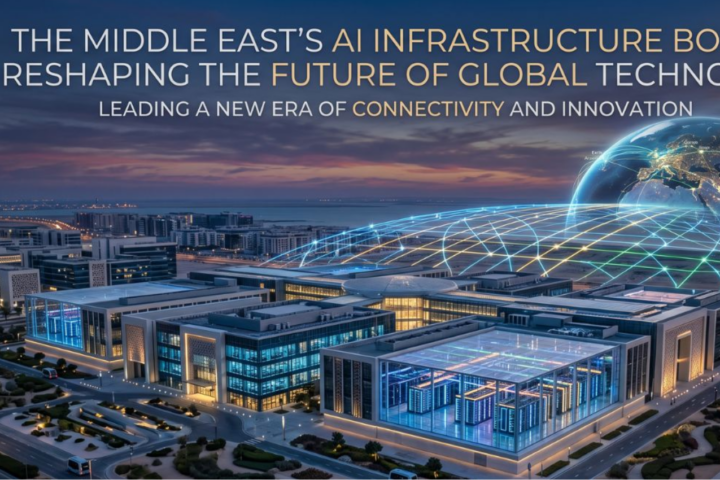



In the United Arab Emirates, a new chapter in connectivity is unfolding as satellite-powered internet begins to reach deeper into both urban centers and remote stretches of desert. The rollout marks a significant shift in how digital access is delivered across the region, particularly in areas where traditional infrastructure has struggled to keep pace with rapid development. By leveraging low-Earth orbit satellites, the service promises faster speeds and lower latency than legacy systems, positioning itself as a practical solution for both households and businesses.
The initiative arrives at a moment when the UAE continues to invest heavily in its digital economy, aiming to solidify its role as a global technology hub. Reliable, high-speed internet is no longer viewed as a luxury but as essential infrastructure. For entrepreneurs operating beyond major cities, as well as industries like logistics, energy, and tourism, expanded connectivity could reshape daily operations and open new pathways for innovation.
What makes this expansion particularly notable is its dual focus on accessibility and resilience. Satellite networks offer an alternative during outages or disruptions to terrestrial systems, adding a layer of redundancy that is increasingly valuable in a hyperconnected world. In a region known for both ambition and rapid modernization, the move aligns neatly with long-term national strategies centered on smart cities and digital transformation.
Charging Ahead in Electric Mobility
Alongside advancements in connectivity, a parallel effort is underway to accelerate electric vehicle adoption across the UAE. The introduction of complimentary fast-charging access has sparked interest among current and prospective EV owners, removing one of the key barriers to entry: charging costs and convenience. By expanding charging infrastructure and temporarily eliminating fees, the initiative creates a strong incentive for drivers to make the transition.
The UAE has already positioned itself as a regional leader in sustainability, with ambitious targets to reduce carbon emissions and diversify energy sources. Encouraging electric mobility fits squarely within this vision. The availability of free, high-speed charging not only reduces operational costs for drivers but also signals confidence in the long-term viability of EV infrastructure in the region.
This approach also reflects a broader strategy of ecosystem building. Rather than focusing solely on vehicle sales, the emphasis is on creating an integrated experience that includes energy, software, and infrastructure. For consumers, this translates into a more seamless transition to electric driving, where convenience rivals that of traditional fuel-powered vehicles.
Strategic Alignment with Regional Ambitions
The UAE’s openness to emerging technologies has made it a natural testing ground for large-scale innovation. From autonomous transport trials to AI-driven governance initiatives, the country has consistently embraced forward-looking projects. The latest developments in satellite internet and electric mobility reinforce this pattern, aligning with national goals to lead in both sustainability and digital infrastructure.
Partnerships between global technology ventures and local stakeholders have played a crucial role in enabling such projects. Regulatory flexibility, combined with strong investment in infrastructure, allows new technologies to be deployed at speed. This creates a feedback loop where successful implementations attract further innovation, strengthening the country’s position as a regional hub.
At the same time, these initiatives reflect a growing convergence between connectivity and mobility. As vehicles become more software-driven and reliant on real-time data, the importance of robust internet access extends beyond homes and offices. In this context, satellite networks and electric vehicles are not separate advancements but interconnected pieces of a broader technological ecosystem.
A Glimpse Into the Future of Urban Living
For residents and businesses alike, these developments hint at a future where technology is more deeply embedded in everyday life. Seamless internet access, regardless of location, combined with cleaner and more efficient transportation, contributes to a vision of cities that are both smarter and more sustainable. The UAE’s urban landscape, already known for its rapid evolution, stands to benefit significantly from this integration.
There is also a symbolic dimension to these moves. Large-scale deployments of cutting-edge technology send a clear message about the country’s priorities and its willingness to embrace change. In a competitive global environment, such signals matter. They influence investment decisions, attract talent, and shape perceptions of what is possible within a given market.
While challenges remain, particularly around scalability and long-term adoption, the early momentum is difficult to ignore. As connectivity expands and electric mobility gains traction, the UAE appears poised to redefine how infrastructure, technology, and sustainability intersect. What emerges is not just a story of innovation, but one of strategic vision and calculated risk-taking in pursuit of a more connected future.