

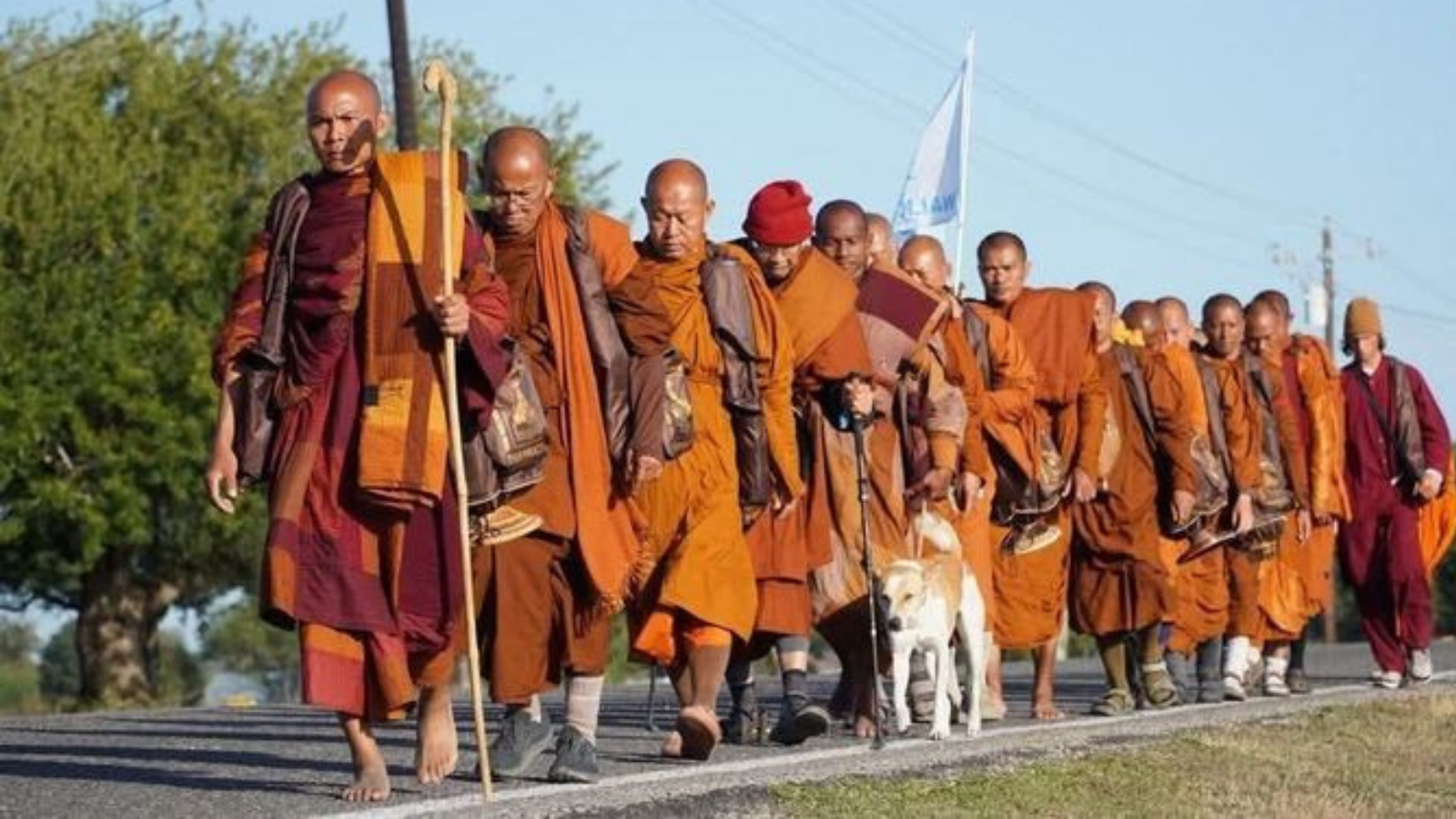

For centuries, Buddhism has been globally associated with compassion, detachment, and nonviolence. Images of saffron-robed monks in quiet meditation have shaped public perception of a religion centered on inner peace. Yet, in recent years, a more turbulent narrative has begun to surface, one that challenges these long-held assumptions and reveals a more complex reality.
Across parts of Southeast Asia, particularly in Myanmar and Sri Lanka, strands of Buddhist nationalism have taken a harder, more confrontational tone. This shift is not rooted in doctrine alone but in the intersection of religion, identity, and politics. Monks who once symbolized restraint have, in some cases, become vocal proponents of exclusionary ideologies, framing their actions as necessary to protect cultural and religious heritage.
National Identity and Religious Fear
The rise of Buddhist extremism is closely tied to anxieties about national identity. In regions where Buddhism is deeply woven into the cultural fabric, demographic changes and political instability have fueled fears of erosion. Minority groups, particularly Muslims in Myanmar and Sri Lanka, have often been cast as existential threats, despite long histories of coexistence.
This fear has been amplified by influential religious figures who command large followings. Through sermons, social media, and organized movements, these leaders have reframed Buddhist teachings to justify defensive aggression. The message is subtle but powerful: preserving the faith may require actions that contradict its foundational principles.
Governments, in some cases, have tacitly supported or failed to adequately challenge these narratives. Political leaders have recognized the mobilizing power of religious identity, especially during periods of unrest or electoral competition. This alignment between state interests and religious rhetoric has allowed extremist viewpoints to gain legitimacy and reach wider audiences.
The Role of Media and Modern Platforms
The spread of these ideas has been accelerated by digital platforms, where messages can travel faster than traditional checks on misinformation or incitement. Social media has become a key battleground, with viral posts and videos often stoking fears and reinforcing divisive narratives.
Podcasts and online discussions have also played a role in bringing these issues to global attention. Some have explored how certain factions within Buddhism have begun to reinterpret spiritual goals, suggesting that the pursuit of enlightenment can be deferred in favor of more immediate, worldly struggles. This reframing has resonated with younger audiences who are navigating identity in an increasingly polarized environment.
At the same time, international media coverage has struggled to balance nuance with urgency. Simplified portrayals risk painting entire communities with a broad brush, while overly cautious reporting can understate the severity of the issue. The result is a fragmented understanding that complicates both awareness and response.
Voices of Resistance Within the Faith
Despite these developments, many Buddhist leaders and practitioners have actively pushed back against extremist interpretations. Prominent monks and scholars have emphasized that violence and exclusion stand in direct contradiction to core teachings. Grassroots initiatives have emerged to promote interfaith dialogue and rebuild trust in affected communities.
These efforts often operate quietly, without the visibility or amplification of more sensational narratives. Yet, they represent a critical counterbalance, reminding observers that no religion is monolithic. Within Buddhism, as in any faith, there exists a spectrum of belief and practice shaped by context, leadership, and lived experience.
The challenge lies in ensuring that these moderate voices are not overshadowed. International organizations, local communities, and media outlets all play a role in amplifying perspectives that promote understanding rather than division. Addressing extremism requires not only confronting harmful rhetoric but also supporting those who advocate for a return to foundational principles.