

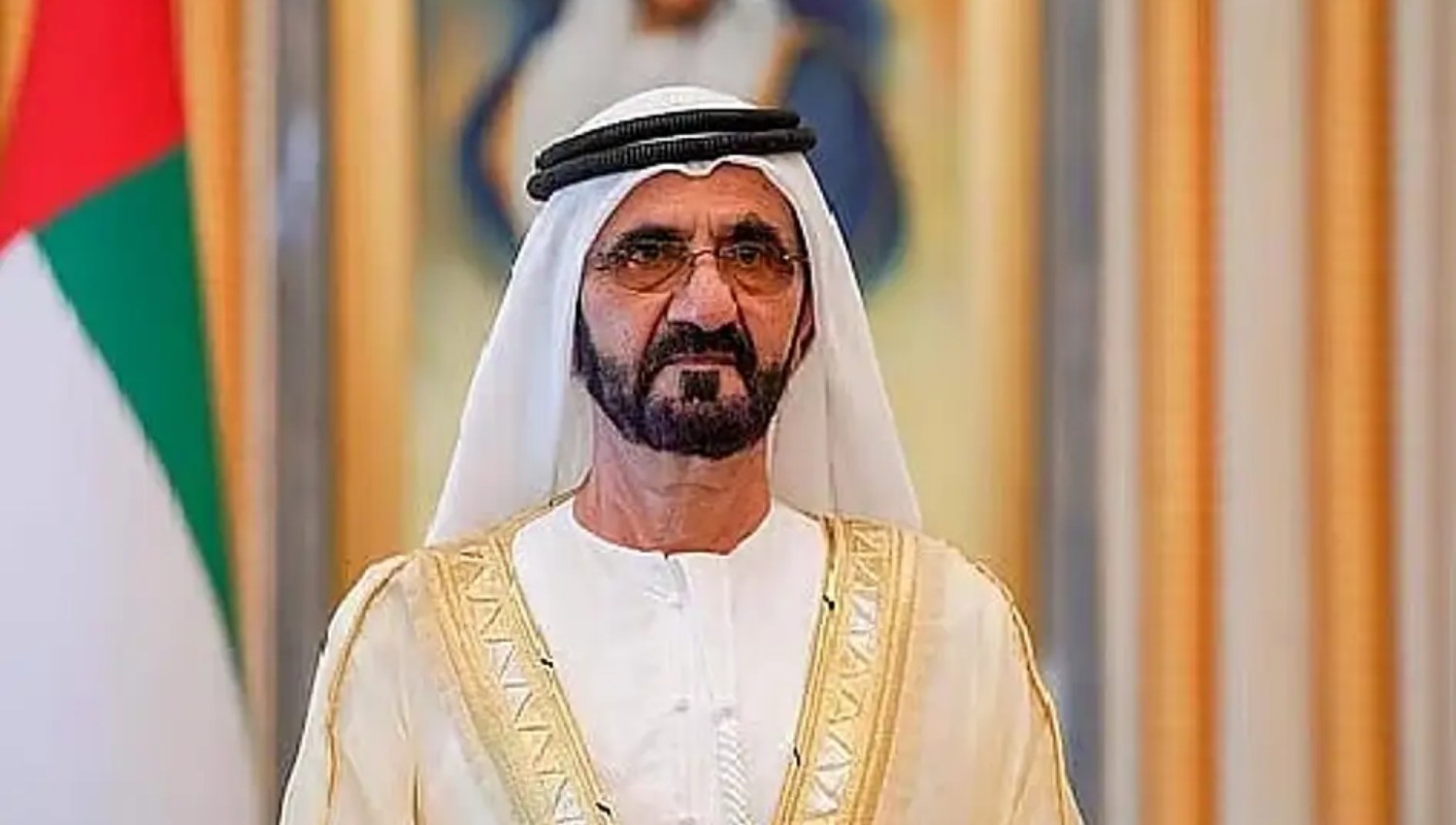
The UAE Cabinet has approved a federal budget of Dh292.5 billion, about $79.64 billion, for the three years from 2027 to 2029. Sheikh Mohammed bin Rashid Al Maktoum, Vice President and Ruler of Dubai, announced the figures on Monday, along with an annual budget of Dh90.1 billion for 2027.
In a post on X, Sheikh Mohammed said: “Our priorities remain fixed and unchanged.” He listed them as education, health, housing, social services, quality of life and the stability of citizens. According to the UAE Government Media Office, as reported by The National, the budget’s main sectors are community protection and safety, the economy of the future, future-oriented education, employment and empowerment, health and quality of life, and leadership, government affairs and international relations. Spending will also go to industry, technology, energy, infrastructure, culture, media and sports.
Khaleej Times published the breakdown of the 2027 budget. Social development and pensions receive Dh34.6 billion, or 38.4 per cent of the total. Government affairs follow at Dh29.1 billion, or 32.3 per cent, and federal expenses account for Dh17.8 billion, or 19.7 per cent. Financial assets and investments are allocated Dh5.6 billion, equal to 6.2 per cent, while infrastructure and economic resources receive Dh3 billion, or 3.4 per cent.
The media office said the approval reflects the government’s aim of balancing current development needs with a financial system built on flexibility, efficiency and sustainability, and that the budget strengthens the UAE’s position among the world’s most advanced countries. The 2027 to 2029 cycle was launched in July 2025 with a focus on sustainability, artificial intelligence and efficiency. Officials said at the time that the four previous consecutive budget cycles had brought total federal budgets to about Dh900 billion, or $245 billion.
The approval comes as the region deals with the Iran war, which began on 28 February 2026. On Monday, Fitch Ratings said the UAE’s non-oil growth model is broadly resilient to its baseline for the war, helped by the country’s role as a hub between Asia and Europe. “Fitch sees structural strengths that will support the resilience of the non-oil economy,” said Paul Gamble, a senior director at the agency. He cautioned that prolonged insecurity in the region could weaken the UAE’s logistics advantages and its appeal as a commercial, financial and tourism centre.


