

The chairman of Bahrain’s Shura Council has written to the UAE’s parliament to thank its coast guard for rescuing 22 Asian seafarers from an oil tanker that caught fire in the Arabian Gulf. Ali bin Saleh Al Saleh conveyed his appreciation in a letter to Saqr Ghobash, Speaker of the UAE’s Federal National Council (FNC), praising the speed with which the crew were brought to safety.
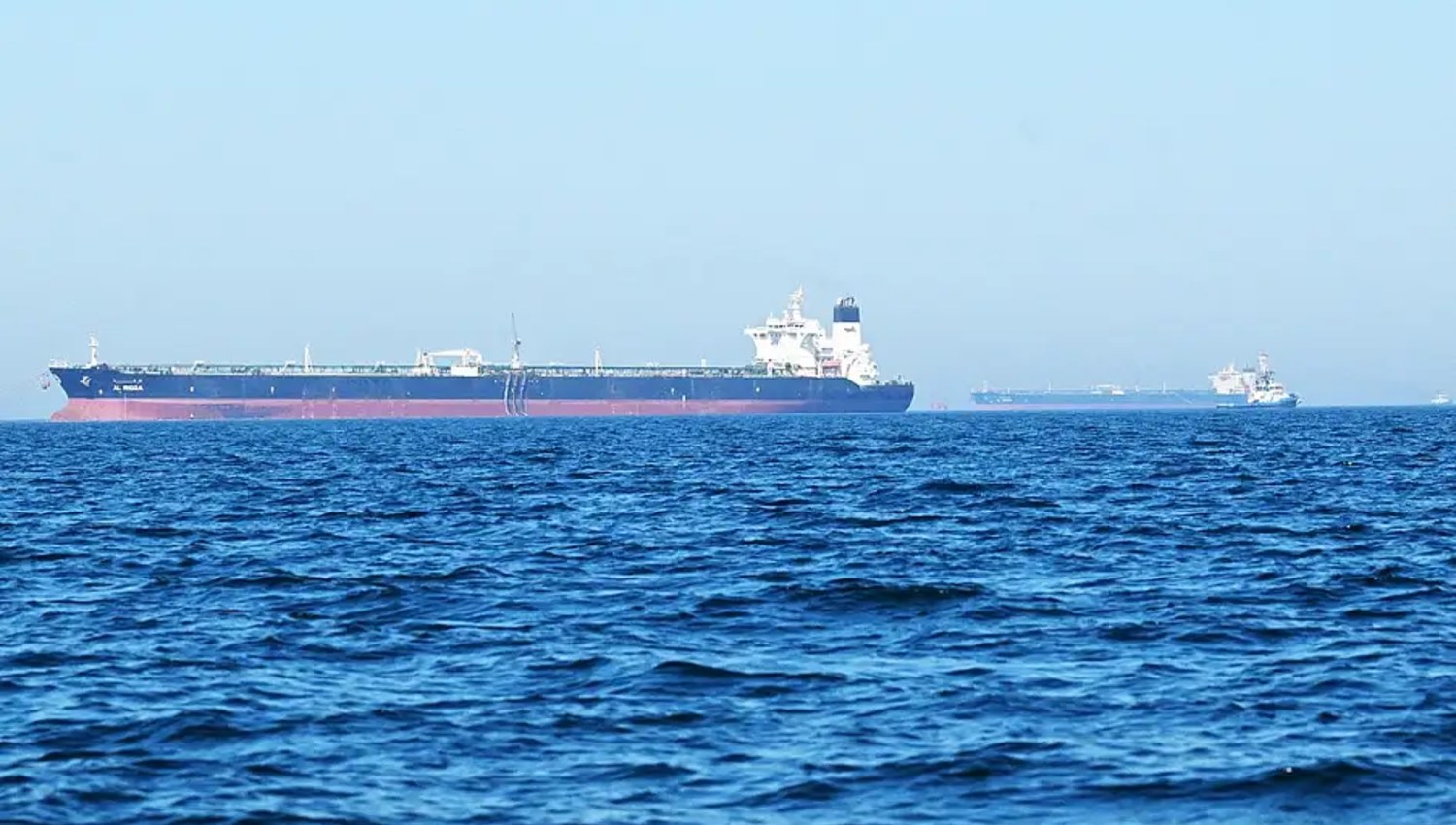
The vessel involved was the tanker MT GEM No. 2. According to the UAE National Guard, its Coast Guard Group carried out the rescue on October 10, taking all 22 crew members off the ship after the fire broke out. Once they were clear of the tanker, the sailors received first aid and were then handed over to the relevant authorities for follow-up. No member of the 22-strong crew was left aboard the burning vessel.
All 22 crew members are reported to be in a stable condition. The Indian Consulate in Dubai confirmed on October 11, the day after the rescue, that every person who had been on board the tanker was safe. Details of the Shura chairman’s letter were then released through the Emirates News Agency (WAM) on October 12, two days after the Coast Guard teams reached the ship.
In his letter to Ghobash, Al Saleh singled out the swift response of the Coast Guard teams and the efforts they made to save the crew. He said the rescue reflected the team’s readiness and its commitment to protecting human lives and to maritime safety. The message passed between the two chambers, with the head of Bahrain’s upper house of parliament writing directly to the speaker of the UAE’s federal council to record his thanks for the work of the National Guard’s sea rescue unit.
Al Saleh also used the letter to make a wider point about shipping in the region. He called for stronger regional and international co-operation to protect commercial vessels, secure shipping routes and maintain freedom of navigation in Gulf waters. Efforts of this kind, he said, help to protect global energy supplies and keep international trade moving, and they support peace and stability both in the region and further afield. The letter, as reported, did not set out specific proposals for how that co-operation should be organised or which countries should take part.