
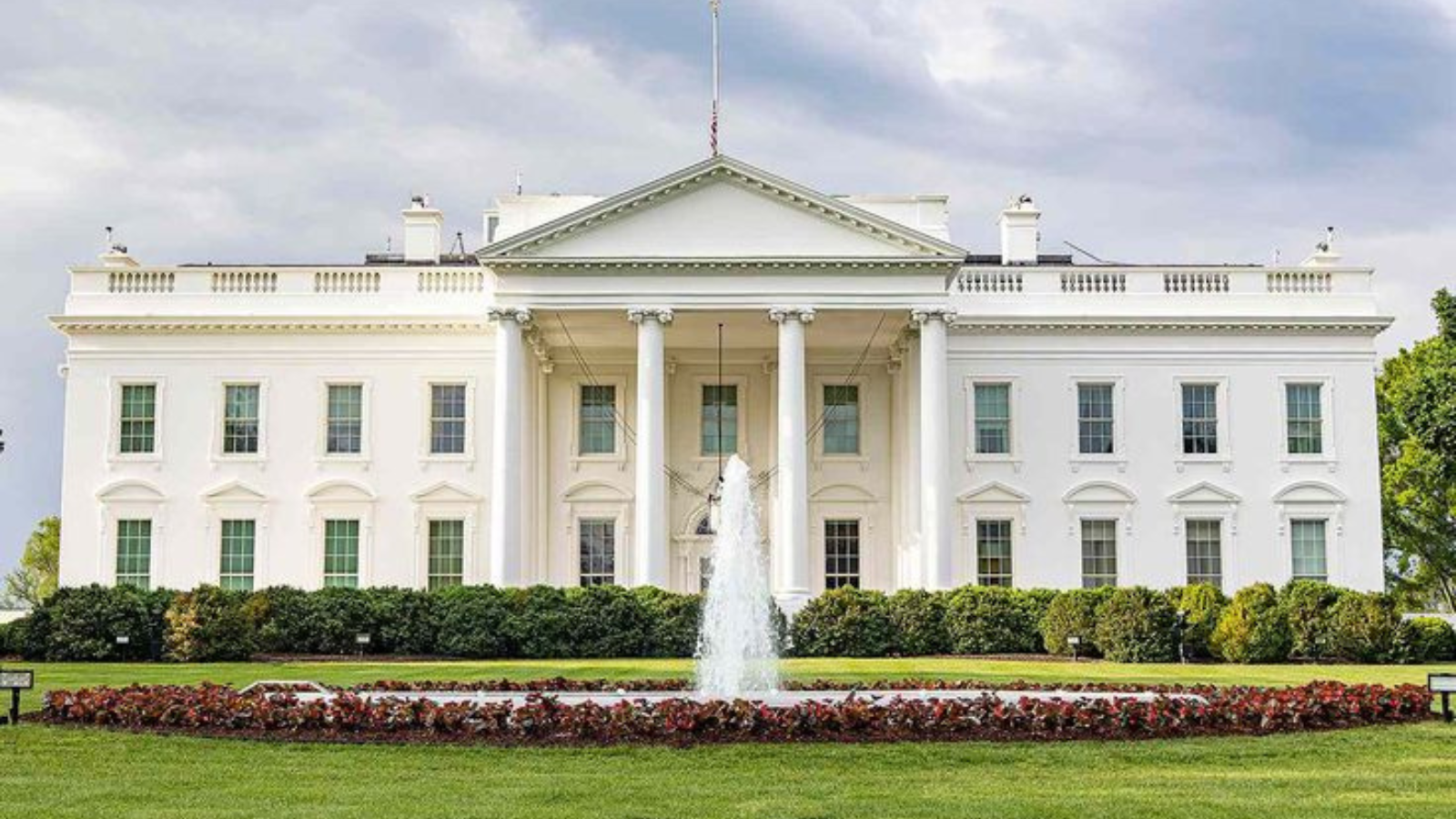

The events of January 6, 2021, remain one of the most defining and contested chapters in recent American political history. More than four years later, the conversation surrounding that day is not only about what happened, but also about how it is remembered. Inside Washington, a quieter but equally consequential effort has been unfolding: a recalibration of the official narrative, led in part by the White House and its broader communications strategy.
This evolving portrayal reflects a broader reality in politics where history is not static. It is shaped by messaging, priorities, and the shifting needs of leadership. As administrations change and political stakes rise, so too does the urgency to contextualize past events in ways that resonate with current audiences.
A Strategic Shift in Tone and Emphasis
Observers have noted a subtle but meaningful shift in how January 6 is being referenced in official statements and policy discussions. Early responses emphasized the unprecedented nature of the Capitol breach and framed it as a direct threat to democratic institutions. While that framing has not disappeared, recent messaging has leaned more toward themes of resilience, institutional strength, and national unity.
This recalibration appears deliberate. By emphasizing recovery over rupture, the administration can position itself as a stabilizing force while avoiding the political fatigue that prolonged focus on the attack can generate among the public. It also allows officials to broaden their messaging to include legislative priorities, economic recovery, and global positioning, rather than anchoring communication around a single event.
At the same time, critics argue that any softening of language risks diluting accountability. They contend that clarity in historical framing is essential not only for public understanding but also for safeguarding democratic norms. This tension between forward-looking governance and retrospective accountability continues to define the discourse.
The Role of Public Memory in Political Strategy
Public memory is not simply a record of events. It is an active and evolving construct influenced by media coverage, education, and political rhetoric. In this context, the White House plays a pivotal role in shaping how January 6 is remembered both domestically and internationally.
Through speeches, commemorations, and policy framing, the administration contributes to a narrative that balances acknowledgment with forward momentum. This approach reflects a broader communications philosophy often seen in modern governance, where leaders must simultaneously address past crises while projecting confidence in the future.
However, the fragmentation of media ecosystems complicates this effort. Different audiences receive different versions of the same story, filtered through ideological lenses and editorial priorities. As a result, the notion of a single, unified narrative becomes increasingly elusive, replaced by competing interpretations that coexist and often conflict.
Media, Messaging, and the Battle for Context
The media landscape plays a central role in amplifying or challenging official narratives. Coverage of January 6 has evolved alongside political messaging, with some outlets maintaining a focus on investigation outcomes and accountability, while others highlight broader concerns about political polarization and institutional trust.
For the White House, navigating this environment requires precision. Messaging must be consistent enough to reinforce credibility, yet flexible enough to adapt to emerging developments and public sentiment. This balancing act is particularly complex in an era where digital platforms accelerate the spread of both information and interpretation.
The interplay between government communication and media framing underscores a larger reality: history, especially recent history, is often negotiated in real time. Each statement, press briefing, and policy decision contributes to an ongoing narrative that shapes how future generations will understand the present.
Looking Ahead: Legacy and Interpretation
As the United States approaches future election cycles, the legacy of January 6 will likely remain a touchstone in political discourse. How it is framed today will influence not only voter perceptions but also the broader understanding of democratic resilience and vulnerability.
The White House’s evolving approach suggests an awareness of this long-term impact. By adjusting tone and emphasis, the administration is not erasing the past but rather repositioning it within a larger story about governance, stability, and national identity.
Ultimately, the question is not whether history can be rewritten, but how it is interpreted and who shapes that interpretation. In the case of January 6, the answer continues to unfold, shaped by a complex interplay of politics, media, and public perception.