
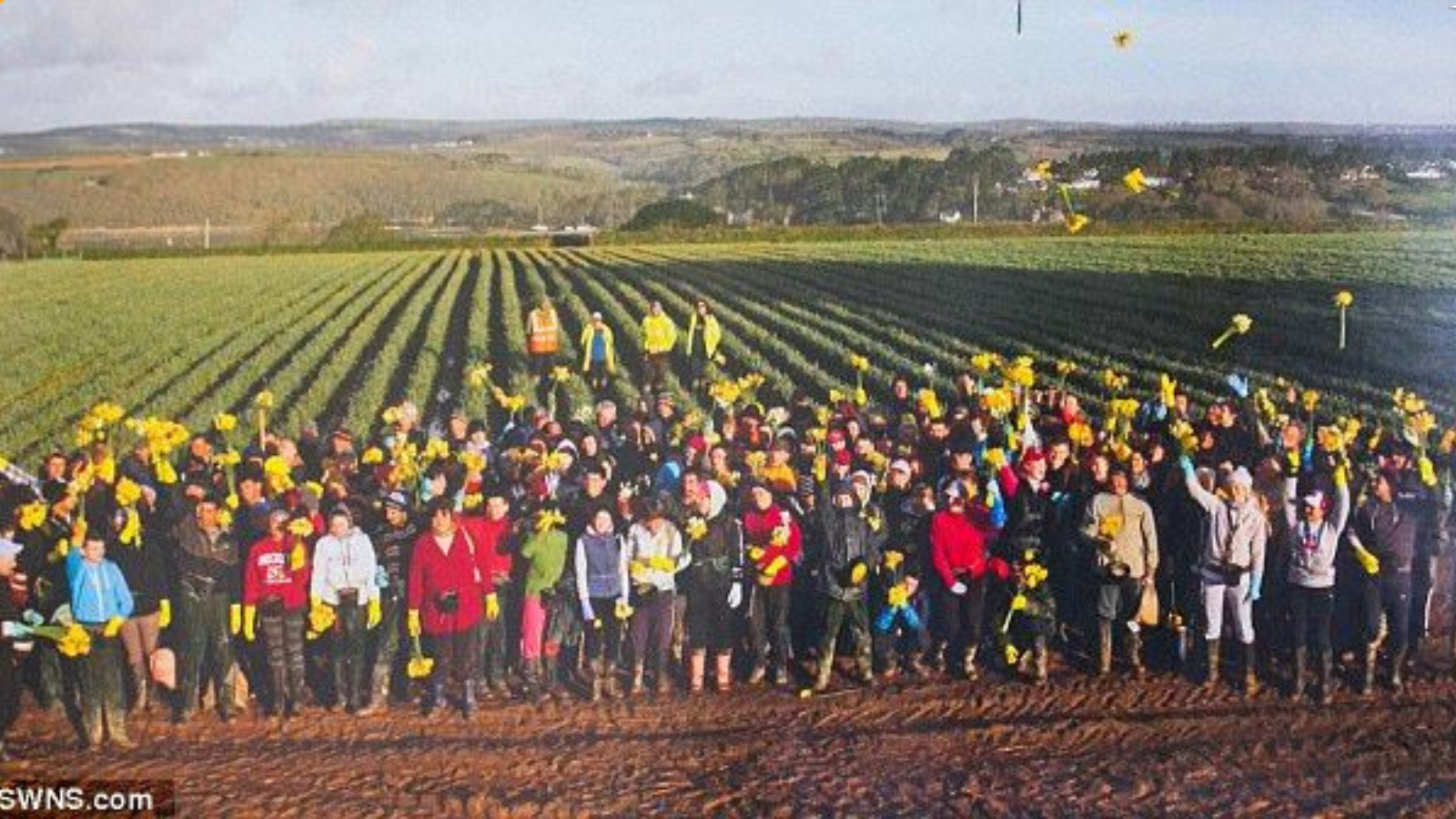

Across Ireland’s rolling countryside, a quiet unease has been building for months. That tension spilled into the streets as thousands of farmers mobilized in coordinated protests, voicing deep concern over the European Union’s proposed Mercosur trade agreement. Tractors lined major roadways, and farm organizations rallied members in one of the most visible demonstrations of agricultural unrest in recent years.
For many farmers, the issue is not simply about trade policy but about survival. Generations of family-run farms now face what they perceive as an uneven playing field. The agreement, which aims to strengthen trade ties between the EU and South American nations including Brazil and Argentina, has become a flashpoint for fears over increased imports and reduced competitiveness for local producers.
The Stakes Behind the Trade Deal
At the heart of the controversy lies the potential influx of cheaper agricultural imports, particularly beef. Irish farmers argue that production standards in Mercosur countries differ significantly from those in the EU, raising questions about fairness and food safety. While EU officials maintain that regulatory safeguards will be enforced, skepticism remains widespread within Ireland’s farming communities.
Economic pressure is another driving factor. Many farmers operate on narrow margins, already navigating rising input costs and evolving environmental regulations. The prospect of competing with lower-cost imports has intensified anxiety, with industry groups warning of long-term consequences for rural livelihoods and national food security.
Voices from the Ground
On protest lines stretching from Dublin to regional hubs, farmers spoke candidly about their concerns. Some described the agreement as disconnected from the realities of agricultural life, emphasizing the gap between policy decisions and on-the-ground impact. Others framed the protests as a necessary step to ensure their voices are heard at both national and European levels.
Farm organizations have played a central role in coordinating these demonstrations, amplifying calls for greater transparency and consultation. Their messaging has focused on fairness, sustainability, and the preservation of Ireland’s agricultural heritage. The protests have also drawn support from broader rural communities, highlighting the interconnected nature of farming and local economies.
A Broader European Debate
Ireland is not alone in its apprehension. Similar concerns have emerged in other EU member states, turning the Mercosur deal into a broader continental debate. Critics argue that trade agreements must align more closely with environmental commitments and domestic agricultural protections, particularly as climate concerns reshape policy priorities.
For policymakers, the challenge lies in balancing economic opportunity with social and environmental responsibility. While the agreement promises expanded export markets for European industries, it also underscores the complexities of global trade in an era of heightened scrutiny. The Irish protests serve as a vivid reminder that trade policy is not merely abstract economics but a deeply human issue with tangible consequences.
As negotiations continue, the voices of Ireland’s farmers have injected urgency into the conversation. Whether their concerns will reshape the final outcome remains uncertain, but their message is clear: the future of farming cannot be sidelined in the pursuit of global trade expansion.