

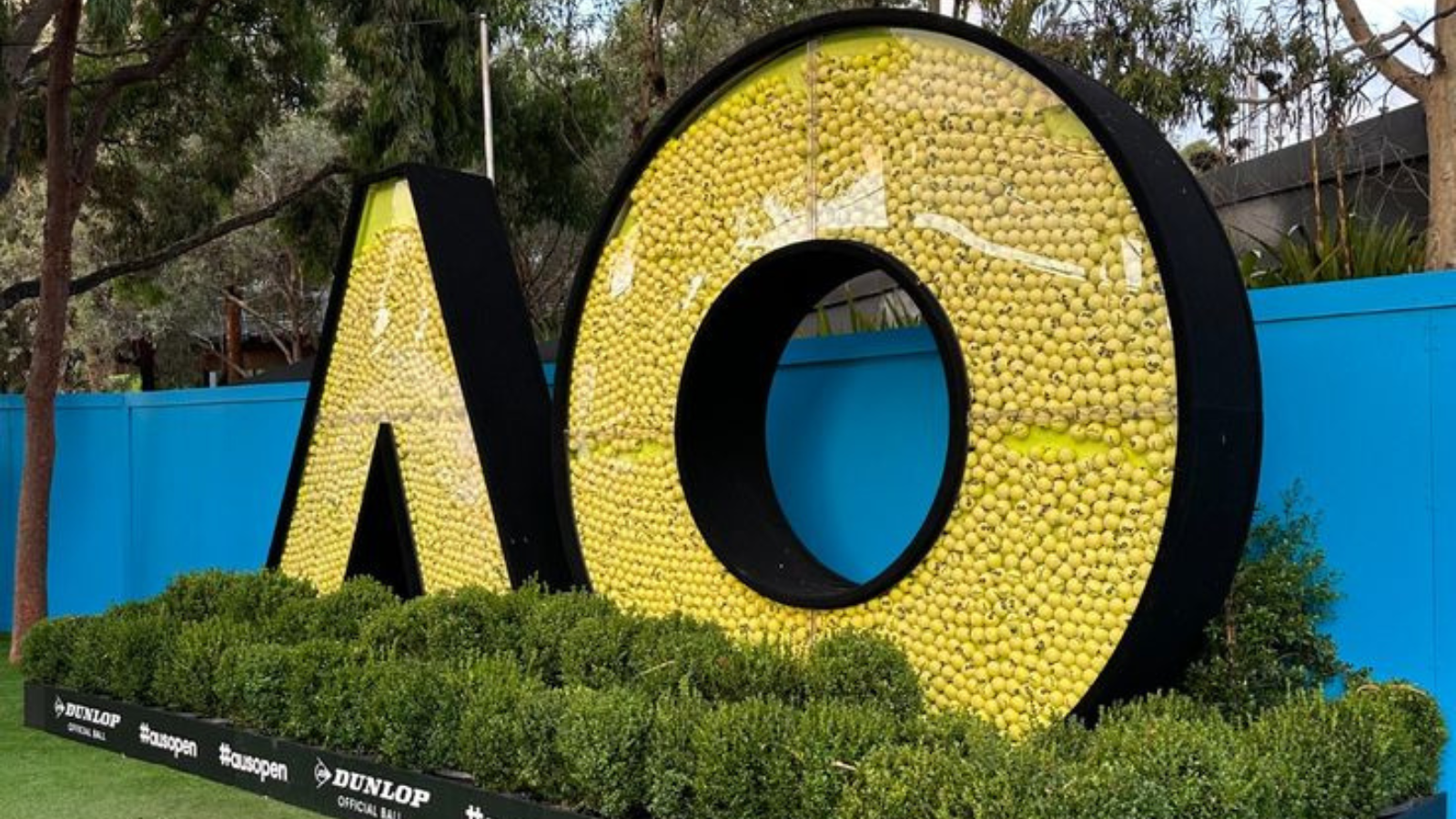

The Australian Open is often defined by endurance, both physical and mental, but this year’s tournament has taken a different turn. A string of high-profile retirements has disrupted the rhythm of competition, leaving fans and players grappling with unfinished matches and lingering questions.
Across multiple courts, matches that promised intensity instead ended prematurely. Players walked off not in defeat, but in visible frustration, citing injuries, fatigue, and in some cases, emotional strain. The abrupt nature of these exits has cast a shadow over what is typically a showcase of resilience at the start of the tennis calendar.
For spectators, the experience has been jarring. Matches that were building toward dramatic conclusions instead dissolved mid-contest. The sense of unpredictability remains, but not always in a way that serves the sport’s narrative.
“I Don’t Want To Be A Punching Bag”
One moment that captured the day’s tension came when a player, clearly overwhelmed, expressed a sentiment that resonated far beyond the court. “I don’t want to be a punching bag,” they said, voicing a frustration that speaks to the physical toll elite tennis demands.
The remark underscored a broader issue. Players are increasingly vocal about the pressures of maintaining peak performance amid packed schedules and lingering injuries. The line between pushing through discomfort and risking long-term damage has become harder to navigate.
In this instance, the decision to retire was not just about one match. It was a statement about limits. The athlete chose preservation over persistence, a choice that reflects a shifting mindset within professional sports. Competing at all costs is no longer the unquestioned standard it once was.
Physical Limits And Mental Strain Collide
Tennis has always been a sport of fine margins, where physical endurance and mental clarity must align. When either falters, the consequences are immediate and often visible. This year’s Australian Open has highlighted how quickly those margins can collapse.
The early season timing of the tournament plays a role. Many players arrive after a short offseason, still recalibrating their bodies for the demands of competition. Minor issues can escalate quickly under the pressure of five-set matches and extreme conditions.
Mental fatigue is equally significant. The global nature of the tour, combined with constant travel and scrutiny, adds layers of stress that are not always apparent. When players step onto the court, they carry more than just physical expectations. The accumulation of these factors has contributed to a tournament defined as much by withdrawals as by victories.
What It Means For The Sport Moving Forward
The wave of retirements has sparked conversation about how tennis schedules and supports its athletes. While the sport prides itself on toughness, there is growing recognition that sustainability must be part of the equation.
Organizers and governing bodies may face increasing pressure to reassess the calendar and consider player welfare more closely. This includes everything from scheduling adjustments to enhanced medical support and recovery protocols. The goal is not to diminish competition, but to ensure that it remains meaningful.
For fans, the hope is that future tournaments will deliver the full arcs of competition they expect. For players, the priority is clearer than ever. Longevity is becoming as important as immediate success. The scenes at this year’s Australian Open may ultimately serve as a turning point, prompting a more balanced approach to one of the world’s most demanding sports.