

The brief arrives in the kind of clipped email creative teams know well: the client wants a launch film, a suite of social cutdowns, half a dozen Instagram carousels and a few hyper-polished product renders, all before the end of the month. A few years ago, that would have meant a scramble for crews, studios and a calendar full of late-night edits. Today, the first move is often simpler: opening a browser tab filled with AI tools that promise to turn text prompts into video stories and still images at a pace that would have felt impossible in the last decade.
That shift is not just about novelty. For agencies, brands and independent creators, AI video and image tools in 2026 are starting to feel less like experiments and more like fixtures in the production pipeline. The most compelling platforms are defined less by gimmicks and more by how well they sit inside existing workflows, talking to editing suites, asset libraries and approval processes that have been in place for years.
From Prompt To Storyboard
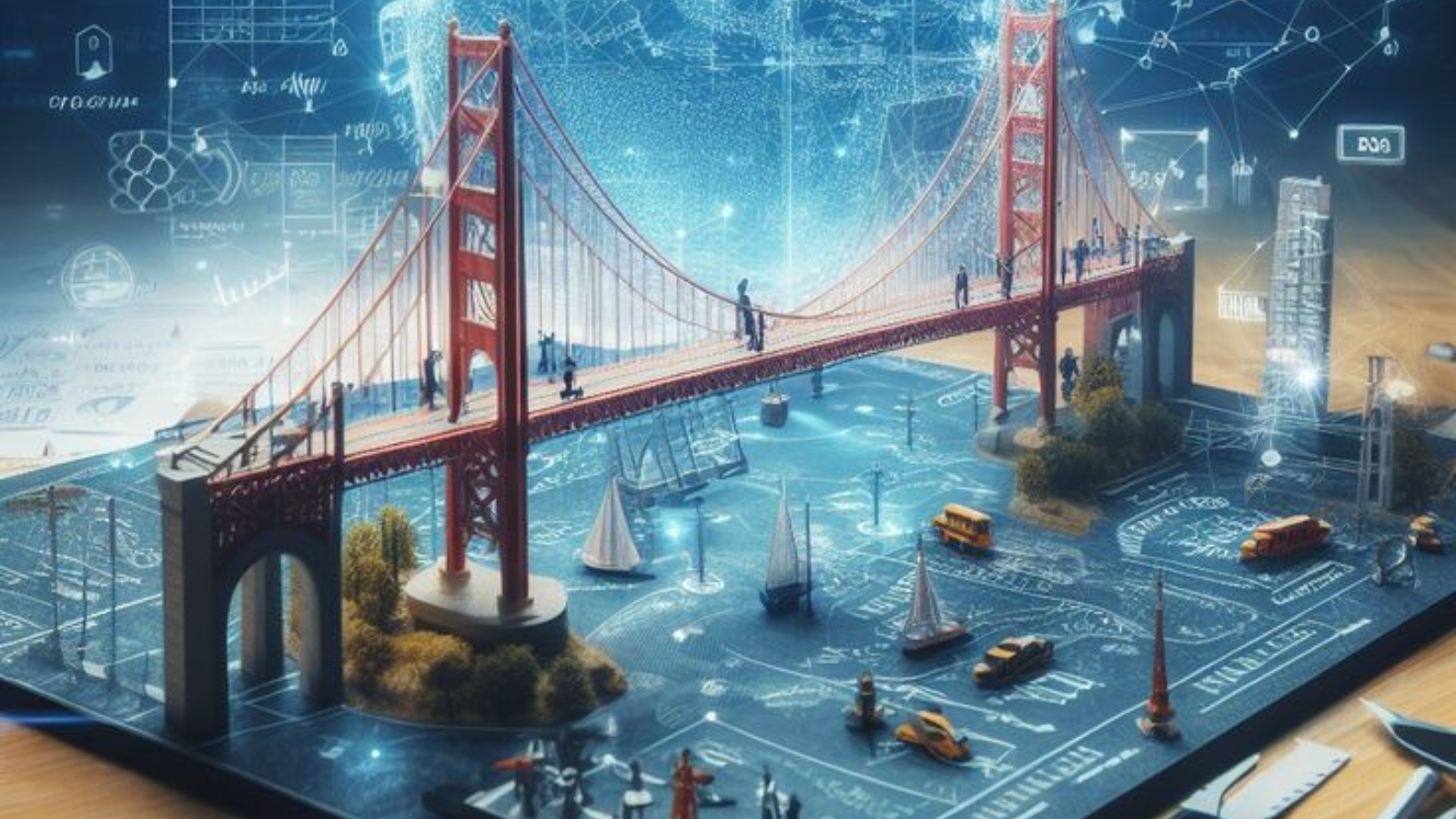
The first frontier has been pre‑production, where generative image engines now function as rapid-fire storyboard artists. Creative directors can move from a loose concept to a full visual treatment in an afternoon, iterating on camera angles, lighting styles and color palettes without booking a single shoot. The result is not just speed, but a different kind of conversation with clients, who see options rendered in near-final form rather than squinting at pencil sketches.
These tools are increasingly trained on cinematic language. Instead of asking for “a city street at night,” users specify “a tracking shot through rain-soaked neon, shallow depth of field, 35mm feel,” and receive frames that look like they have already passed through a colorist’s suite. For many art departments, the shift has blurred the line between rough comps and hero images, as AI visuals make their way not just into decks but, in some cases, into the final campaigns themselves.
That evolution has triggered a new discipline: prompt literacy. Teams are learning how to write instructions with the precision they once reserved for creative briefs, layering in references, style notes and brand cues to coax consistent output from systems that can still feel capricious in untrained hands. Agencies that mastered search engine optimization in the 2010s now find themselves fine-tuning the language that sits between human imagination and machine interpretation.
The Rise Of AI-First Production
If pre‑production has become the proving ground, full AI-generated video is the next arena. Platforms that began by animating stills or generating a few seconds of motion now deliver minute-long narratives, complete with virtual actors, simulated camera moves and dynamic lighting. While they are not yet replacing high-end commercial shoots, they are increasingly competitive for explainers, product demos and the endless stream of social-first content that brands must serve daily.
In-house marketing teams, once reliant on external studios, are leaning into these products to shrink production cycles and budgets. A product manager can type out a script in the morning and have a narrated, animated walkthrough live by the afternoon, localized into several languages by nightfall. The creative palette has widened as well: surreal visual metaphors, once too costly or complex to shoot practically, are now a few prompts away, encouraging bolder storytelling from brands that previously played it safe.
This AI‑first production model is also reshaping how success is measured. When content can be produced rapidly and at scale, the emphasis shifts from protecting a single, polished asset to testing a portfolio of variations in the wild. Marketers are watching which version of a video hook keeps viewers watching past the first three seconds, then feeding those findings back into their next round of prompts, creating a feedback loop between performance data and creative direction.
Creators, Ethics And The New Visual Economy
Behind the glossy outputs sits a more complex story about authorship, labor and taste. Professional illustrators and motion designers, once gatekeepers of high-end visuals, are navigating a landscape where their skills are augmented but also challenged by software that can produce on‑trend imagery in seconds. For many, the response has been to move up the value chain, focusing on concept development, visual strategy and the human judgment that still separates disposable content from enduring brand narratives.
At the same time, there is growing scrutiny of the data used to train these tools. Questions about consent, compensation and the replication of living artists’ styles have moved from niche forums into mainstream industry panels and policy discussions. Several leading platforms now promote “ethically sourced” or proprietary training sets, hoping to reassure clients wary of reputational risk or future legal headaches tied to AI-generated creative.
Consumers, too, are developing a sharper eye. In certain contexts, audiences embrace the surreal fingerprints of machine-made imagery, particularly in entertainment and fashion, where the uncanny can be a feature rather than a bug. In others, notably news and political communication, the expectation of authenticity remains fierce, forcing publishers and platforms to experiment with labeling, disclosure and new verification standards as AI visuals become harder to distinguish from traditional photography and video.
Where AI Visuals Go Next
Looking ahead, the most significant change may be less about individual tools and more about how invisible they become. Editing suites, design platforms and even presentation software are weaving AI video and image capabilities into their core interfaces, so that users slide from trimming clips to generating new ones without consciously switching applications. The era of standalone AI generators may give way to a world where every creative tool quietly negotiates between what has been shot and what can be synthesized.
For brands and agencies, that raises a different set of questions. Governance, brand safety and model selection are suddenly strategic decisions, not just technical preferences. Some are building internal guidelines for when AI imagery is appropriate, when real footage is non‑negotiable and how to disclose machine involvement without breaking the spell of the story.