
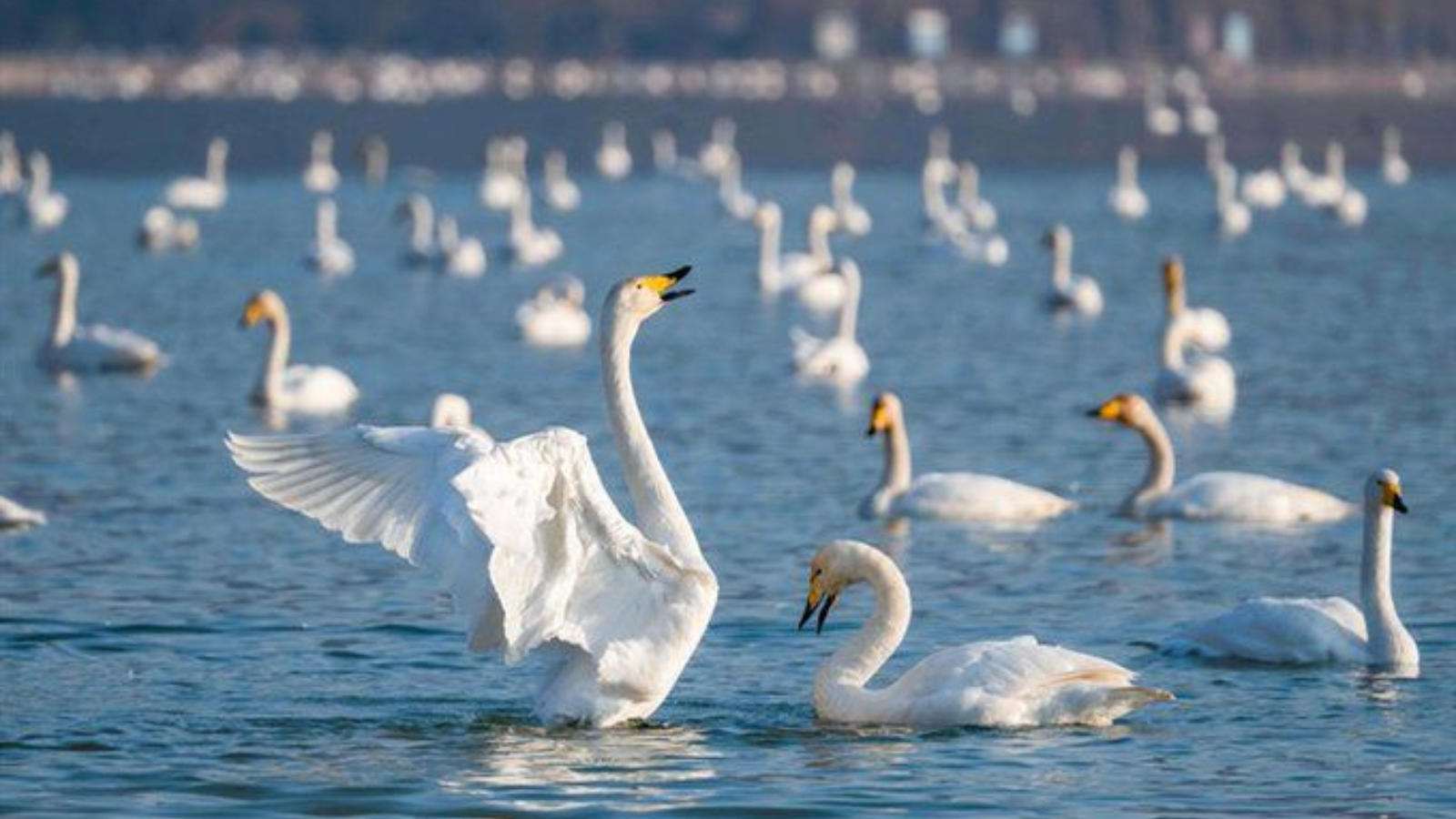

Every six years, a quiet yet highly coordinated effort unfolds across wetlands, estuaries, and inland waterways in the United Kingdom and Ireland. Conservationists, volunteers, and ornithologists come together to conduct a comprehensive census of wintering swan populations. This long-standing initiative offers more than a simple headcount. It serves as a critical lens into the health of ecosystems and the broader environmental changes shaping bird migration.
The census focuses primarily on species such as the whooper swan and Bewick’s swan, both of which migrate from Arctic breeding grounds to milder climates during winter. These birds have long been indicators of ecological balance, their migratory habits reflecting subtle and sometimes dramatic shifts in climate and habitat conditions. Over decades, the six-year cycle has allowed researchers to build a robust dataset that tracks trends with remarkable clarity.
What makes this effort particularly significant is its consistency. By maintaining the same methodology across cycles, conservation groups can draw reliable comparisons over time. This continuity has become increasingly valuable as environmental changes accelerate, offering a rare long-term perspective in a rapidly evolving natural world.
Diverging Trends Across Regions
Recent findings from the latest census have revealed a complex and somewhat concerning picture. While some regions report stable or even increasing numbers of wintering swans, others are experiencing noticeable declines. This divergence highlights the uneven impact of environmental pressures across the UK and Ireland.
In parts of Ireland, for example, certain wetlands continue to provide favorable conditions, supporting relatively stable populations. Abundant food sources and protected habitats have contributed to these positive trends. However, in other areas, particularly in eastern England, numbers have declined significantly. Researchers point to a combination of factors, including habitat loss, agricultural intensification, and changing weather patterns.
Climate change plays a central role in these shifting dynamics. Warmer winters in continental Europe have altered migratory routes, with some swans opting to remain closer to their breeding grounds rather than traveling to traditional wintering sites. This shift not only affects population counts but also disrupts established ecological relationships, underscoring the interconnected nature of these changes.
The Human and Environmental Factors at Play
Beyond climate, human activity continues to shape the fortunes of wintering swans. Land use changes, particularly the expansion of intensive farming, have reduced the availability of suitable feeding grounds in some regions. Wetland drainage and development have further fragmented habitats, making it more difficult for swans to find safe and resource-rich environments.
At the same time, targeted conservation efforts have demonstrated that positive outcomes are possible. Protected areas, habitat restoration projects, and community engagement initiatives have all contributed to stabilizing or even increasing populations in certain locations. These successes highlight the importance of sustained investment in conservation and the role of local stewardship in preserving biodiversity.
The census itself relies heavily on volunteer participation, reflecting a broader cultural commitment to wildlife conservation in both countries. This collective effort not only generates valuable data but also fosters public awareness and engagement. In an era where environmental issues can feel abstract or distant, the tangible act of counting swans brings these challenges into sharper focus.
Looking Ahead: What the Data Signals
As the latest census data continues to be analyzed, researchers are increasingly focused on what these findings mean for the future. The diverging trends observed across regions suggest that a one-size-fits-all approach to conservation will be insufficient. Instead, strategies must be tailored to local conditions while remaining informed by broader environmental patterns.
There is also a growing recognition of the need for international collaboration. Since these swans migrate across multiple countries, their conservation cannot be confined to national borders. Coordinated efforts across Europe will be essential to address the underlying drivers of change, from climate shifts to habitat management.
Ultimately, the six-year census serves as both a diagnostic tool and a call to action. It reveals not only where swan populations are thriving or struggling but also why these patterns are emerging. For policymakers, conservationists, and the public alike, the message is clear. Sustained attention and adaptive strategies will be necessary to ensure that these iconic birds continue to grace the winter landscapes of the UK and Ireland for generations to come.