


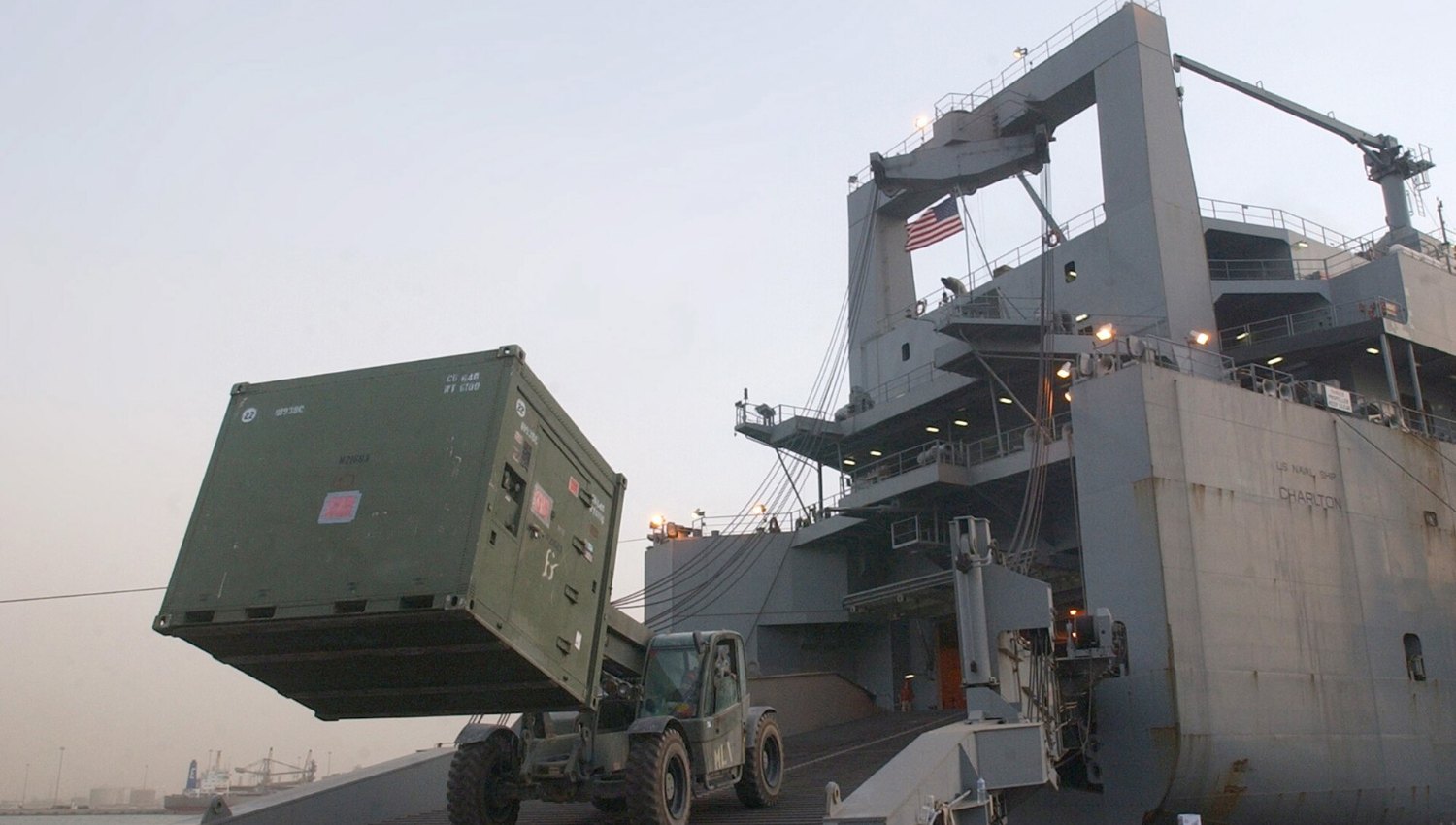
Trade has always been the Gulf’s oldest business, and the region is using it again to remake its place in the world. A wave of new agreements and deepening commercial ties is redrawing the map of economic alliances, positioning the Gulf states as connective hubs between Asia, Europe, and Africa rather than mere exporters of oil.
The strategy reflects geography put to work. Sitting at the crossroads of major trade routes, the Gulf has invested heavily in the ports, logistics, and free zones that turn location into advantage. The aim is to become indispensable to the movement of goods and capital, a role that outlasts any single commodity.
New trade frameworks with partners across several continents give the ambition structure. By lowering barriers and formalising ties, the Gulf states are locking in relationships that spread their economic bets across many markets rather than a few. Diversification of trading partners, like diversification of industries, is a hedge against an uncertain future.
The approach is not without friction, as competing regional interests and global uncertainty complicate any long-term plan. But the direction is consistent with everything else the Gulf is attempting, a deliberate effort to convert wealth and position into lasting relevance. In trade, as in finance, the region is betting that being essential to global commerce is the surest form of security.