

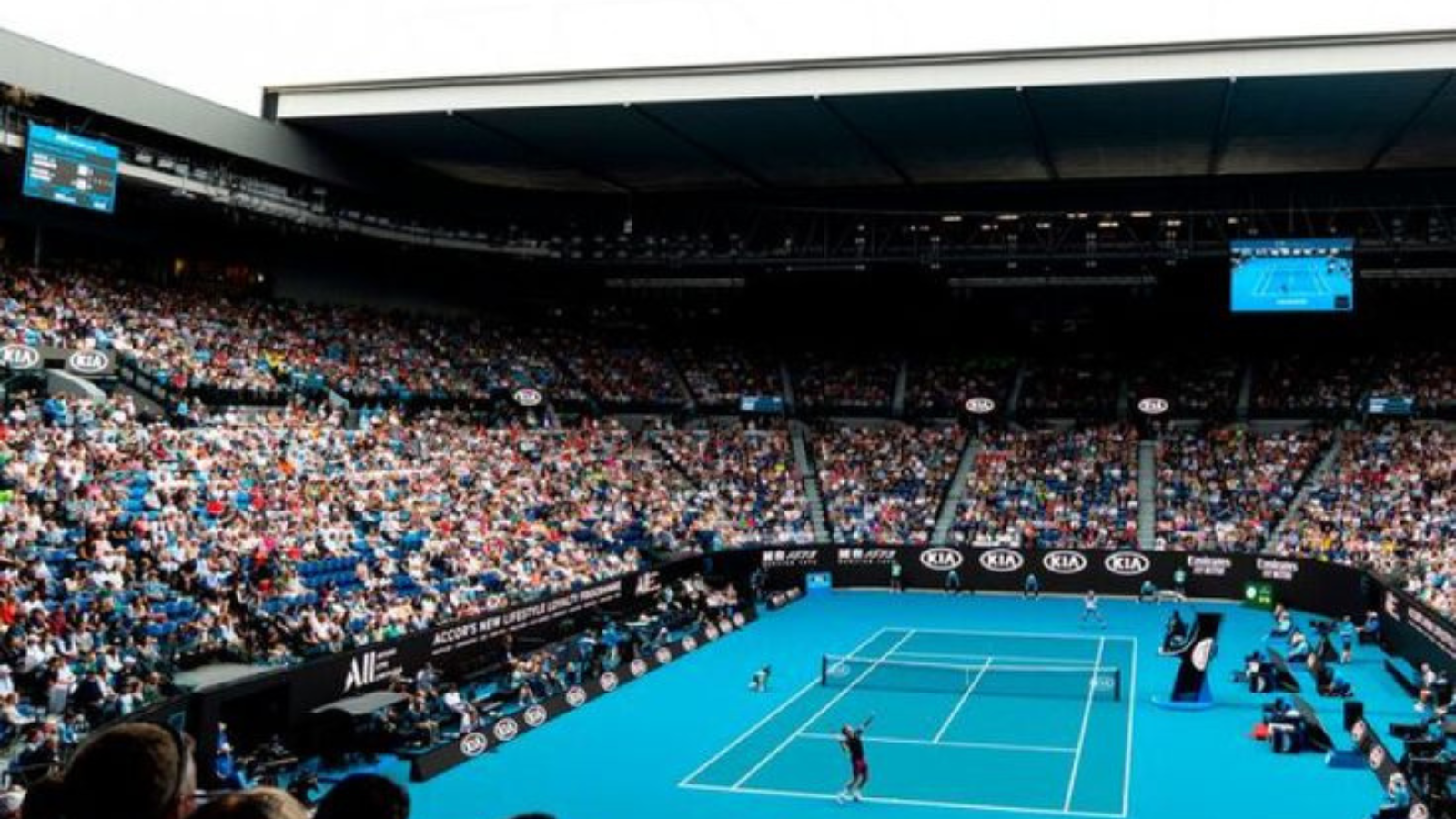

The Australian Open opened its gates this year with a surge of enthusiasm that quickly turned into logistical strain, as thousands of fans lined up for hours under the Melbourne sun. What was meant to be a celebratory return to peak attendance instead exposed gaps in crowd management, with entry queues stretching far beyond expectations. Attendees reported waiting times that rivaled peak-hour commutes, raising concerns among organizers and spectators alike.
For many, the experience was a mix of excitement and frustration. Families arrived early hoping to secure prime access to outer courts, only to find themselves caught in slow-moving lines. Social media became a real-time outlet for updates, with images of dense crowds and delayed entry amplifying the situation. The tournament’s popularity was never in question, but the infrastructure struggled to keep pace with the volume.
Organizers Respond With Immediate Operational Changes
In response to the opening day bottlenecks, Tennis Australia moved swiftly to recalibrate its entry procedures. Additional gates were opened, staffing was increased, and digital ticket scanning systems were optimized to accelerate the flow of spectators. Officials acknowledged the delays and emphasized their commitment to improving the on-site experience as the tournament progresses.
The adjustments were not merely reactive but strategic. Event planners began reassessing crowd distribution patterns, particularly during high-demand sessions featuring marquee players. By redirecting foot traffic and enhancing communication through mobile alerts and on-ground signage, organizers aimed to minimize congestion and restore confidence among attendees. Early indications suggested that these measures led to smoother entry on subsequent days.
The Balance Between Popularity and Preparedness
The Australian Open has long positioned itself as the most accessible of the Grand Slams, known for its open grounds and vibrant fan culture. This year’s turnout reaffirmed its global appeal, but it also highlighted the delicate balance between inclusivity and operational readiness. As live events continue to rebound post-pandemic, demand is surging in ways that challenge even seasoned organizers.
Industry experts note that large-scale sporting events are increasingly reliant on predictive analytics and real-time data to manage crowds effectively. While the Australian Open has invested in technology, the opening day scenario revealed the limitations of forecasting in the face of unpredictable attendance spikes. The lesson, many suggest, is not about limiting access but about building more adaptive systems that can respond dynamically.
A Defining Moment for Fan Experience Strategy
Beyond the immediate fixes, the incident has sparked broader conversations about the future of fan engagement at major tournaments. Spectators today expect seamless experiences, from digital ticketing to minimal wait times, and any disruption can quickly shape public perception. For a tournament of this stature, maintaining a reputation for excellence extends beyond the court.
Tennis Australia now faces an opportunity to turn a challenging start into a case study in responsiveness. By demonstrating agility and transparency, the organization can reinforce trust among its audience while setting new benchmarks for event management. As the matches unfold and the crowds continue to pour in, the focus will remain not only on the athletes but also on how effectively the tournament adapts to its own success.