
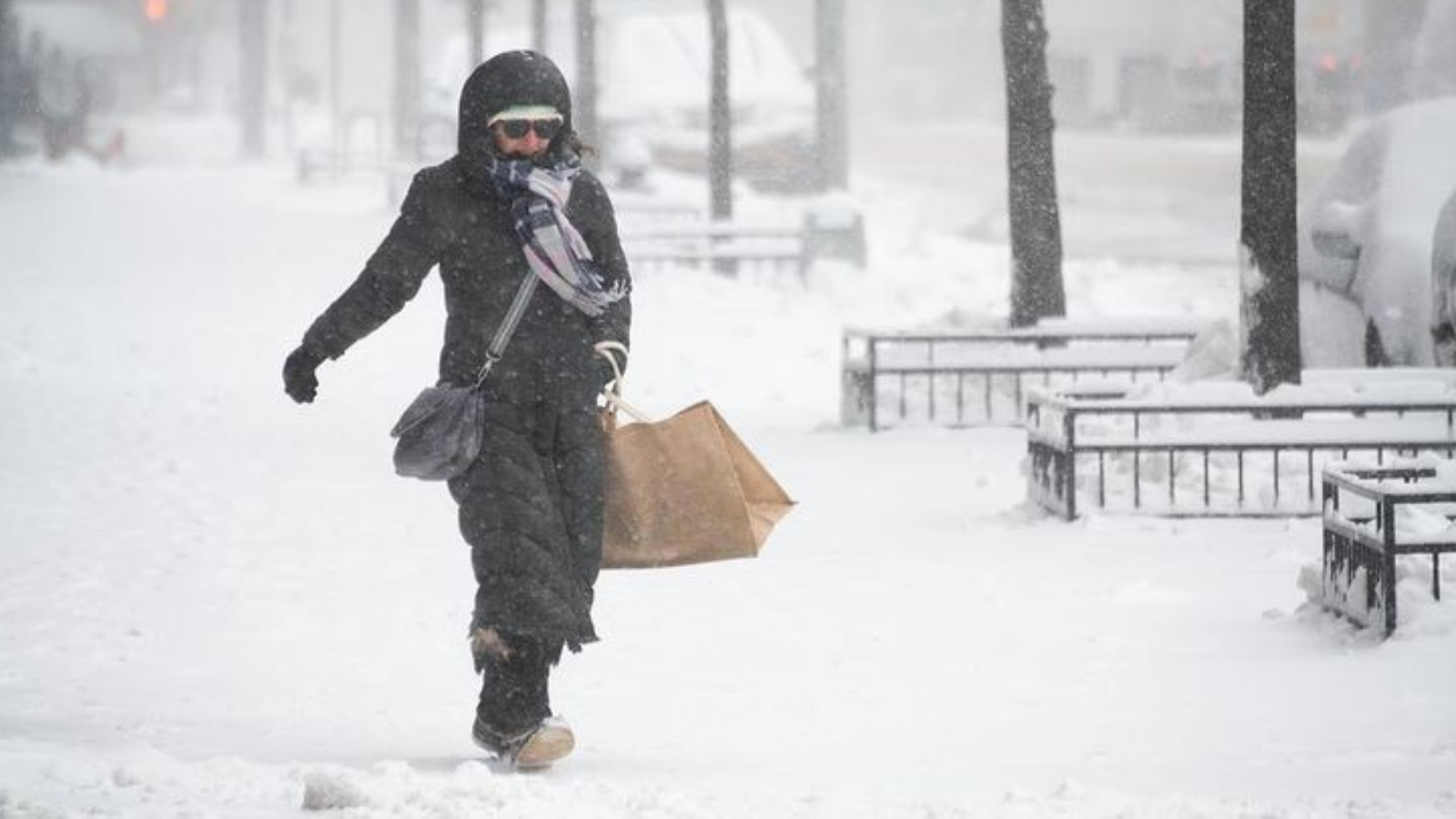

Just as many communities along the Eastern United States began to anticipate a gradual transition toward milder conditions, a sharp and unexpected cold front has rewritten the seasonal script. Meteorologists are now tracking a powerful Arctic surge pushing southward, bringing with it dangerously low temperatures and renewed winter intensity that few had fully prepared for.
Cities that had already begun thawing from earlier cold spells are once again facing subfreezing conditions, with forecasts warning of prolonged exposure to icy air masses. The abrupt return of winter has caught both residents and local authorities off guard, forcing a rapid recalibration of daily routines, infrastructure readiness, and public safety measures.
Communities Confront the Cold Reality
Across major metropolitan areas and smaller towns alike, the human impact of the deep freeze is becoming increasingly visible. Homeless shelters are expanding capacity, emergency services are issuing cold weather advisories, and energy demand is climbing as households rely heavily on heating systems to withstand the chill.
For many families, the return of severe winter conditions is more than an inconvenience. It disrupts work schedules, school operations, and travel plans, creating a ripple effect that extends well beyond the immediate discomfort of low temperatures. Local governments are also mobilizing resources to address potential hazards such as icy roads, power outages, and strained public utilities.
Economic Ripples and Infrastructure Strain
The economic implications of this renewed cold wave are beginning to surface, particularly in sectors sensitive to weather disruptions. Transportation networks are facing delays and cancellations, while supply chains are experiencing bottlenecks due to hazardous conditions. Businesses that rely on steady foot traffic, especially in retail and hospitality, are seeing a temporary slowdown as consumers opt to stay indoors.
Meanwhile, energy providers are under increasing pressure to meet heightened demand. The strain on power grids raises concerns about potential outages, particularly in areas already vulnerable to infrastructure limitations. This resurgence of extreme winter weather highlights ongoing challenges in balancing energy resilience with growing consumption needs during peak periods.
A Broader Climate Conversation Emerges
While immediate concerns focus on safety and adaptation, the return of intense winter conditions is also reigniting broader discussions about climate variability. Experts emphasize that such extreme fluctuations, including sudden cold snaps, are consistent with evolving climate patterns that produce greater unpredictability rather than uniform warming.
The current freeze serves as a reminder that climate change does not eliminate winter severity but can instead amplify its extremes. For policymakers and communities, this underscores the importance of long-term preparedness strategies that account for both ends of the temperature spectrum.
As the Eastern United States navigates this latest bout of winter intensity, resilience is once again being tested. The coming days will determine not only how effectively regions can respond to immediate challenges but also how they adapt to an increasingly volatile climate landscape.