

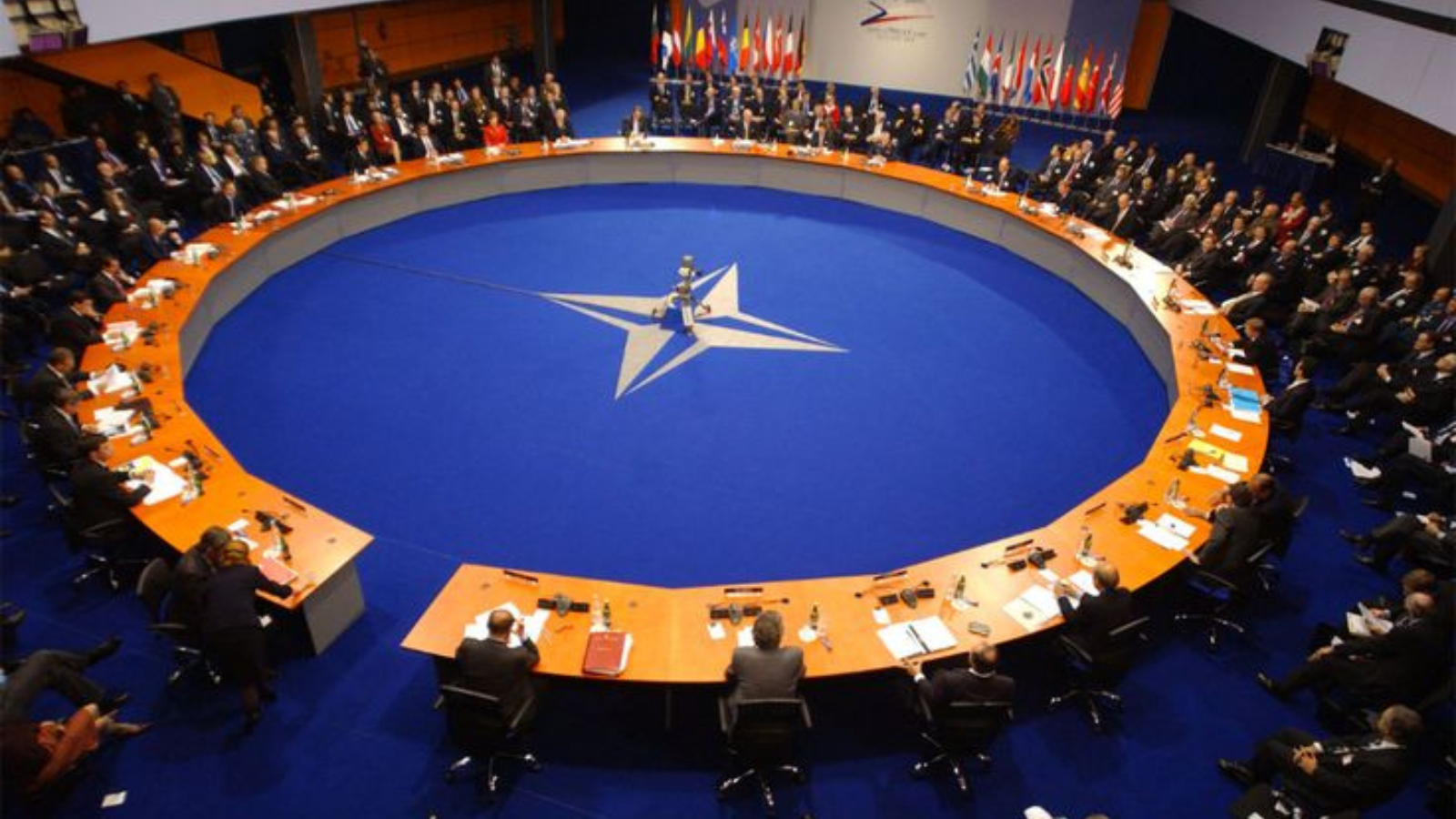

The idea of American renewal has resurfaced with urgency, shaped not only by domestic recalibration but by a shifting international order that demands clarity of purpose. In recent years, the United States has found itself navigating a more complex geopolitical terrain, where traditional alliances are tested and emerging powers assert influence with confidence. Against this backdrop, a revitalized approach to leadership is no longer aspirational. It is strategic necessity.
At its core, renewed leadership is not about dominance, but direction. Policymakers and analysts increasingly emphasize the importance of consistency in foreign policy, particularly in reinforcing trust among allies. This means recommitting to multilateral institutions, strengthening diplomatic ties, and ensuring that economic partnerships reflect long-term shared interests rather than short-term gains.
The narrative of revival is also tied to credibility. Global audiences are paying closer attention to whether American values align with its actions. The emphasis on democratic principles, transparency, and accountability is not simply rhetorical. It forms the foundation of influence in a world where soft power often carries as much weight as military capability.
Strategic Alliances in a Fragmented World
The modern geopolitical landscape is defined by fragmentation. Regional conflicts, economic rivalries, and technological competition have created a multipolar environment that challenges the post-Cold War consensus. In this context, alliances are no longer static agreements but evolving partnerships that require active cultivation.
Across Europe and the Indo-Pacific, the United States has sought to reaffirm its commitments, recognizing that stability depends on collective action. This includes deeper cooperation on security frameworks, intelligence sharing, and economic resilience. The expansion of strategic dialogues reflects an understanding that no single nation can address global challenges in isolation.
At the same time, new alliances are taking shape. Partnerships focused on emerging technologies, climate initiatives, and supply chain security signal a broader definition of national interest. These collaborations extend beyond traditional defense arrangements, illustrating how leadership today is as much about innovation and adaptability as it is about strength.
The effectiveness of these alliances ultimately depends on trust. Consistent engagement, clear communication, and mutual respect are essential in maintaining cohesion. As global uncertainties persist, the durability of these relationships will be a key indicator of American influence.
Economic Strength as a Diplomatic Tool
Economic policy has become a central pillar of global leadership. Trade agreements, investment strategies, and technological development are increasingly intertwined with foreign policy objectives. For the United States, leveraging economic strength is not simply about growth at home but about shaping international norms.
Recent efforts have focused on securing supply chains, particularly in critical industries such as semiconductors and energy. These initiatives reflect a broader recognition that economic vulnerabilities can translate into strategic risks. By investing in domestic capabilities while fostering international cooperation, the United States aims to balance resilience with openness.
At the same time, economic engagement serves as a bridge to emerging markets. Expanding trade relationships in regions such as Southeast Asia, Africa, and Latin America provides opportunities for mutual development while reinforcing American presence. These partnerships are not without challenges, but they highlight the importance of economic diplomacy in a competitive global environment.
The interplay between economic policy and global leadership also extends to technological innovation. As digital infrastructure becomes increasingly central to national security, the United States is positioning itself at the forefront of setting standards and promoting responsible use of technology. This approach underscores the evolving nature of influence in the twenty-first century.
Reimagining Leadership for a New Era
The concept of leadership itself is undergoing transformation. Traditional measures of power, while still relevant, are being complemented by new indicators such as adaptability, collaboration, and credibility. For the United States, this shift presents both challenges and opportunities.
Domestic cohesion plays a critical role in shaping international perception. A nation that demonstrates stability and unity is better positioned to lead on the global stage. This has prompted renewed attention to internal dynamics, including economic equity, political discourse, and institutional trust. These factors, while often viewed as domestic concerns, have direct implications for foreign policy.
Equally important is the ability to listen. Effective leadership in today’s world requires an openness to diverse perspectives and a willingness to engage in dialogue. This is particularly evident in areas such as climate change and global health, where collective action is essential. By embracing a more inclusive approach, the United States can strengthen its role as a partner rather than simply a power.
Looking ahead, the path to renewed leadership will not be defined by a single policy or initiative. It will emerge from a sustained commitment to engagement, innovation, and principle. In a world marked by uncertainty, the ability to adapt while remaining grounded in core values may prove to be the defining feature of American influence.