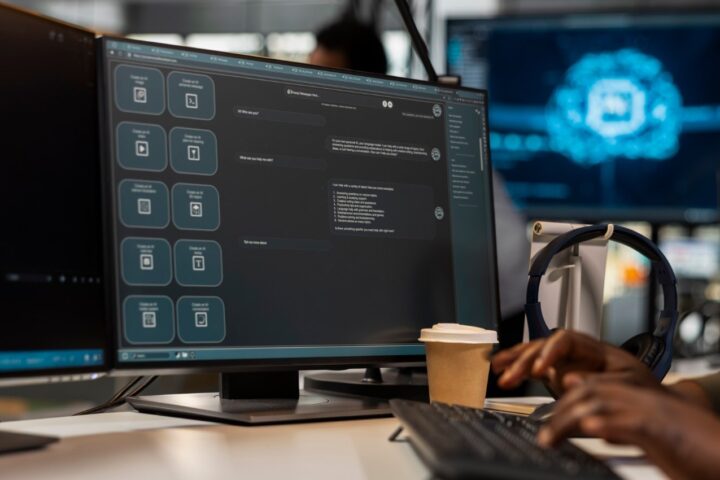


When a shopper asks an AI assistant for a gift idea and finishes the purchase without opening a store’s website, the checkout still has to work somewhere behind the conversation. At Macy’s, Inc., that somewhere is a platform conceived by Antony Jeya James Alangaram, who has spent more than 25 years building the systems that keep retail running.
From Destination to Intent
Alangaram concluded early that commerce was changing. Under the older model, customers visit a merchant’s website or app to buy. Under the newer one, the purchase happens wherever the customer already is, whether that is a conversation with an assistant, a marketplace listing, or a delivery partner’s app.
Many companies have answered this change by attaching a chatbot or a marketplace connector to their existing systems. Alangaram treated it as a design problem instead. The result is the Merchant Agentic Commerce Platform, known as MAC. It is a single foundation that handles discovery, checkout, payment, order tracking, returns, and customer care inside and outside channels.
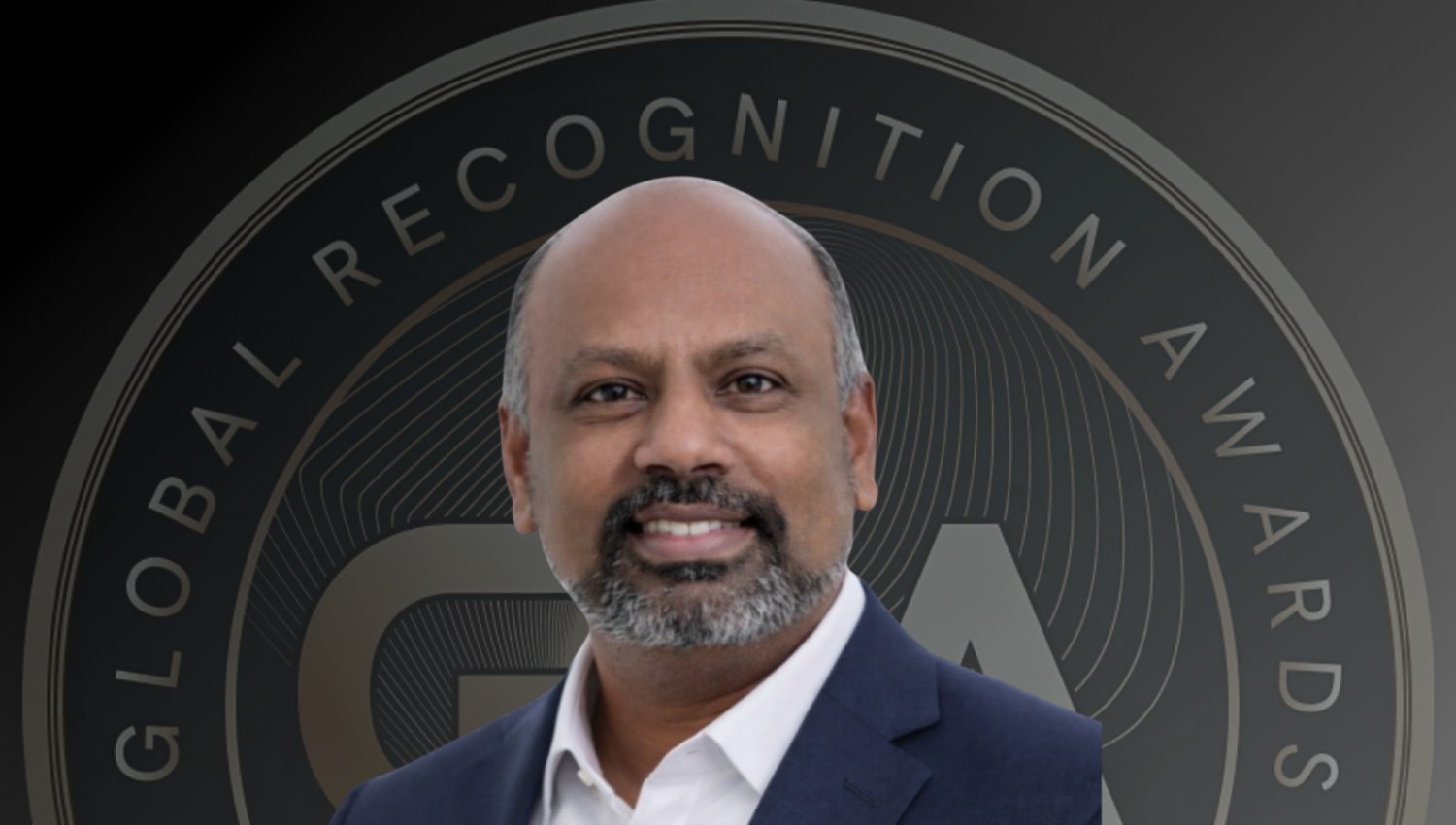
The work earned Alangaram a 2026 Global Recognition Award in the Innovation category. The more telling detail is how the platform was built, and what that choice means for a retailer that must keep up with standards still being written.
One Foundation, Many Channels
The platform covers product discovery, catalog, inventory, pricing, promotions, cart, checkout, payments, loyalty, order management, fulfillment, returns, and customer care. Because that logic sits in one place, it does not need to be rebuilt for each new channel. A new assistant, marketplace, or partner connects once to the base rather than requiring a custom build.
The alternative is point-to-point integration, where every connection repeats the same catalog, pricing, and fulfillment work. With that approach, cost and timeline stay roughly constant with each partner added. Under Alangaram’s design, the effort of onboarding shrinks as the number of partners grows.
The platform also does not depend on a single technical standard. It connects directly or through commerce and payment aggregators, and it supports the Universal Commerce Protocol, Agent-to-Agent communication, the Agent Payment Protocol, and the Model Context Protocol. It also works with conventional APIs, webhooks, and data feeds. Agentic commerce standards are still settling, so this approach keeps Macy’s from being tied to one technology or partner.
Live Results and Early Numbers
Security and oversight were built in from the start. The platform includes authentication, authorization, payment security, transaction controls, monitoring, and testing tools. Merchants keep authority over pricing, policy, payments, and customer data even while selling through external channels.
The platform is already operating. Alangaram led the onboarding of Google’s Gemini Native Checkout through the Universal Commerce Protocol, which lets customers complete a purchase inside Gemini without leaving the conversation. He also led the onboarding of a leading same-day delivery partner as a second, independent channel, along with additional private external selling partners. Each integration reused the existing foundation. That reuse matters, because a single custom integration labeled a platform would not carry over as readily to a second and third partner.
Two Decades of Engineering Experience
Alangaram has spent more than ten years at Macy’s, Inc., where he is now Director and Principal Engineer. Before that, he held leadership roles at Infosys and Computer Sciences Corporation. His record includes hosting for Macy’s and Bloomingdale’s across Google Cloud, several data centers and the migration of a marketing website from Rackspace to Azure. He has also mentored engineers through code reviews and trade-off analysis.
The award process offers some measure of how his work was judged. Survey responses gave him the top score of 5 for vision, integrity, and technological advancement. Shortlisted applicants are evaluated with the Rasch model, which builds a linear measurement scale for each category. This allows precise comparison between candidates who excel in different areas.
Alex Sterling, a spokesperson for Global Recognition Awards, said, “Antony Jeya James Alangaram saw that commerce needed a new foundation, and he built one that merchants can trust and partners can adopt quickly.” His work gives other teams a clear reference point for digital commerce, joining long-range planning with careful design and measurable results across several live channels. If shoppers keep moving toward the places where they already spend their time, the retailers best prepared to follow them will be the ones that built the foundation first.