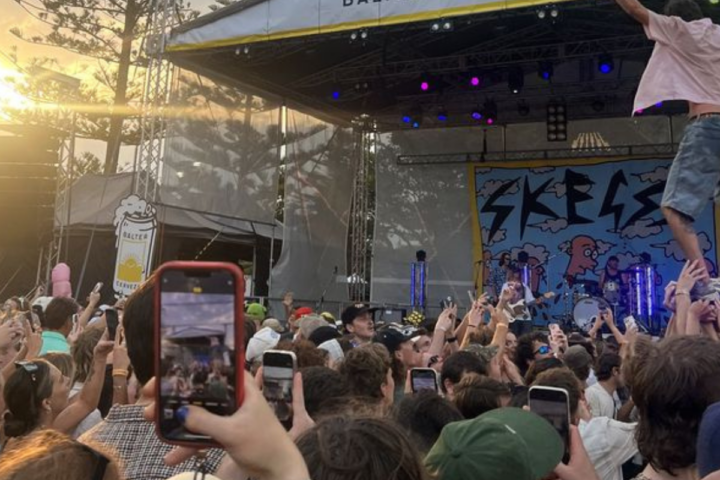

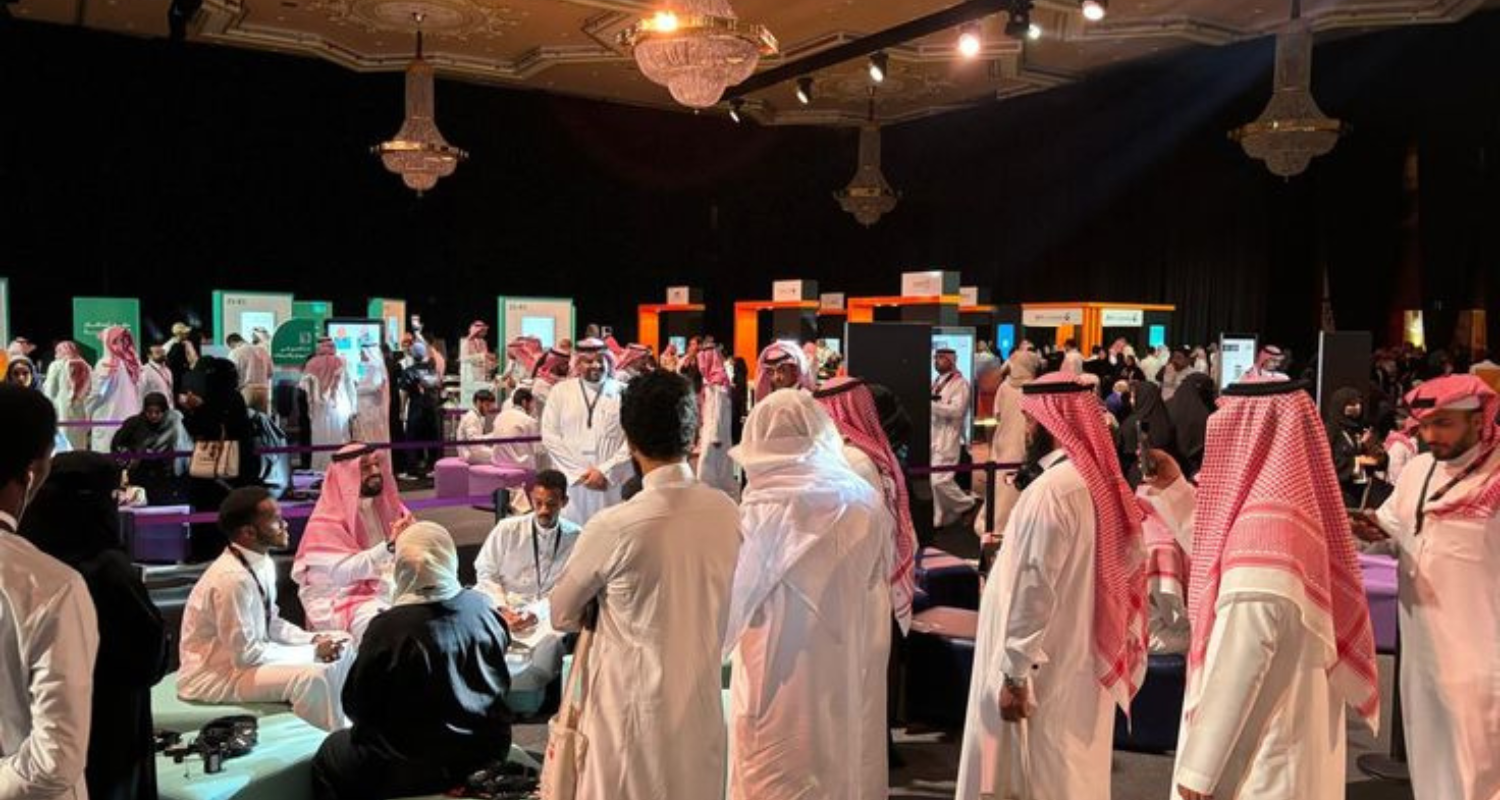

The lights of Riyadh’s growing live-entertainment landscape are no longer powered solely by star talent, massive stages or packed venues. Behind the scenes, artificial intelligence is beginning to influence how audiences discover events, how organizers understand demand and how digital platforms build a more personal relationship with every ticket holder.
At Global AI Show Riyadh 2026, Nadeem Bakhsh, CEO of Webook.com, brought that transformation into focus. His perspective arrives at a moment when Saudi Arabia’s entertainment economy is expanding at remarkable speed, with consumers embracing concerts, sporting events, cultural festivals and experiences that were once far less accessible. For Bakhsh, the next phase is not simply about adding more events to the calendar. It is about using technology to make the entire journey feel more intuitive, responsive and human.
Entertainment Begins Before the Venue
For audiences, an entertainment experience often begins long before they pass through the doors of an arena or festival ground. It starts with a search, a social-media post, a recommendation from a friend or an alert on a mobile phone. In that early moment of discovery, AI can help cut through the noise.
Bakhsh’s vision for Webook.com places personalization at the center of that process. Rather than asking users to scroll endlessly through broad categories, intelligent systems can learn from preferences, past bookings, locations and interests to surface relevant experiences. A comedy fan in Riyadh may be introduced to a touring performer before tickets become scarce, while a family searching for weekend activities could receive suggestions that suit their timing and budget.
The value is not in replacing personal choice, but in making choice easier. Entertainment is deeply emotional, shaped by mood, identity and shared memory. Technology works best when it recognizes that people are not simply data points. They are looking for a night out with friends, a meaningful cultural experience, an opportunity to see a favorite artist or a spontaneous escape from routine.
Data Meets the Live Experience
For event organizers, AI presents a different opportunity: the ability to understand audiences with greater clarity. In a fast-moving market, decisions about programming, promotion and ticketing often need to be made quickly. Knowing what consumers want, and when they want it, can make the difference between a good event and a sold-out one.
AI-driven insights can help platforms and partners identify demand patterns across cities, genres and audience segments. Organizers may be able to see which types of experiences are gaining traction, what time of year certain events perform best and how customers respond to pricing or promotional campaigns. The information can support sharper planning, helping reduce waste while improving the likelihood that audiences find events worth attending.
Yet the most compelling use of data is not purely commercial. It can also improve the on-the-ground experience. From smoother ticket access and customer support to timely updates about venue entry, parking or schedule changes, AI can help remove the friction that sometimes overshadows a highly anticipated occasion. The goal is simple: let people spend less time dealing with logistics and more time enjoying the experience they came for.
A Saudi Market Built for Scale
Saudi Arabia has rapidly become one of the world’s most closely watched entertainment markets. The country’s investment in culture, sport, tourism and large-scale events has created an environment where technology platforms are expected to evolve just as quickly as the events themselves.
For Webook.com, this momentum creates both a responsibility and an opening. A platform serving such a diverse and digitally connected audience must be prepared to support everything from intimate local performances to major international spectacles. That means building systems that can manage high demand while still delivering relevance at an individual level.
Bakhsh’s comments at Global AI Show Riyadh 2026 reflect a broader belief that AI will become part of the infrastructure behind entertainment. It will help companies anticipate behavior, communicate more effectively and create services that feel designed around real people rather than generic audiences. In a market defined by ambition, speed and scale, that capability could become a key competitive advantage.
Keeping the Human Element in Focus
The rise of AI inevitably raises questions about privacy, trust and the risk of making customer experiences feel overly automated. Bakhsh’s challenge, like that of other leaders in the sector, is to ensure that innovation remains grounded in responsible use. Consumers may welcome smarter recommendations and more convenient service, but they also expect transparency and control over how their information is used.
The strongest entertainment platforms will likely be those that treat AI as an enhancement rather than a substitute for human connection. A recommendation engine can point someone toward an event, but it cannot replicate the anticipation of a crowd waiting for an artist to appear. It can streamline customer service, but it cannot replace the emotional charge of a memorable live performance.
That distinction matters as Riyadh positions itself at the crossroads of technology and culture. The future described by Bakhsh is not one in which machines take over entertainment. It is one in which intelligent tools quietly make experiences easier to find, simpler to access and more relevant to the people who value them. For an industry built on moments that audiences remember long after the final applause, that may be AI’s most meaningful role.