
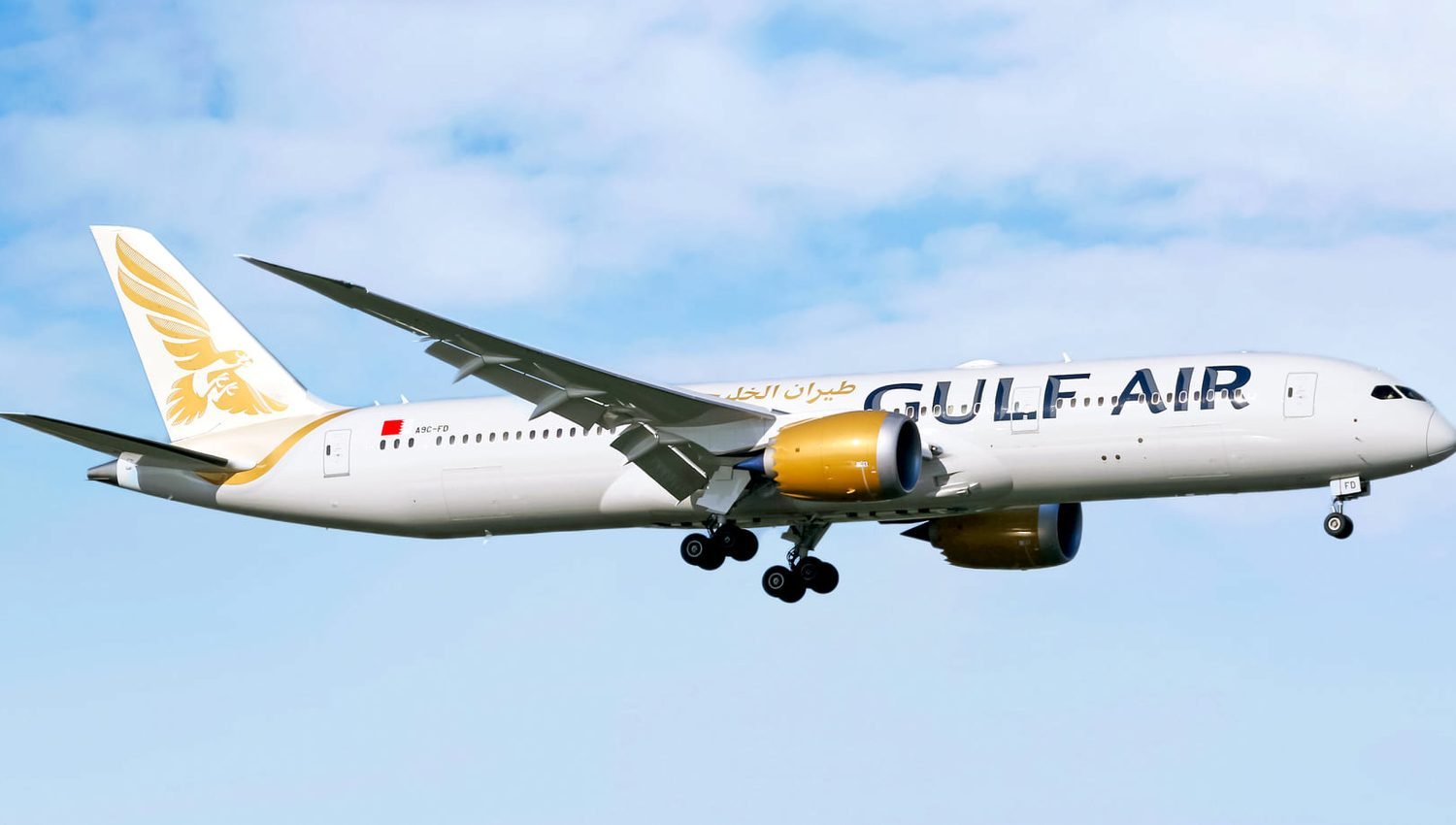

Gulf Air has spent this year adjusting where it flies and what it flies, and the changes say a lot about how a mid sized national carrier survives between the region’s giants. Bahrain’s airline cannot outspend the largest Gulf operators, so it has focused on network fit and cost discipline instead.
Route decisions have leaned toward destinations that connect Bahrain to business and leisure demand without overreaching. Adding frequencies on proven routes has generally made more sense than chasing far flung new ones.
Fleet planning is the other half of the story. Newer, more efficient aircraft lower fuel and maintenance costs, and for an airline of Gulf Air’s size those savings shape whether individual routes make money.
The competitive backdrop is unforgiving. Passengers have plenty of choices for connecting through the Gulf, which keeps pressure on fares and forces Gulf Air to compete on schedule, service, and reliability rather than scale.