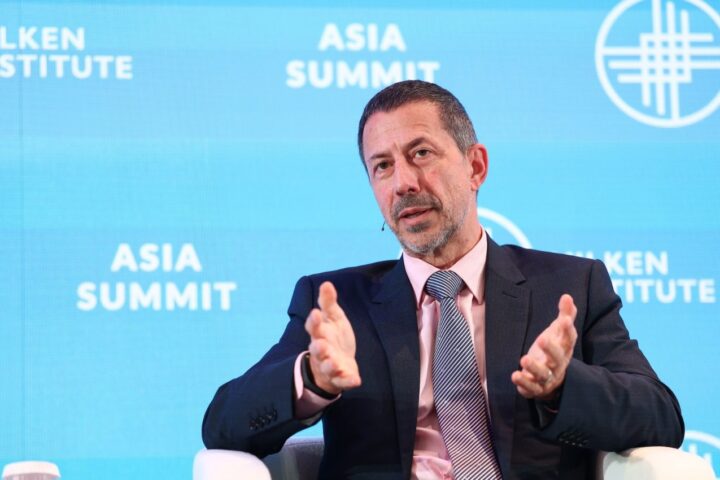

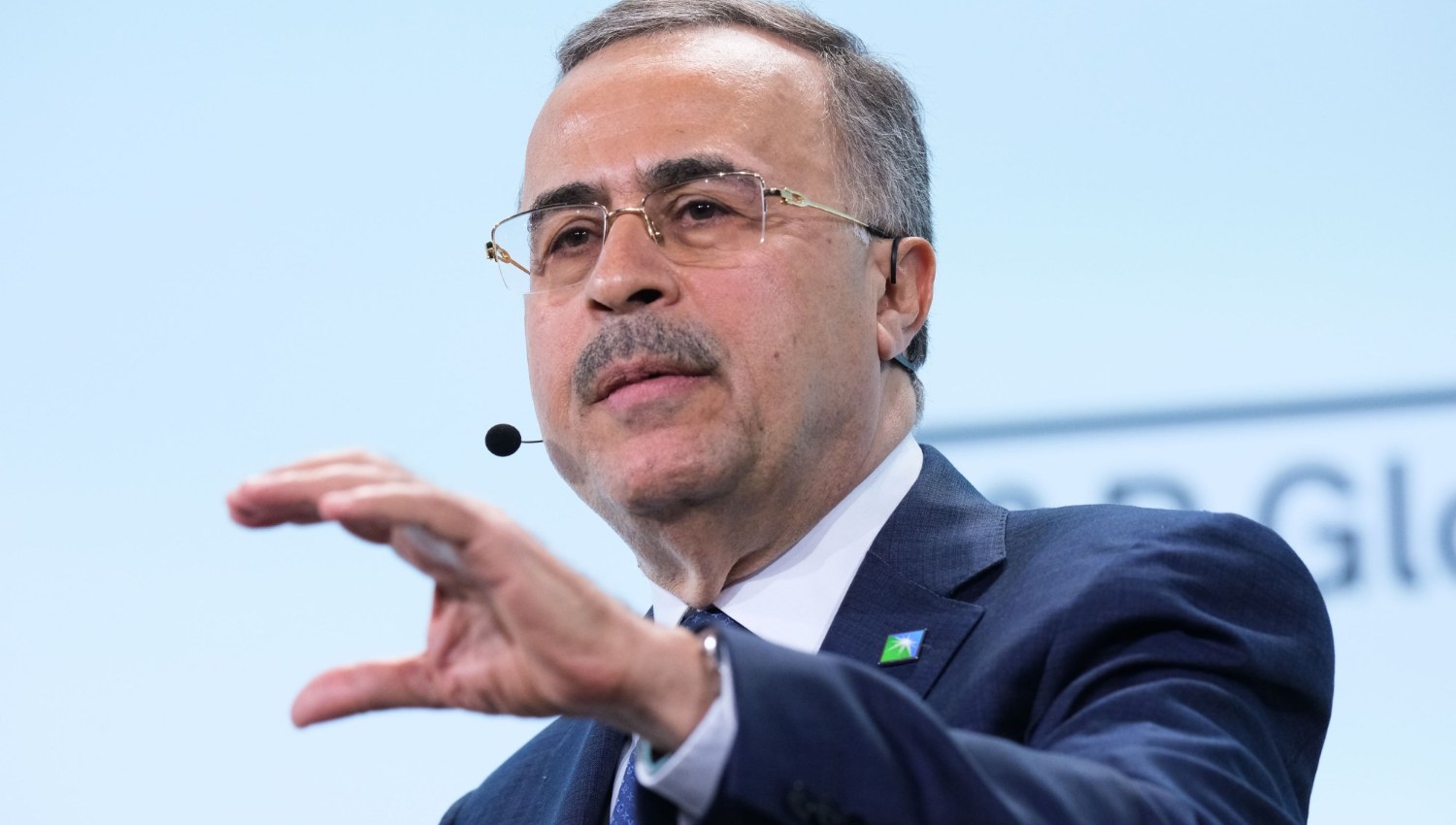

Saudi Aramco has not cancelled a single committed delivery since the US-Iran war disrupted Gulf shipping, its chief executive Amin Nasser told the Energy Intelligence Forum in London. He credited the company’s multiple routes to market and the large capacity of the East-West pipeline, but said the industry should now plan for more export options.
Nasser described how Aramco reviewed its position when the crisis began, asking whether its three routes were enough. His conclusion was that they might not be for the future, and that it falls to the current generation to think about a fourth and a fifth way to get oil out. Of the East-West pipeline, he said: “It has multiple lines with a lot of redundancy and flexibility built in.” In a related report published on October 5, Nasser said oil would have reached $200 a barrel without the pipeline.
Kuwait Petroleum Corporation chief executive Sheikh Nawaf Al Sabah set out a different source of resilience. KPC’s own tanker fleet, which dates back to the 1990s, gives the company control over where its vessels sail and who crews them. “We control where they go and the crews are our own crews,” he said, while noting that captains still decide whether to pass through a particular stretch of water. Blockades in the Strait of Hormuz and, more recently, the Bab al-Mandeb strait have caused supply problems.
Other speakers echoed the shift. TotalEnergies chief executive Patrick Pouyanne said the war had moved the sector from a just-in-time model to a just-in-case one. Ichiro Takahara, chairman and chief executive of Japan’s JOGMEC, said Japan’s stockpiling policy aims to avoid chokepoints, and that cooperation with Aramco and KPC could include storage depots closer to customers, including in Japan. Inpex president Takayuki Ueda said buyers care most about security of supply and the resilience of the whole chain.
Delegates at the forum agreed that resilience now carries more weight, with shared goals of raising output, making export routes more reliable and expanding storage. Higher prices could also make previously marginal projects viable in Latin America, Africa, Asia, Australia and the US. For Gulf producers, the remarks from Nasser and Sheikh Nawaf put pipelines, shipping control and storage at the centre of planning while the conflict, which began at the end of February, continues to threaten the region’s sea lanes.