

Chief executive departures at the world’s largest listed companies fell to their lowest first-half level in nine years in 2026, according to the Global CEO Turnover Index from Russell Reynolds Associates. The advisory firm counted 101 CEO exits in the first six months of the year, compared with 118 in the same period of 2025, a fall of about 14 per cent.
Hiring held up. Companies named 130 new chief executives in the half, close to the nine-year first-half average of 129. The drop in exits followed two years of high turnover across the major indices, and the firm suggested that rising stock markets, especially in the US, may have reduced pressure on boards to make changes. Outgoing CEOs had also been in post for longer, with an average tenure of nine years against 6.6 years in the first half of 2025, the second-highest first-half figure since the index began. Boards leaned towards candidates who had done the job before. Thirty of the 130 new appointees, or 23 per cent, had previously led a public company, the highest first-half share in the index’s nine years. Russell Reynolds linked this to continuing economic and digital transformation pressures. The pattern was stronger in the S&P 500, where 11 of 32 incoming CEOs, or 34 per cent, had prior experience running a public company. Nine of those 11 were internal picks: four moved up from the board and five came from executive roles inside the company. Overall, 88 per cent of new S&P 500 chief executives were promoted from within.
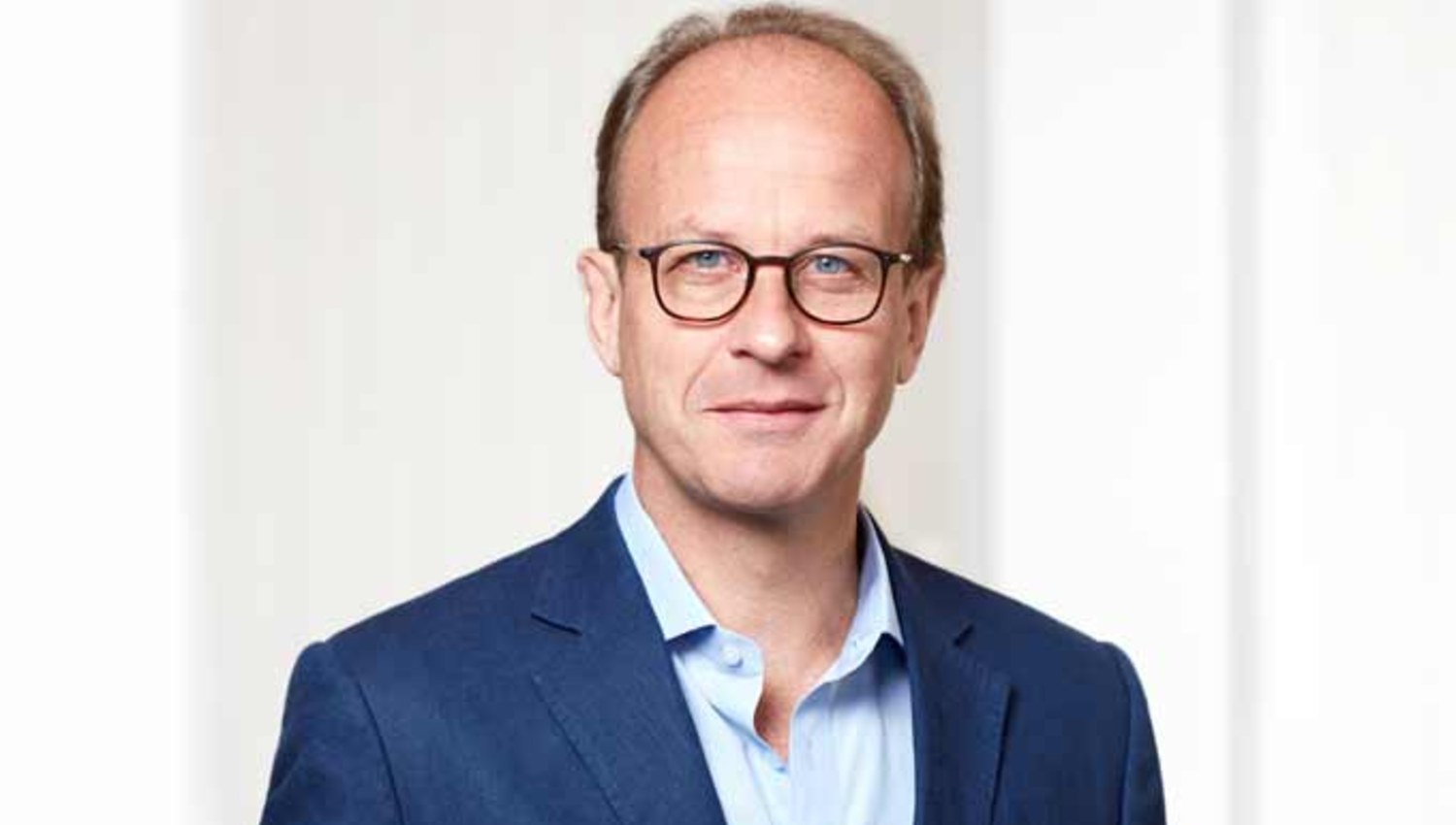
For the UAE, the study points to the value of structured succession planning. The country continues to attract multinational headquarters and international investment, which the firm says calls for long-term leadership pipelines. Nicolas Manset, Head of the Middle East at Russell Reynolds Associates, said boards are now placing more weight on continuity and proven leadership, and urged UAE organisations to “build stronger succession pipelines before they are needed”.
Manset added that boards should have a clear picture of the leaders they are developing internally, while keeping access to experienced outside talent when a situation calls for it. The S&P 500 figures show the two approaches can overlap, since most of the experienced appointees there were internal candidates.