


Historical anime usually has to choose between spectacle and accuracy. “The Elusive Samurai” keeps finding ways to hold both, and its second season makes the case more convincingly than the first did.
The story picks up with Hojo Tokiyuki still working to reclaim his family’s legacy in 14th-century Japan. What sets him apart from most protagonists in the genre is that his defining skill is evasion rather than swordsmanship.
That choice shapes everything around it. Because Tokiyuki cannot win a direct fight, confrontations turn into problems of positioning and timing, and the tension comes from strategy rather than force. It gives the series a rhythm that few of its contemporaries share.
A more confident season
Season 2 moves quickly into the political intrigue surrounding Tokiyuki’s campaign. New allies appear, so do more capable enemies, and the stakes rise with them.
Pacing is the clearest improvement. The first season sometimes paused to explain its own machinery; this one assumes the audience has kept up, and the episodes benefit. Loyalty, resilience and what leadership asks of someone so young remain the central concerns, and the writing never loses sight of the fact that its protagonist is still a boy.
The animation
Visually this is among the strongest work currently airing.
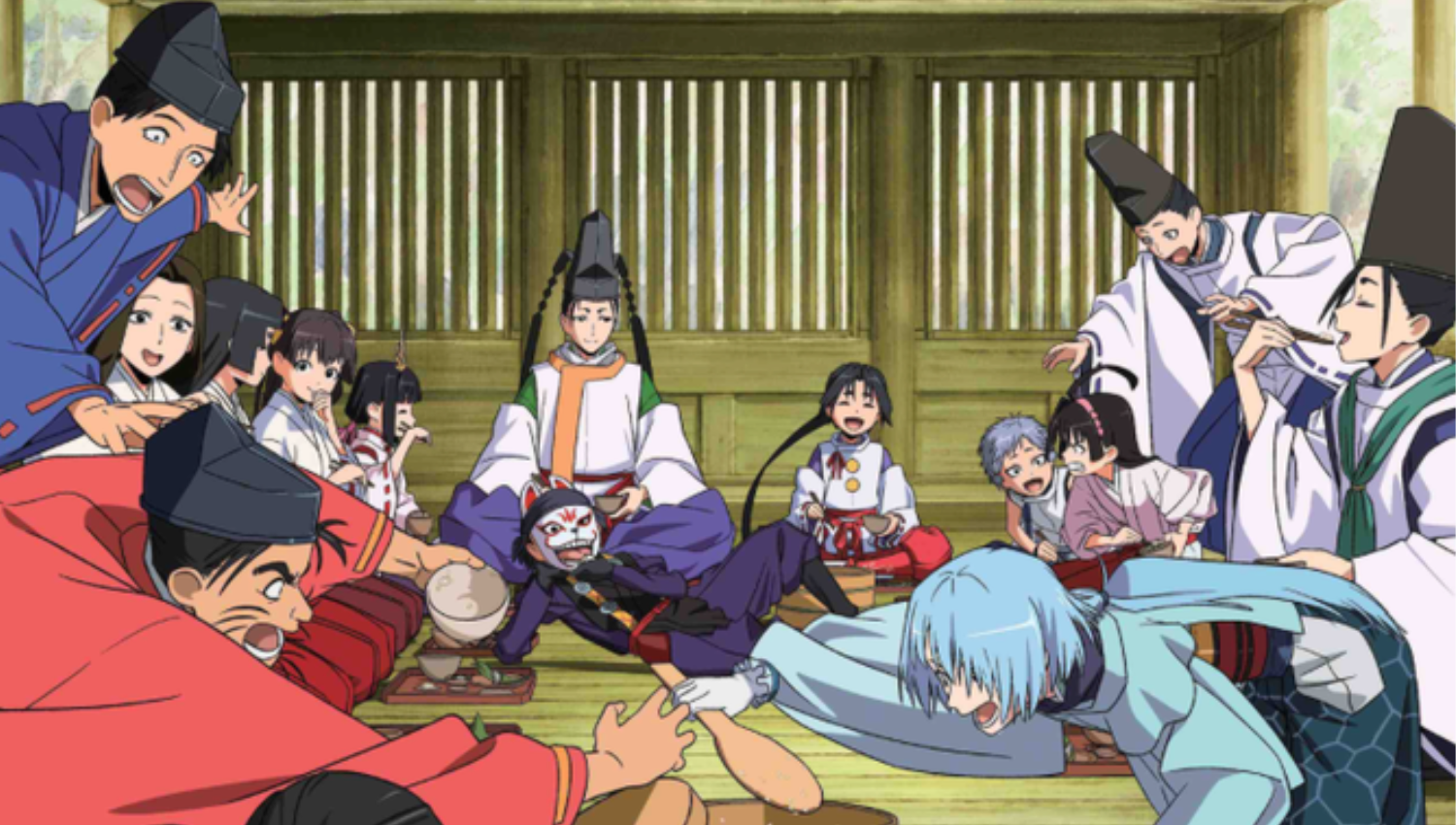
Sword sequences stay fluid and easy to follow, set against backgrounds with a painted quality to them. CloverWorks moves between saturated colour, ink-inspired effects and more cinematic framing depending on what a scene calls for, which gives the series a look distinct from other historical anime.
The score supports the action without crowding it, and the opening theme adds energy while staying within the period atmosphere. Character designs remain expressive, and the quieter conversations gain a lot from small animation choices and considered camera work.
History without the lecture
One of the show’s real achievements is how much it conveys about a complicated period without ever feeling instructional.
The events underneath the story are real, and the series treats them as a foundation for a coming-of-age narrative with humour and suspense in it. Neither side of that balance gets sacrificed for the other.
One caveat
Newcomers will struggle starting here. The factional politics and the web of relationships are dense enough that Season 2 assumes familiarity, and the first season is close to essential before picking up the new episodes.
For anyone who has that grounding, this is a strong return: excellent animation, tighter storytelling, and a perspective on the samurai genre that still feels its own.