

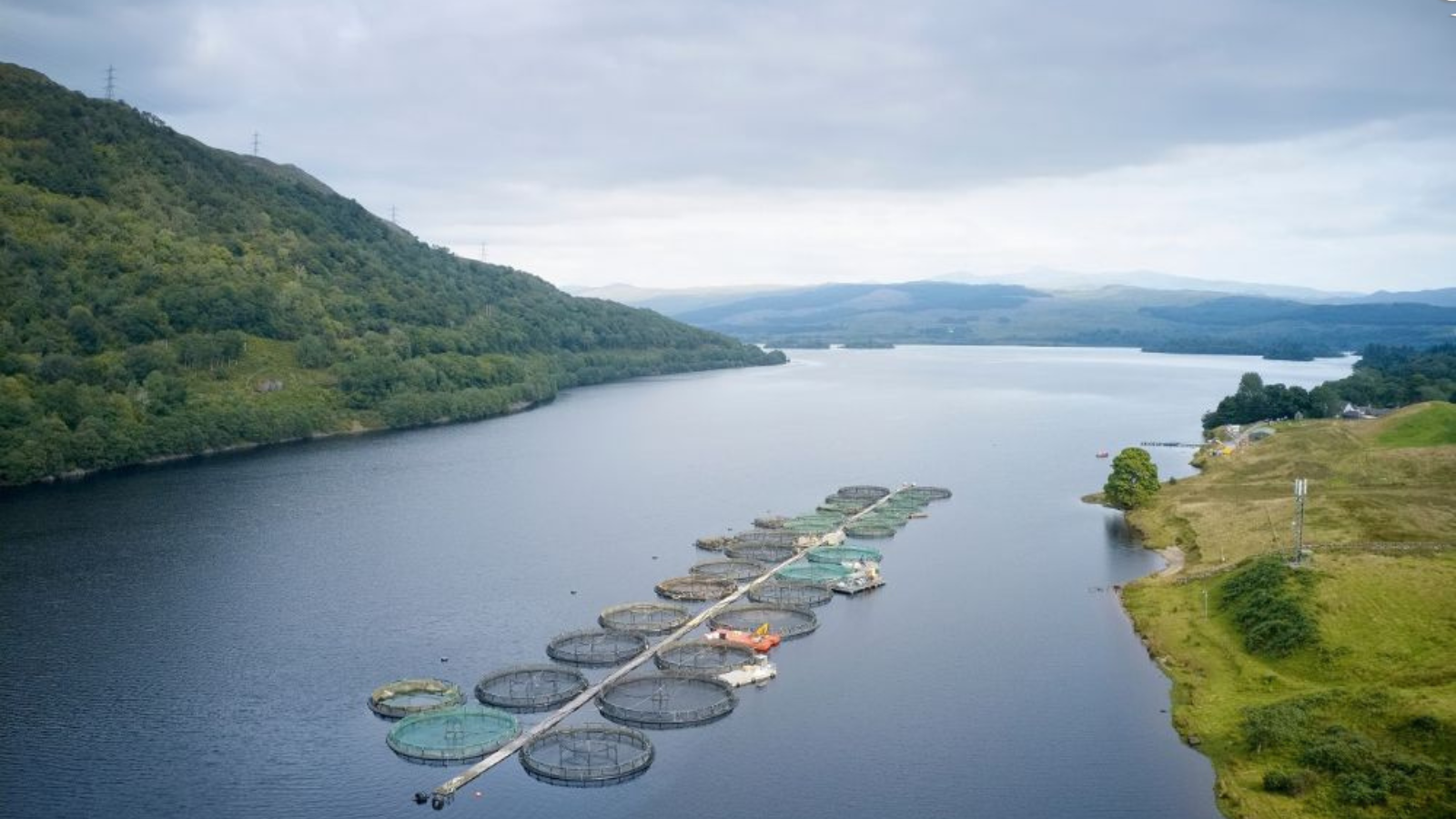

The arrival of the first major shipment of Scottish salmon in India marks a quiet but significant shift in global seafood trade. Long prized across Europe, North America, and parts of Asia, Scottish salmon is now entering one of the world’s fastest-growing consumer markets, backed by what industry leaders estimate could become a £130 million export opportunity.
The shipment signals more than a commercial milestone. It reflects years of diplomatic groundwork, regulatory alignment, and evolving consumer demand in India, where premium imported foods are gaining traction among urban populations. For Scotland’s salmon producers, the move represents a calculated expansion beyond traditional markets, tapping into a region where seafood consumption is both culturally rooted and rapidly modernizing.
Behind the scenes, exporters have worked closely with Indian authorities to meet stringent import requirements, ensuring quality, traceability, and freshness. The successful delivery of this first large-scale shipment demonstrates that logistical and regulatory barriers, once considered prohibitive, are beginning to ease.
Rising Demand in a Changing Market
India’s appetite for premium seafood has been steadily growing, driven by rising incomes, expanding hospitality sectors, and a younger, globally influenced consumer base. While domestic fish varieties dominate the market, there is increasing curiosity around imported options, particularly those associated with sustainability and high quality.
Scottish salmon enters this landscape with a strong brand narrative. Known for its cold-water provenance and rigorous farming standards, it carries a reputation that aligns with India’s emerging premium food segment. High-end restaurants, luxury hotels, and specialty retailers are expected to be the initial gateways, introducing the product to consumers who are willing to pay for both quality and origin.
Market analysts suggest that the long-term opportunity extends beyond niche segments. As cold chain infrastructure improves and awareness grows, imported salmon could gradually reach a broader audience. This trajectory mirrors patterns seen in other Asian markets, where imported seafood transitioned from exclusivity to mainstream availability over time.
Strengthening Bilateral Trade Ties
The shipment also reflects a broader strengthening of trade relations between the United Kingdom and India. As both countries explore deeper economic cooperation, sectors such as food and agriculture are emerging as areas of mutual interest. Scottish salmon, with its established export credentials, becomes a natural candidate to lead this exchange.
For UK exporters, diversification is increasingly critical. Market uncertainties and shifting trade dynamics have prompted producers to seek new destinations, reducing reliance on traditional partners. India, with its scale and growth potential, offers a compelling alternative, even as it presents unique challenges in pricing sensitivity and distribution.
Indian importers, on the other hand, see value in expanding their premium offerings. Collaborations with Scottish suppliers are expected to foster knowledge exchange, particularly in areas such as cold chain management, sustainability practices, and quality assurance. These partnerships could have ripple effects across India’s domestic seafood industry, raising standards and encouraging innovation.
Navigating Challenges and Opportunities Ahead
Despite the optimism surrounding this milestone, the path forward is not without hurdles. Pricing remains a critical factor, as imported salmon must compete with locally sourced fish that is significantly more affordable. Building consumer familiarity will also require targeted marketing and education, emphasizing both taste and nutritional benefits.
Logistics present another layer of complexity. Maintaining product freshness across long distances demands robust cold chain systems, which are still developing in parts of India. Any disruptions could impact quality and, by extension, consumer trust. Exporters and distributors will need to invest in infrastructure and partnerships to ensure consistency.
Yet, the broader outlook remains positive. Industry stakeholders view this first shipment as a proof of concept, demonstrating that demand exists and that supply chains can be established. If sustained, the trade could unlock substantial economic value for Scotland’s salmon sector while enriching India’s evolving food landscape.
In many ways, this development captures the essence of modern global trade, where tradition meets transformation. A product rooted in Scotland’s coastal heritage is finding its way to Indian dining tables, bridging geographies through shared tastes and economic ambition. As the relationship matures, it may well redefine how premium seafood flows across borders, setting a precedent for future collaborations.