
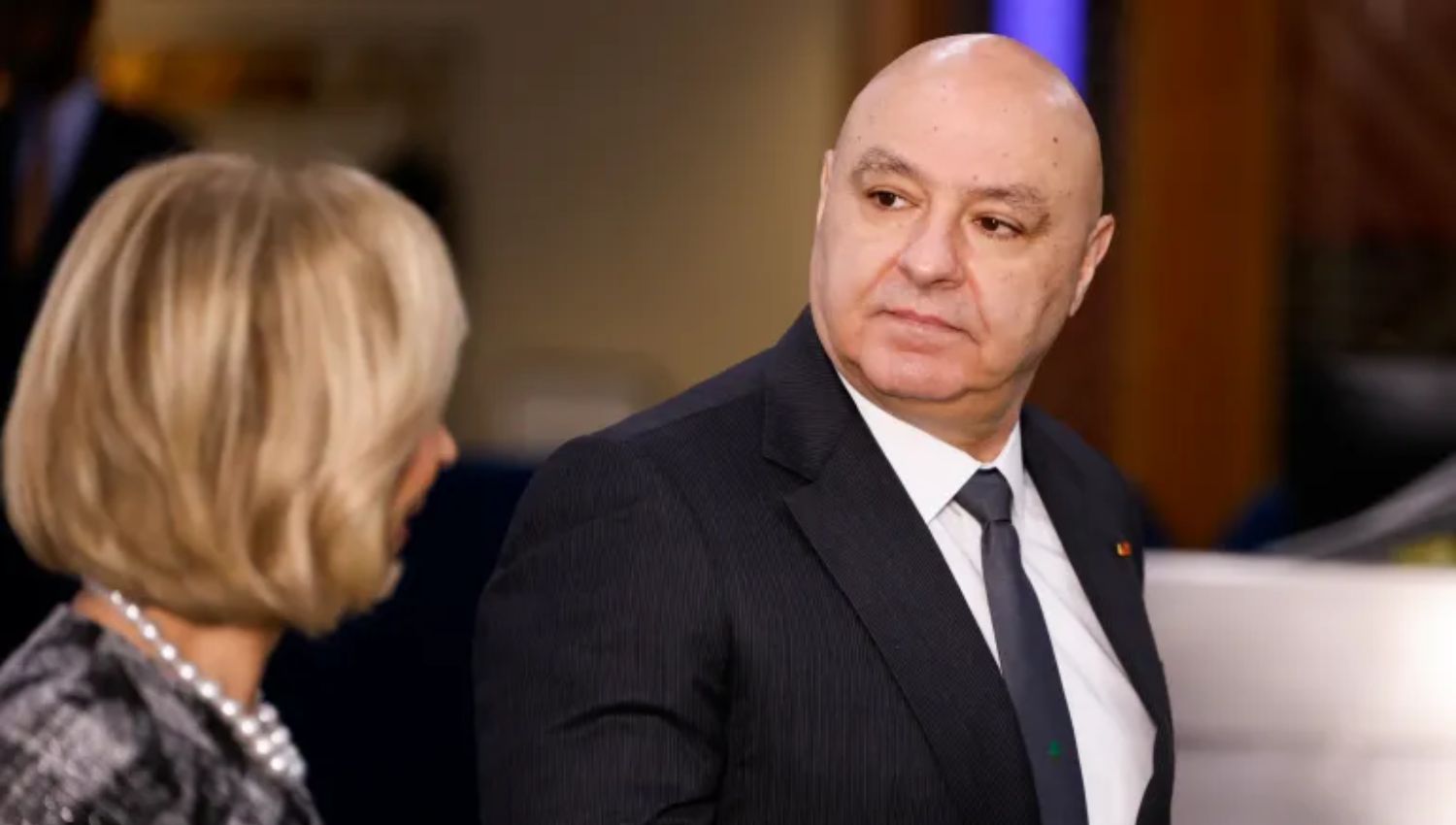
Lebanon’s President Joseph Aoun has opened a round of high-level meetings in Washington, sitting down with United States Secretary of State Marco Rubio as Beirut presses for American support to halt the fighting between Israel and Hezbollah and to secure an Israeli pullback from southern Lebanon.
In talks on Sunday, Aoun told Rubio that Lebanon and the United States needed to act together to carry out the US-backed agreement signed by Lebanon and Israel on June 26, beginning with an initial withdrawal of Israeli forces from the south, according to a post from the Lebanese presidency on X.
Rubio, in a State Department statement issued after the meeting, praised the Lebanese government’s push to reclaim national sovereignty, disarm Hezbollah, dismantle what he described as the group’s militant infrastructure, and move toward peace.
Aoun and First Lady Naima Aoun landed at Joint Base Andrews on Saturday to begin the official visit, the presidency said.
A rare visit at a pivotal moment
Aoun is scheduled to meet US President Donald Trump on Tuesday and to hold discussions with members of the US Senate and other administration officials. It marks the first visit to Washington by a Lebanese head of state since Michel Sleiman met President Barack Obama in 2009.
The trip comes at a delicate time for Lebanon. Israeli troops remain in parts of the south months after the most recent war with Hezbollah, hampering Beirut’s attempts to reassert state authority, while hundreds of thousands of people are still displaced.
A Lebanese official told Reuters that Aoun intends to hand Trump a written proposal setting out how Hezbollah’s weapons could be dismantled while securing Israel’s withdrawal under the US-brokered deal. Before departing Beirut, Aoun said he would press Trump to apply the pressure needed to compel Israel to implement the agreement, which foresees Hezbollah’s disarmament, a phased Israeli withdrawal, and a path toward steadier relations between the two countries. The same official said Aoun believes Trump is uniquely positioned to push Israel into pulling back its forces and to help Lebanon restore its sovereignty.
Talks expose deep obstacles
The Washington visit follows a fresh round of US-mediated discussions between Lebanese and Israeli officials in Rome earlier in the week, where negotiators weighed how to put the June framework into practice.
Those negotiations have laid bare the difficulties facing Aoun’s government. Hezbollah has rejected Lebanon’s direct talks with Israel and any move to strip the group of its weapons, while Israel has said it will not fully withdraw unless Hezbollah is disarmed and demilitarised.
A president elected to reclaim state authority
Aoun, 62, is a former commander of Lebanon’s US-backed armed forces who was elected president last year after more than two years without a head of state. His election marked a major shift in the country’s political landscape following Israel’s 2024 offensive, which weakened Hezbollah, and the fall of Syrian President Bashar al-Assad, which stripped the Iran-backed group of one of its closest regional allies.
At his swearing-in, Aoun pledged to restore what he called the state’s monopoly on arms, making Hezbollah’s disarmament a defining aim of his presidency. Lebanese troops later moved into parts of southern Lebanon to collect Hezbollah weapons caches under a ceasefire that followed the 2024 war.
Those efforts grew more complicated after fighting reignited in March, when Hezbollah launched attacks on Israel in support of Iran, which was then under attack by Israel and the United States. The move triggered another Israeli offensive in Lebanon.
Aoun has since openly criticised Hezbollah for pulling Lebanon into war. In a virtual meeting with European Union officials in March, he said the group placed no value on Lebanon’s interests or the lives of its people and was acting for the sake of the Iranian regime’s calculations.
He soon called for direct talks with Israel, a sharp departure from Lebanese policy after repeated Israeli invasions since 1978. The shift has drawn fierce criticism from Hezbollah and its supporters, though Aoun has stopped short of Trump’s calls for him to meet Israeli Prime Minister Benjamin Netanyahu.