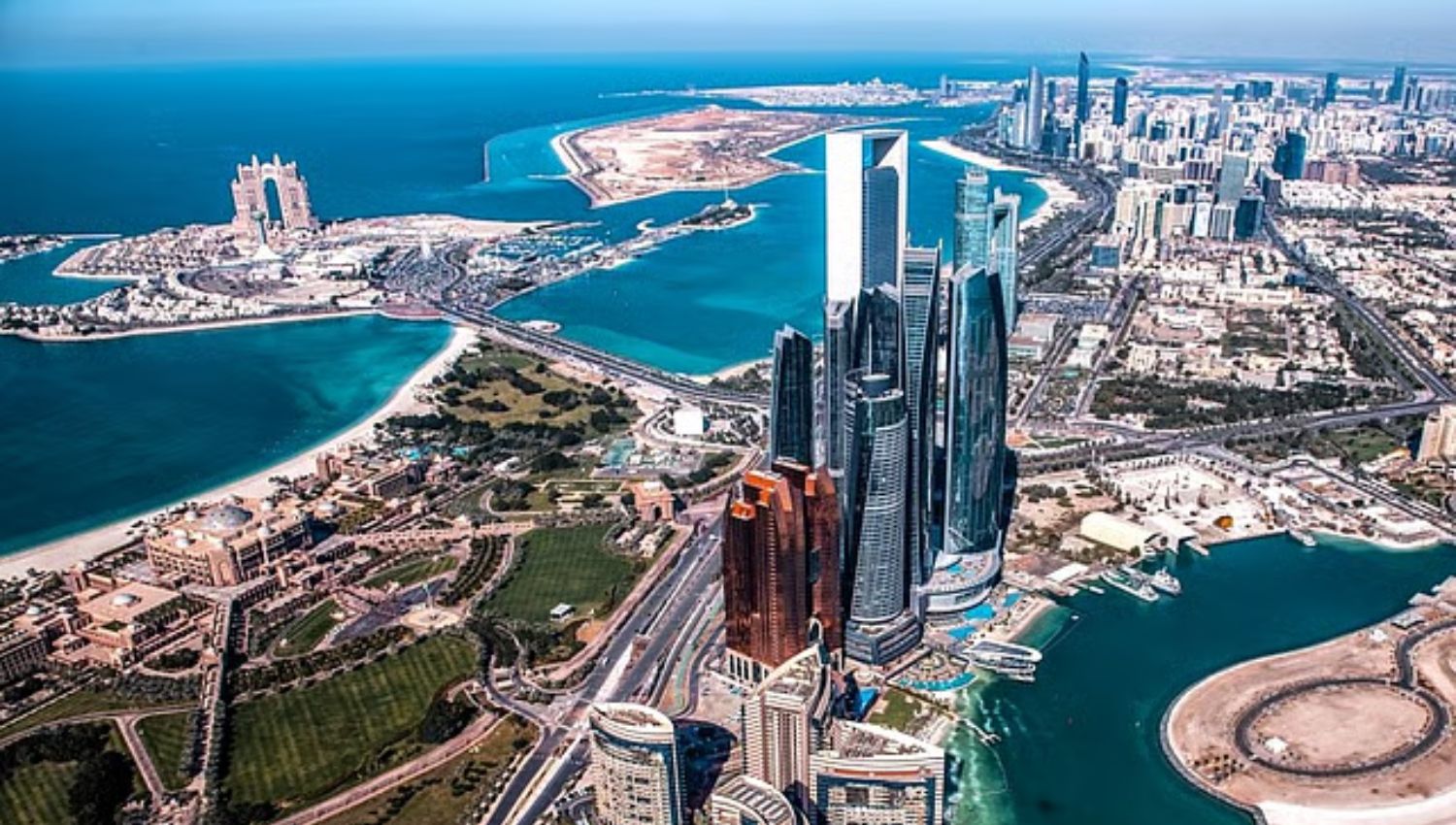
The Abu Dhabi Projects and Infrastructure Centre (ADPIC) is overseeing one of the largest government development programmes in the UAE, managing a capital investment portfolio worth more than Dh200 billion ($54.5 billion).
The portfolio spans over 600 ongoing projects across housing, transportation, healthcare, education, tourism and community infrastructure. The scale of the pipeline reflects Abu Dhabi’s long-term drive to diversify its economy beyond oil, raise quality of life for residents and position the emirate as a global hub for business, tourism and innovation.
ADPIC coordinates the planning, delivery and oversight of major public infrastructure projects, keeping them aligned with the UAE’s broader economic and urban development goals. Among its flagship initiatives are new residential communities, road and transport networks, hospitals, schools, cultural attractions and public amenities designed to support a growing population while advancing sustainable urban development.
Forbes summit puts the spotlight on the region’s future
The programme came into focus as the second edition of the Forbes Middle East Building the Future Summit 2026 opened in Abu Dhabi on Tuesday, June 23, under the patronage of the UAE Ministry of Energy and Infrastructure. The event brought together about 3,000 policymakers, business executives and industry experts to examine the future of sustainable urban development across the Middle East and North Africa.
Held over two days, June 23 to 24, the summit was organised by Forbes Middle East in partnership with One Development and focused on the intersection of infrastructure, smart cities, clean energy, mobility and artificial intelligence. Participants were expected to discuss strategies for building more sustainable and resilient cities, integrating digital technologies into urban planning, and attracting investment into next-generation infrastructure projects as countries across the region pursue ambitious economic diversification and net-zero goals.
The event also showcased emerging technologies and development models shaping the future of cities, highlighting innovations in sustainable planning, intelligent transportation systems, energy infrastructure and AI-driven urban services. It further explored how infrastructure supports economic growth and sustainability, examining the integration of energy, mobility, housing, water, artificial intelligence and data centres within a single ecosystem geared toward long-term development.
Building people-centred communities
Summit sessions addressed a wide range of topics tied to the future of infrastructure, including project financing, smart technologies, futuristic architectural designs and the development of inclusive, people-centred communities. Discussions also turned to strengthening the UAE’s competitiveness and global standing in the sector, along with fostering strategic collaboration between government entities and private-sector organisations to accelerate infrastructure delivery.
Sharif Al Olama, Undersecretary for Energy and Petroleum Affairs at the Ministry of Energy and Infrastructure, said the future of energy and infrastructure would be shaped by the integration of sustainability, innovation and advanced technologies. The UAE, he said, continues to adopt a forward-looking approach that combines clean energy, digital transformation and resilient infrastructure to support economic growth and enhance quality of life. Through collaboration between the public and private sectors, he added, the country is accelerating the development of future-ready ecosystems that draw on artificial intelligence, renewable energy and smart solutions to build sustainable cities capable of meeting the challenges of future generations.
Khuloud Al Omian, CEO and Editor-in-Chief of Forbes Middle East, said the second edition of the summit arrived at a time when the region is seeing an unprecedented acceleration in urban and infrastructure development, driven by technological transformation, sustainable growth requirements and a rising need for more resilient, future-ready development models.
Ali Al Jebely, Founder and Chairman of One Development and One Holding Group, said that amid evolving market dynamics, the summit serves as an important platform to highlight the UAE real estate sector and its resilience, innovation and global appeal.
The future of Abu Dhabi’s infrastructure
Abu Dhabi continues to strengthen its position as one of the world’s most advanced cities through extensive development programmes covering transportation networks, housing, water, energy, education, healthcare and public utilities. These initiatives form part of a strategic vision aimed at supporting population and economic growth, meeting sustainable development objectives and improving quality of life.
Official data and recent economic reports suggest the emirate has moved beyond the phase of building essential infrastructure and entered a new era focused on smart, sustainable infrastructure capable of supporting the future economy, with a strong emphasis on public-private partnerships and attracting local and international investment.
More than Dh200 billion in ongoing projects
ADPIC currently oversees a capital project portfolio valued at more than Dh200 billion, comprising over 600 projects across housing, transportation, healthcare, education, tourism and community services. It ranks among the largest infrastructure capital expenditure programmes in the region.
The projects include new residential communities, road networks, bridges, tunnels, advanced educational and healthcare facilities, and infrastructure supporting urban expansion across Abu Dhabi, Al Ain and the Al Dhafra Region.
Dh55 billion for new projects in 2026 and 2027
Reflecting the scale of future expansion, Abu Dhabi has announced a Dh55 billion Public-Private Partnership (PPP) programme to finance 24 new infrastructure projects during 2026 and 2027, one of the largest initiatives of its kind in the Gulf region.
The spending is spread across several key sectors. Around Dh35 billion has been allocated to 11 transport and road projects, including the construction and expansion of more than 300 kilometres of roads, bridges, tunnels and major intersections, while improving connectivity between emerging residential and development areas. A further Dh11 billion covers five water and flood-protection projects, developing dams, water storage facilities, stormwater drainage systems and flood protection infrastructure to strengthen the emirate’s resilience against climate change and extreme weather. About Dh9 billion has been set aside for social infrastructure, funding schools, universities, hospitals, sports facilities and modern community amenities to accommodate anticipated population growth in the coming years.
Smart and sustainable infrastructure
Abu Dhabi’s future vision extends beyond capital spending toward a comprehensive ecosystem powered by advanced technologies, artificial intelligence and digital governance in project and infrastructure management. The emirate has introduced a unified infrastructure governance framework involving 14 government entities, aimed at speeding up approvals, cutting project delivery timelines and improving coordination among stakeholders. The framework is expected to lower operating costs, improve the efficiency of government spending and accelerate the delivery of strategic projects that support economic and urban growth.
Supporting population and economic growth
These investments coincide with rapid growth in Abu Dhabi’s industrial, tourism, real estate, logistics and advanced technology sectors, creating heightened demand for infrastructure that can accommodate future population growth, business expansion and foreign direct investment. Economists see continued infrastructure investment as one of the key drivers of the emirate’s GDP growth and a further boost to its appeal among global investors, particularly through innovative financing models built on public-private partnerships rather than sole reliance on traditional government funding.
Vision 2030 and beyond
Current and future projects reflect Abu Dhabi’s commitment to a long-term strategy focused on building smart, sustainable and globally connected cities, enhancing quality of life for citizens and residents, and strengthening the emirate’s competitiveness as a global economic and investment hub. With more than Dh200 billion in ongoing projects and a newly launched Dh55 billion programme for future developments, Abu Dhabi appears poised to enter a new phase of urban and economic expansion, underpinned by modern infrastructure that will serve as the foundation for growth over the coming decades.