

Long before artificial intelligence became a global arms race, the United Arab Emirates had already begun laying its groundwork. What now appears as a rapid ascent in global rankings is, in reality, the result of a carefully orchestrated national strategy that blends policy, infrastructure, and ambition.
The country’s leadership has consistently positioned technology at the center of its economic diversification plans. Moving beyond oil dependency, the UAE has invested heavily in digital transformation, ensuring that artificial intelligence plays a defining role in its future economy. This vision is not confined to rhetoric but is embedded in national frameworks that prioritize innovation across sectors.
From smart city initiatives to AI-integrated public services, the UAE has cultivated an ecosystem where experimentation and implementation move in tandem. The result is a nation that does not merely adopt global tech trends but actively shapes them, signaling its readiness to compete with long-established innovation hubs.
Building an Ecosystem That Attracts Global Talent
A key factor behind the UAE’s growing prominence in artificial intelligence is its ability to attract and retain global expertise. The country has positioned itself as a magnet for researchers, engineers, and entrepreneurs seeking a dynamic environment with fewer bureaucratic constraints and strong institutional backing.
Universities and research centers have expanded their AI-focused programs, often in collaboration with international institutions. These partnerships create a steady pipeline of talent while fostering cross-border knowledge exchange. At the same time, government-backed accelerators and funding initiatives provide startups with the resources needed to scale quickly.
Equally important is the regulatory environment. By adopting forward-looking policies that encourage innovation while maintaining ethical oversight, the UAE has struck a balance that appeals to both investors and technologists. This balance allows for rapid experimentation without sacrificing long-term credibility, a combination that few emerging tech hubs have managed to achieve.
Infrastructure Driving Innovation at Scale
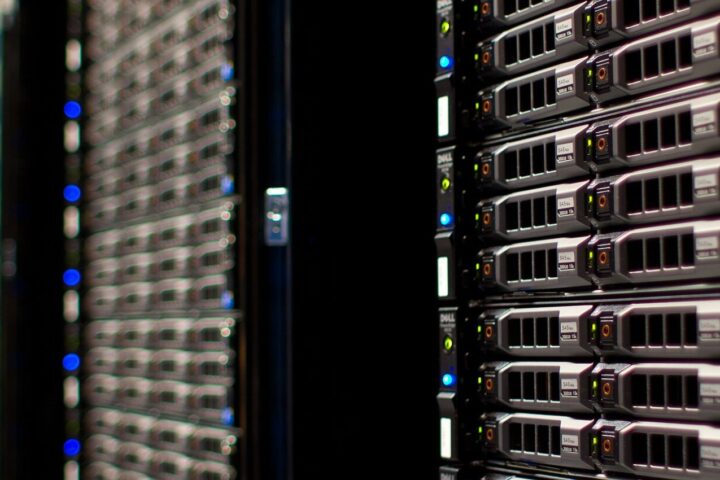
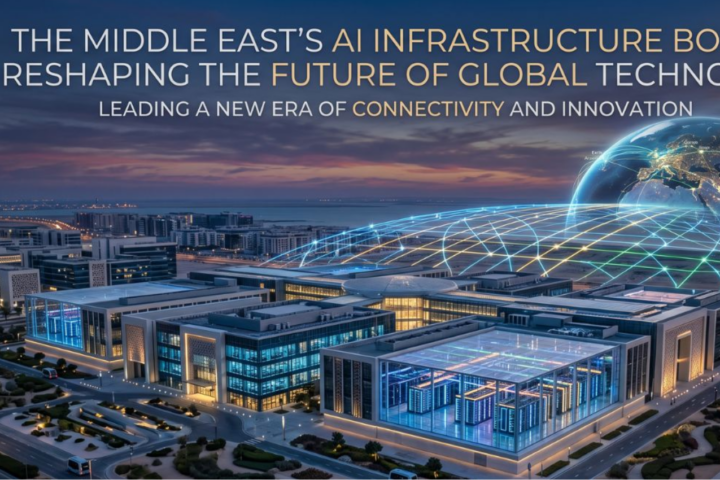
Beyond talent and policy, the UAE’s physical and digital infrastructure has played a decisive role in its rise. Advanced data centers, widespread 5G connectivity, and significant investments in cloud computing have created a foundation capable of supporting complex AI applications.
These capabilities are evident across industries. In healthcare, AI is being used to enhance diagnostics and patient care. In transportation, autonomous systems and predictive analytics are reshaping mobility. Meanwhile, sectors such as finance and energy are leveraging machine learning to optimize operations and improve decision-making processes.
What sets the UAE apart is the speed at which these technologies move from pilot stages to real-world deployment. Rather than remaining confined to labs or limited trials, AI solutions are integrated into everyday systems, demonstrating both scalability and practical impact. This ability to operationalize innovation has become a defining characteristic of the country’s approach.
A New Contender in the Global Tech Landscape
The UAE’s recognition in international AI rankings marks more than a symbolic achievement. It reflects a shift in the global technology landscape, where influence is no longer concentrated in a handful of traditional centers. Instead, new players are emerging with the resources, vision, and agility to compete at the highest levels.
This rise also carries broader implications. As the UAE strengthens its position, it is likely to play a more active role in shaping global conversations around AI governance, ethics, and collaboration. Its model, which blends state-led strategy with private sector dynamism, offers an alternative blueprint for countries seeking to accelerate their own digital transformation.
At the same time, challenges remain. Sustaining momentum will require continuous investment, adaptability, and a commitment to nurturing local talent alongside international expertise. Yet if current trends are any indication, the UAE is well positioned to navigate these complexities.
What was once seen as an ambitious aspiration has evolved into a tangible reality. The UAE is no longer simply participating in the global AI race. It is helping redefine the track itself.