
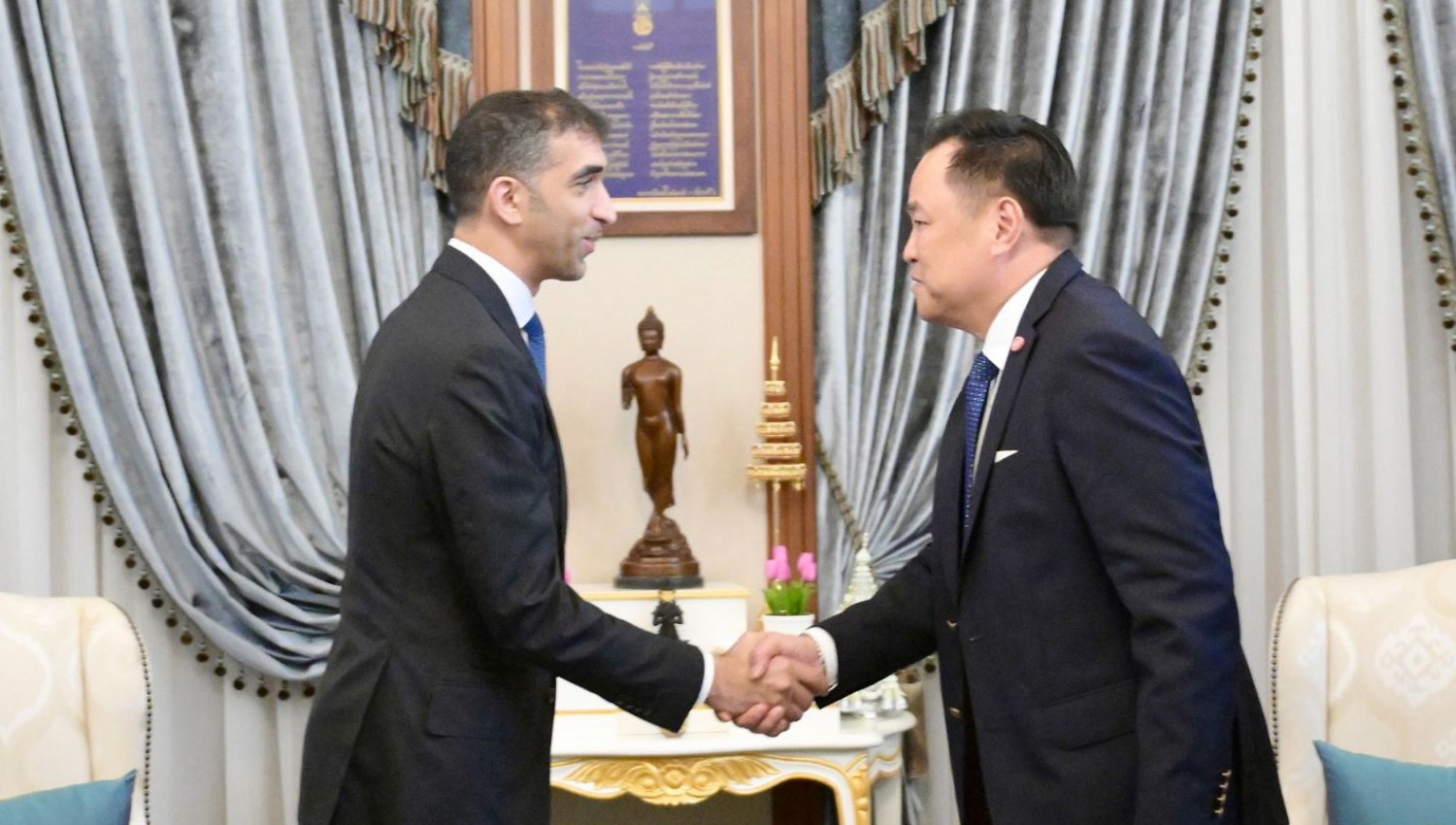

The UAE and Thailand have concluded talks on a Comprehensive Economic Partnership Agreement, a deal designed to cut trade barriers and deepen economic ties between the two countries. The agreement will be the UAE’s 38th Cepa once it is signed.
Negotiations began in 2023, the same year the two countries set up a joint business council. The talks closed in Bangkok, where Minister of Foreign Trade Dr Thani Al Zeyoudi met Thailand’s Prime Minister Anutin Charnvirakul. The Ministry of Foreign Trade announced the outcome in a statement on Thursday. Al Zeyoudi said the outcome reflected a shared commitment to building stronger economic bridges between South-East Asia and the Middle East. Both sides now need to complete the legal and technical steps required before the agreement can be signed and take effect.
Trade between the two economies has grown quickly even without a deal in place. Non-oil bilateral trade rose by more than 75 per cent year on year to $10.2 billion in the first half of 2026. For the whole of 2025, trade increased by more than 65 per cent to $12.3 billion. Gold, aluminium and other industrial goods make up the bulk of the UAE’s non-oil exports to Thailand. The two governments have named advanced manufacturing, logistics, food security, digital trade, renewable energy and precious metals as priority sectors for cooperation under the agreement.
Dr Al Zeyoudi said the deal would open new routes for companies and investors in both countries. “Thailand is one of the most dynamic and diversified economies in the region,” he said. The ministry said the trade figures reflect the growing integration of the two economies, and the minister said lower barriers, better market access and stronger investment flows would support long-term economic goals on both sides.
The Thai agreement adds another South-East Asian market to the UAE’s network of bilateral trade deals, which the government has been building since it launched its Cepa programme. Agreements of this type usually cut or remove tariffs on most goods traded between the partners and set rules for services and investment. The country aims to lift non-oil foreign trade to Dh4 trillion, or $1.1 trillion, by 2031, and each new partnership is intended to move it closer to that target. Exporters and investors in both countries will be watching for the signing date and for the final tariff schedules, which will show how quickly duties fall across the sectors the two governments have prioritised.