
Lebanese security forces have seized about half a tonne of explosives in three separate operations over several weeks, all of it bound for Beirut. The finds have caused public alarm and led Prime Minister Nawaf Salam to promise there will be “no leniency” in the investigation.
The most recent seizure came on Monday, when the Lebanese army said it had intercepted 200kg of explosives smuggled from Syria through the Hermel border area. The smugglers escaped back across the border. In an earlier operation, officials said about 250kg of TNT-type explosives and 250kg of C4 were found in a lorry stopped at an Internal Security Forces checkpoint at Dahr Al Baidar in the Bekaa Valley, on the main road from the Bekaa to the coast. Two men in the vehicle were detained, the explosives were handed to the army, and a military court is now leading the inquiry. A package of similar size was intercepted near the Syrian border two weeks before that, and a senior security source said seizures of this kind are not common.
Salam said in a post on X that he understood why people were anxious, noting that C4 had been used in several high-profile political assassinations in Lebanon. He pledged to identify everyone involved and anyone directing them, uncover their plans and bring them to justice. A senior government official said the investigation would continue until the end.
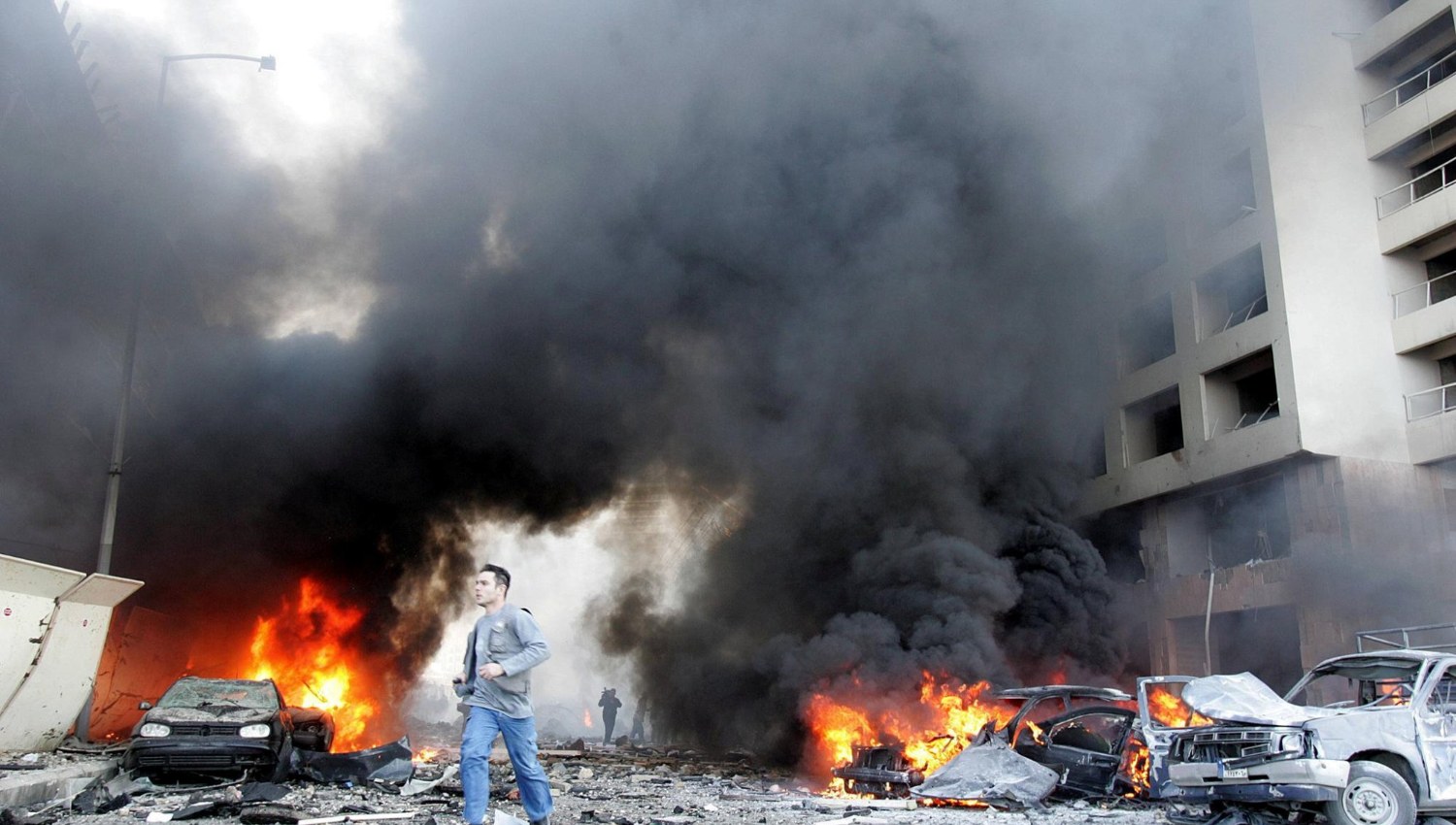
The seizures have revived memories of a period in the 2000s and early 2010s when several prominent opponents of the Assad government in Syria and of Hezbollah were killed or targeted with explosives. Former prime minister Rafic Hariri was killed in a lorry bomb in Beirut on 14 February 2005, along with 20 other people. The UN Special Tribunal for Lebanon later convicted Hezbollah members over that attack. Journalist and former minister May Chidiac survived an assassination attempt the same year.
Some people in Lebanon have linked the latest seizures to Hezbollah, though officials say the investigation is still under way and an official from the group declined to comment. Hezbollah faces strong pressure at home and abroad to disarm. The government banned its military wing earlier this year after it fired rockets at Israel during the regional Iran war, and has said it intends to bring all weapons under state control.